US Hiker Dies in Lightning Strike on Mount Etna Amid Heightened Volcanic Activity
A 30-year-old American hiker tragically died on Mount Etna, Europe’s most active volcano, after being struck by lightning during a sudden thunderstorm on Sunday. The individual, whose identity has not been released by authorities, was found in cardiac arrest by emergency services in a restricted area often frequented by those attempting to get closer to the summit.
Rescuers located the hiker around 8:00 PM local time and immediately transported them by helicopter to Cannizzaro Hospital in Catania. Despite rapid medical intervention, the hiker was pronounced dead upon arrival. The incident underscores the inherent dangers of the upper slopes of the volcano, particularly above the tree line where shelter is minimal and weather conditions can change dramatically.
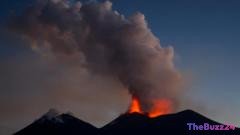
Mount Etna has experienced a series of recent eruptions, which, while creating spectacular displays, have also led to increased volcanic activity and hazardous conditions. These eruptions have drawn a significant number of tourists to the region, with approximately 1.5 million people visiting Etna annually. In response to the heightened activity, authorities have been limiting access to various areas of the mountain, including the more exposed upper reaches.
Italy’s civil protection agency has consistently warned about the perilous combination of volcanic activity and unpredictable weather shifts at higher altitudes. The recent eruptions have also caused considerable disruption to local air traffic, with ash clouds over eastern Sicily leading to hundreds of flight cancellations at Catania International Airport in the past week. An aviation alert for the area was only downgraded from its highest ‘red’ warning level to ‘orange’ on Saturday, just a day before the fatal incident.
Key Takeaways
- A 30-year-old US hiker died after being struck by lightning on Mount Etna during a thunderstorm.
- The incident occurred in a restricted area amidst increased volcanic activity and hazardous weather conditions on the volcano's upper slopes.
- Mount Etna's recent eruptions have attracted many tourists but also prompted authorities to limit access and caused significant air traffic disruptions at Catania International Airport.
Editor’s Analysis & Impact
This tragic incident on Mount Etna highlights the critical balance between promoting tourism to natural wonders and ensuring public safety. While volcanic activity can be a significant draw, it also presents inherent risks, especially when combined with unpredictable weather patterns. Authorities face the ongoing challenge of enforcing access restrictions and effectively communicating dangers to a diverse international visitor base. The event may prompt a review of current safety protocols and signage, particularly in areas prone to sudden weather changes or volcanic hazards. For the tourism industry in Sicily, it serves as a somber reminder of the need for robust safety measures and clear guidance for visitors exploring active geological sites, potentially impacting visitor numbers or insurance requirements for guided tours.
Frequently Asked Questions
Q: What caused the hiker's death on Mount Etna?
A: The hiker died after being struck by lightning during a thunderstorm while on Mount Etna.
Q: Is Mount Etna generally considered dangerous for tourists?
A: While Mount Etna is a popular tourist destination, its active volcanic nature combined with sudden and severe weather changes at higher altitudes makes certain areas hazardous. Authorities frequently restrict access to ensure visitor safety.
Q: How has recent volcanic activity impacted the region?
A: Recent eruptions have attracted many tourists but have also led to increased safety warnings, restricted access to parts of the volcano, and significant air traffic disruptions at Catania International Airport due to ash clouds.
AI Disclosure: This article is based on verified data and official reports. Our Team and AI have cross-referenced every financial detail with primary sources to ensure total accuracy.
More from this Category