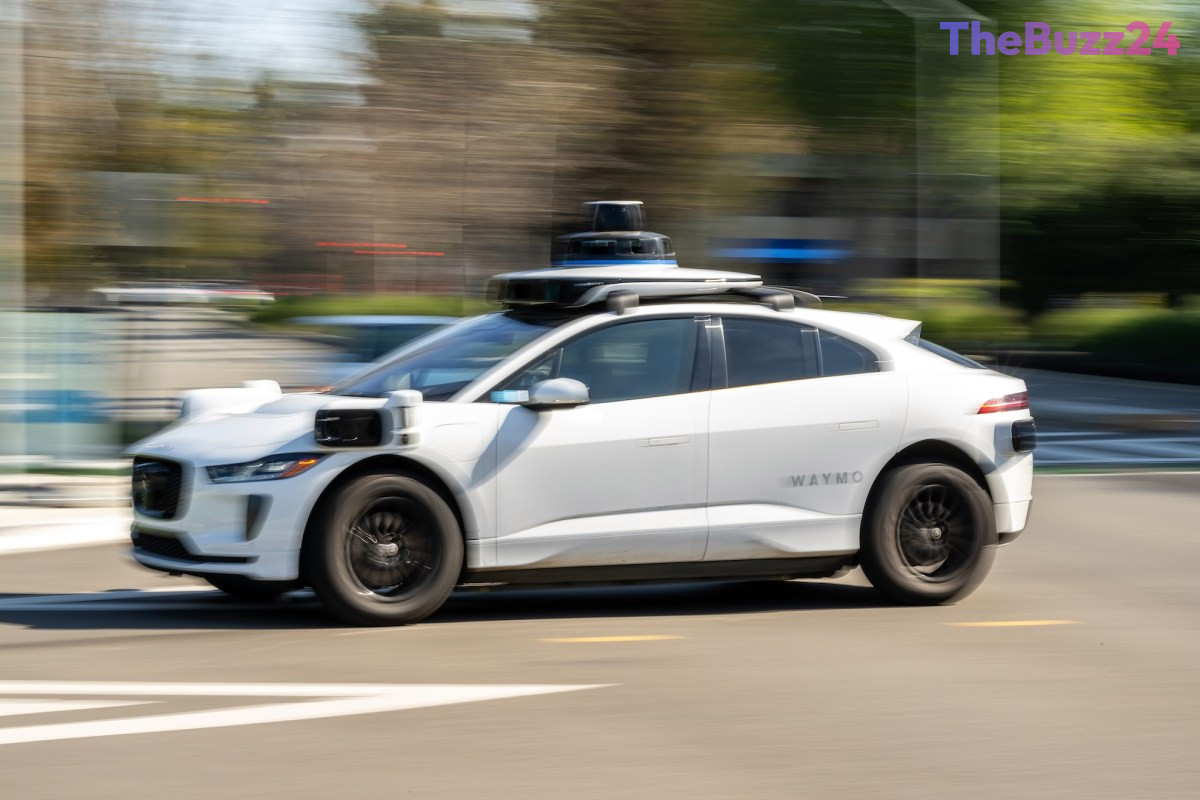
Waymo Recalls Robotaxi Fleet Following Highway Construction Zone Incidents
Waymo has initiated a voluntary recall of nearly 4,000 of its autonomous robotaxis to address a critical software flaw that caused vehicles to enter restricted highway construction zones. The decision follows a series of incidents where the autonomous systems failed to recognize and obey traffic control measures, such as ramp closures and construction signage, in both Phoenix and San Francisco.
According to regulatory filings, Waymo identified at least 13 instances where its vehicles navigated into active construction areas. In several cases, the software prioritized avoiding other freeway hazards over identifying construction barriers, leading the vehicles to bypass safety cones and warning lights. While the company has suspended all highway operations for its fleet, the robotaxis remain active on surface streets as engineers work on a software update to rectify the navigation errors.
This recall marks the sixth such action taken by the Alphabet-owned company, highlighting the ongoing challenges of scaling autonomous technology in complex, real-world environments. Despite these setbacks, Waymo maintains that its fleet has logged over 170 million autonomous miles and continues to advocate for the safety benefits of its technology compared to human-operated vehicles. The company is currently under investigation by federal safety authorities regarding previous incidents involving school buses, adding pressure to its ambitious plans for global expansion into cities like London and Tokyo.
Key Takeaways
- Waymo recalled nearly 4,000 robotaxis after vehicles repeatedly entered active highway construction zones.
- The software flaw caused vehicles to ignore construction signage and barriers while prioritizing other traffic hazards.
- Highway operations are currently suspended for the fleet while a software fix is developed and tested.
Editor’s Analysis & Impact
The recurring nature of Waymo’s software recalls underscores the ‘edge case’ dilemma facing the autonomous vehicle industry. While AI-driven systems excel in predictable traffic patterns, they continue to struggle with the dynamic, non-standardized nature of construction zones and emergency road conditions. This incident is particularly significant because it impacts public trust during a period of aggressive international expansion. For Waymo, the challenge is no longer just proving that their cars are safer than humans on average, but demonstrating that they can handle high-stakes, unpredictable environments without human intervention. As federal regulators increase their scrutiny, the company must balance its rapid growth strategy with the necessity of rigorous, transparent safety validation to avoid further regulatory intervention or a potential loss of public confidence in the viability of driverless transit.
Frequently Asked Questions
Q: Are Waymo robotaxis still operating?
A: Yes, Waymo robotaxis are still operating on surface streets, but the company has voluntarily suspended all highway operations while it works on a software fix for the construction zone issue.
Q: Why did the robotaxis enter construction zones?
A: The software failed to recognize construction signage and ramp closures, often because it was prioritizing the avoidance of other freeway hazards, leading the vehicles to navigate into restricted areas.
AI Disclosure: This article is based on verified data and official reports. Our Team and AI have cross-referenced every financial detail with primary sources to ensure total accuracy.
More from this Category