U.S. and Iran Sign Interim Peace Accord Amid Global Scrutiny
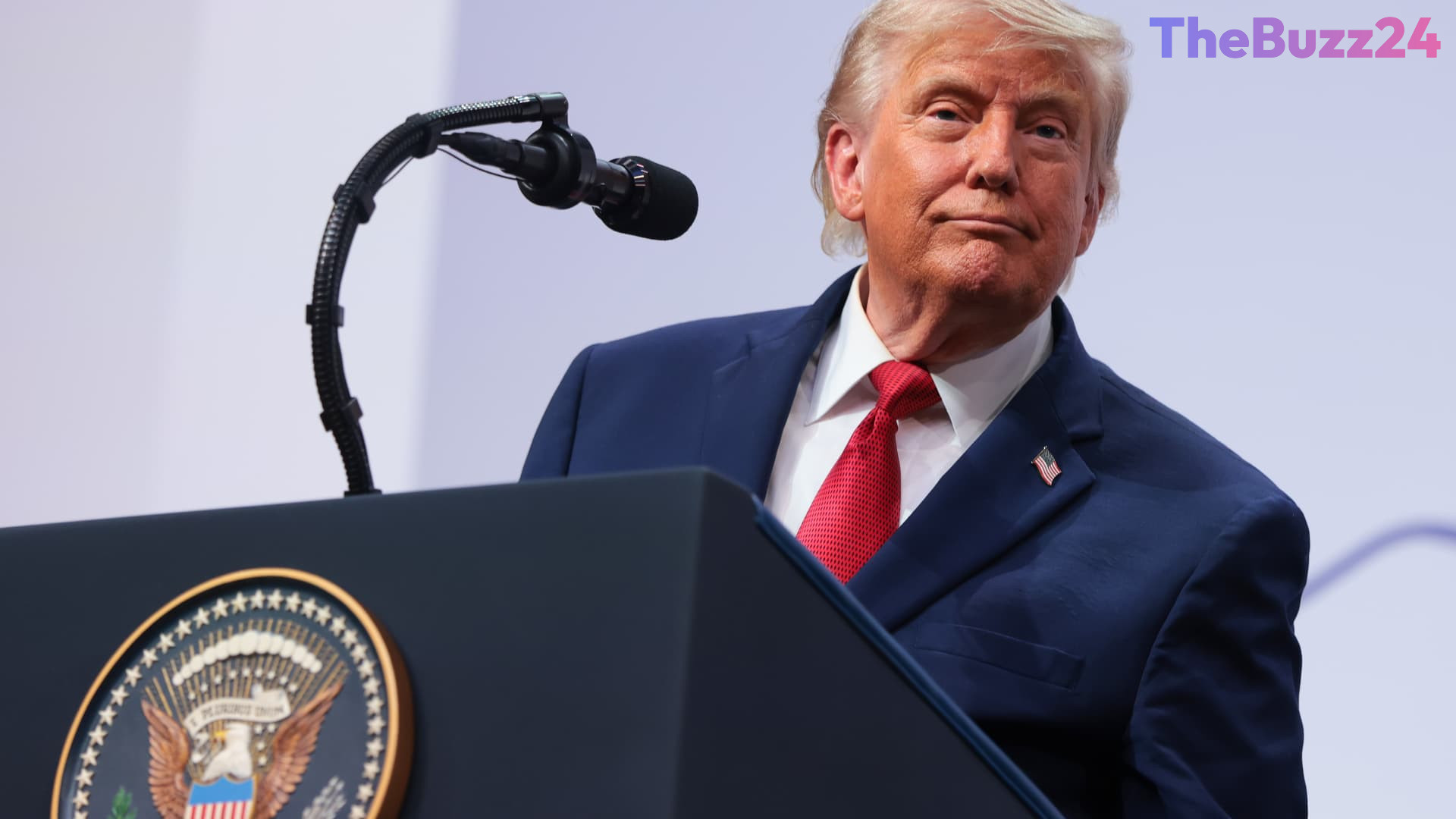
President Donald Trump has defended a new 14-point memorandum of understanding aimed at ending the ongoing conflict between the United States and Iran. The interim agreement, which includes a ceasefire and the reopening of the Strait of Hormuz, has sparked intense debate regarding the concessions made by the U.S. administration. Critics and energy analysts have suggested that the terms of the deal appear to favor Tehran, particularly given provisions that include a $300 billion reconstruction plan and the removal of various U.S. sanctions.
In response to mounting criticism, President Trump dismissed his detractors as ‘jealous’ or ‘stupid,’ emphasizing that the deal is intended to stabilize the region and lower global oil prices. The agreement mandates that both nations engage in further negotiations over the next 60 days to finalize a comprehensive framework. While the U.S. has maintained that Iran must not acquire nuclear weapons, the current memorandum notably allows for uranium enrichment, access to previously frozen funds, and the development of ballistic missiles—areas that were previously considered non-negotiable red lines.
Iranian leadership has characterized the agreement as a historic victory, with President Masoud Pezeshkian framing it as a path toward mutual respect and economic recovery. Meanwhile, geopolitical experts are closely monitoring the situation, noting that the conflict has demonstrated the ability of smaller powers to challenge larger military forces through drone technology. As the 60-day window for final negotiations begins, the deal faces significant opposition from various factions in Washington, Israel, and within Iran itself, leaving the long-term viability of the peace process uncertain.
Key Takeaways
- The U.S. and Iran have signed a 14-point interim peace agreement that includes a ceasefire and the reopening of the Strait of Hormuz.
- The deal involves significant U.S. concessions, including a $300 billion reconstruction plan and the lifting of sanctions, while allowing Iran to continue uranium enrichment and ballistic missile development.
- Geopolitical analysts warn that the agreement faces strong opposition from multiple international stakeholders, making its long-term success uncertain.
Editor’s Analysis & Impact
The interim agreement between the U.S. and Iran represents a significant pivot in Middle Eastern foreign policy, signaling a move toward de-escalation that carries profound economic and geopolitical implications. By prioritizing the stabilization of oil markets and the reopening of critical maritime trade routes, the administration is betting that economic incentives can curb regional volatility. However, the concessions regarding nuclear enrichment and ballistic missile programs risk alienating key regional allies and domestic hardliners. From a market perspective, the potential for sustained lower oil prices could provide a tailwind for global equities, yet the fragility of the agreement suggests that energy markets will remain sensitive to any breakdown in the upcoming 60-day negotiation period. The long-term outlook remains clouded by the deep-seated mistrust between the two nations and the influence of regional actors opposed to the thaw.
Frequently Asked Questions
Q: What are the primary components of the U.S.-Iran interim agreement?
A: The 14-point memorandum includes a ceasefire, the reopening of the Strait of Hormuz for commercial shipping, a $300 billion reconstruction plan for Iran, and the removal of various U.S. sanctions.
Q: Why is the agreement facing criticism?
A: Critics argue that the deal grants too many concessions to Iran, specifically regarding the relaxation of red lines on uranium enrichment, ballistic missile development, and the release of frozen funds, which some believe strengthens Tehran's regional influence.
AI Disclosure: This article is based on verified data and official reports. Our Team and AI have cross-referenced every financial detail with primary sources to ensure total accuracy.
More from this Category