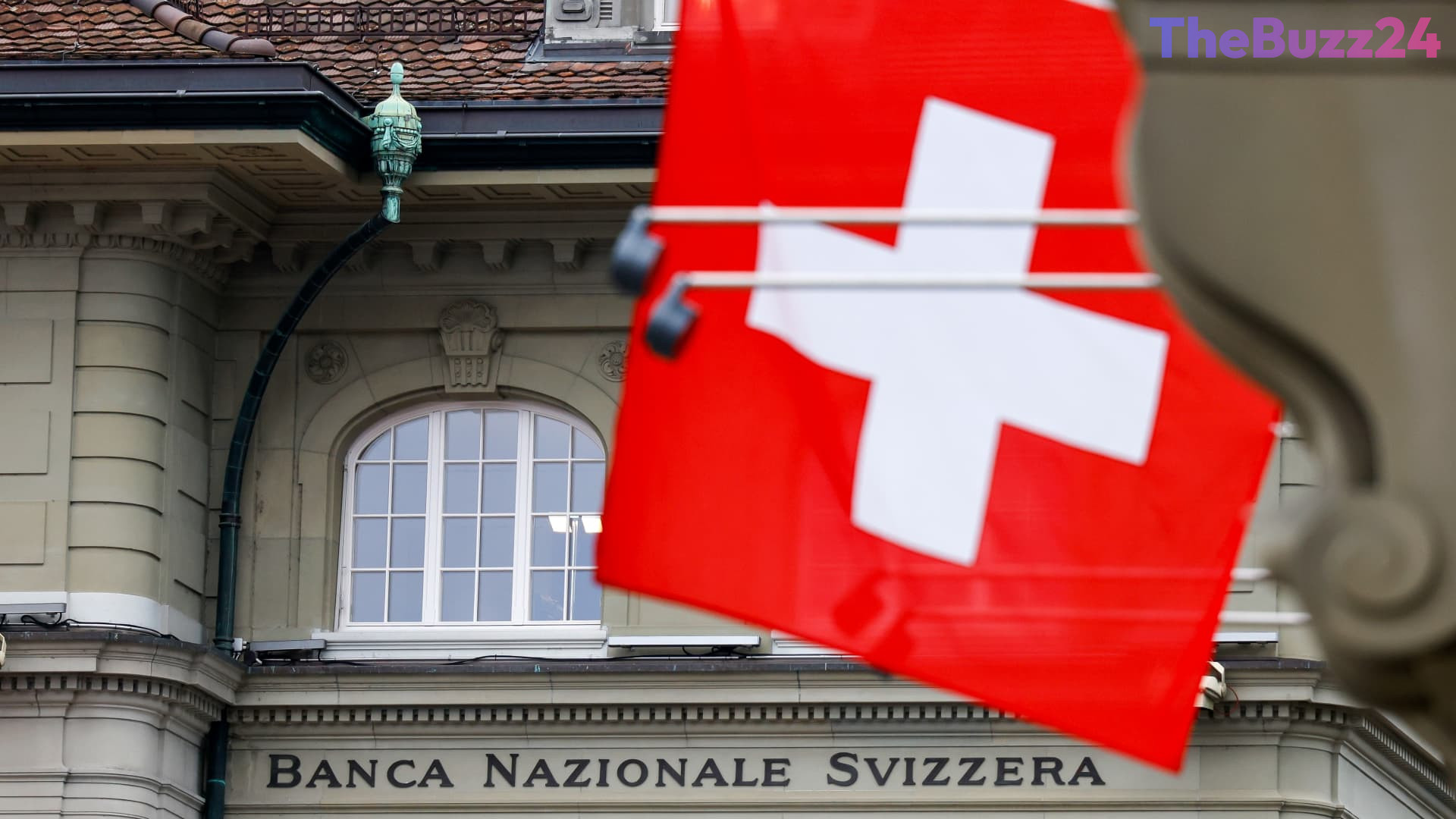
Swiss National Bank Signals Readiness to Intervene as Franc Volatility Looms
The Swiss National Bank (SNB) has reaffirmed its commitment to maintaining economic stability, signaling a heightened readiness to intervene in foreign exchange markets should the Swiss franc experience rapid and excessive appreciation. While the central bank opted to keep its main policy rate steady at 0% during its latest meeting, officials emphasized that the ongoing geopolitical instability in the Middle East continues to pose a significant risk to the currency’s valuation.
SNB Governing Board Chairman Martin Schlegel noted that while the initial surge in demand for the franc as a safe-haven asset has moderated, the potential for renewed volatility remains high. The central bank is carefully balancing the need to manage inflationary pressures—which have seen a slight uptick due to rising energy costs—against the risk that an overly strong franc could undermine the nation’s price stability and export competitiveness.
Despite the challenging global macro environment, including uncertainty surrounding U.S. trade policies and shifting interest rate differentials with other major economies, the Swiss economy has demonstrated notable resilience. The SNB projects modest growth for the coming years but maintains that it will remain vigilant, adjusting its monetary policy as necessary to ensure that financial conditions remain appropriate for the domestic economy.
This stance puts the SNB in a delicate position, particularly regarding its relationship with the United States. Previous currency strategies employed by the bank have drawn scrutiny from Washington, leading to trade tensions and tariff disputes. As the central bank navigates these external pressures, its primary focus remains on preventing currency shocks that could jeopardize Switzerland’s long-term economic outlook.
Key Takeaways
- The Swiss National Bank has maintained its benchmark interest rate at 0% while signaling increased readiness to intervene in currency markets to prevent excessive franc appreciation.
- Geopolitical tensions in the Middle East and global trade uncertainty remain the primary drivers of potential volatility for the Swiss franc.
- The SNB faces a complex balancing act, as aggressive currency intervention risks further trade friction with the United States.
Editor’s Analysis & Impact
The Swiss National Bank’s current policy reflects the classic dilemma of a small, open economy operating a safe-haven currency in a volatile global landscape. By keeping rates at 0% while other major central banks consider hikes, the SNB is intentionally widening interest rate differentials to discourage capital inflows that drive up the franc. However, this strategy is increasingly constrained by the threat of U.S. protectionism. If the SNB intervenes heavily to weaken the franc, it risks being labeled a currency manipulator by the U.S. Treasury, potentially triggering further tariffs. Moving forward, the SNB will likely favor ‘verbal intervention’ and surgical market actions rather than broad-based currency suppression to avoid escalating trade tensions while simultaneously protecting domestic price stability from imported inflation.
Frequently Asked Questions
Q: Why does the Swiss National Bank intervene in the foreign exchange market?
A: The SNB intervenes to prevent the Swiss franc from becoming too strong, which can hurt the country's export-driven economy and threaten price stability.
Q: How does the Middle East conflict affect the Swiss franc?
A: During times of geopolitical uncertainty, investors often flock to the Swiss franc as a 'safe-haven' asset, driving up its value and creating pressure for the central bank to manage that appreciation.
AI Disclosure: This article is based on verified data and official reports. Our Team and AI have cross-referenced every financial detail with primary sources to ensure total accuracy.
More from this Category