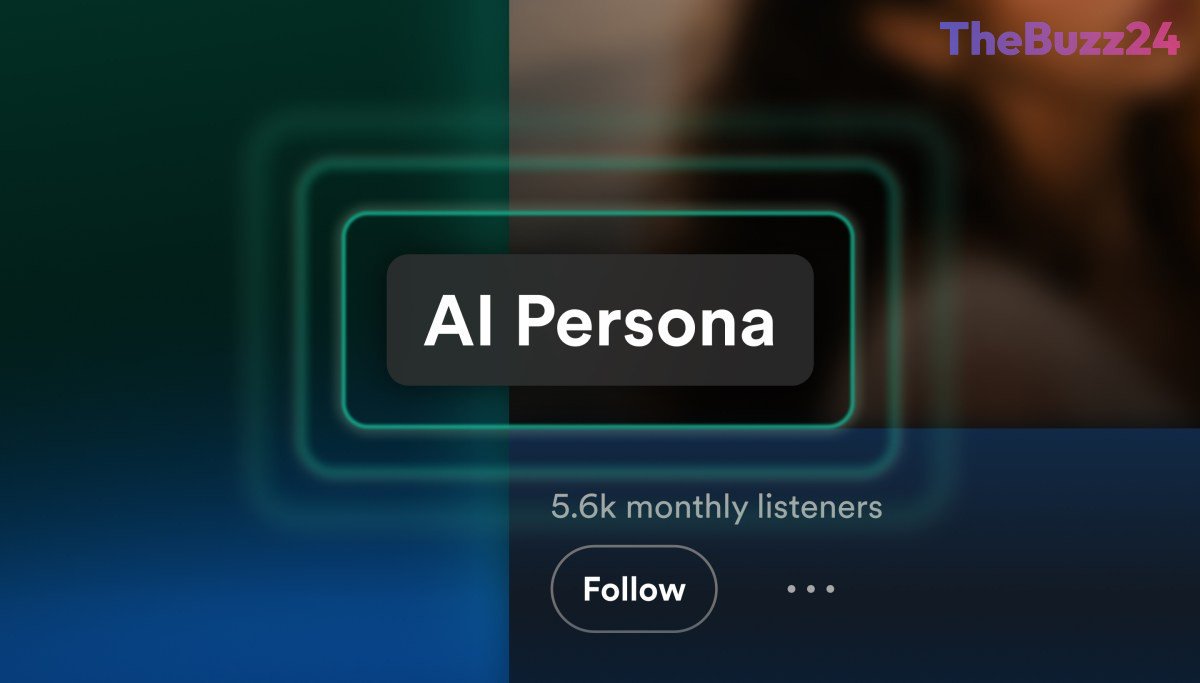
Spotify Introduces ‘AI Persona’ Labels and Blocks Automated Artists from Recommendations
In an effort to manage the massive influx of automated content, streaming giant Spotify has unveiled a new policy targeting artificial intelligence. The platform will begin applying “AI Persona” badges to artist profiles that represent non-human identities, while simultaneously excluding their tracks from major recommendation engines and editorial playlists to protect the listener experience.
Beginning in mid-September, these distinctive badges will be displayed prominently across artist banners, biographical sections, search results, and track listings. While creators will have the opportunity to voluntarily self-disclose their artificial origins starting in August 2026, Spotify will also conduct proactive internal reviews. The platform will prioritize popular accounts that cross specific audience thresholds, utilizing advanced detection methods to identify photorealistic AI-generated imagery and fictitious personas.
Under the updated guidelines, music produced by these AI Personas will be excluded from personalized playlists, algorithmic suggestions, and editorial curation by default. Listeners will only encounter this material in their personalized feeds if they explicitly choose to follow the AI profile. Spotify has clarified that the new label strictly concerns the public identity of the creator rather than the technological tools used to produce the audio, separating the persona debate from broader innovations like AI-powered DJ features and licensed remixes.
Furthermore, the platform plans to introduce a community reporting tool to help flag unlabeled automated profiles in the near future. Creators who believe their accounts have been misidentified will have access to an official appeals process. This initiative represents a significant step by major streaming services to distinguish authentic career musicians from mass-produced digital content, mitigating consumer fatigue and preserving the integrity of music discovery.
Key Takeaways
- Spotify is rolling out 'AI Persona' badges to clearly identify profiles that do not represent real human artists.
- Music from AI Personas will be excluded from editorial and algorithmic recommendations by default unless users explicitly follow the profile.
- The policy focuses strictly on the artist's public identity rather than the audio production techniques used to create the music.
Editor’s Analysis & Impact
Spotify’s introduction of the ‘AI Persona’ label marks a crucial turning point for the digital streaming economy. As generative technology lowers the barrier to entry, platforms are increasingly threatened by low-quality, mass-produced audio ‘slop’ that dilutes the listening experience and strains royalty distribution models. By walling off AI personas from algorithmic and editorial promotion, Spotify is actively protecting user engagement while preserving a space for human career artists. This move strikes a delicate balance: it accommodates the commercial realities of AI innovation and licensing deals—such as forthcoming fan-made remixes—while imposing necessary guardrails against identity deception. In the broader industry landscape, other streaming services and content platforms are likely to adopt similar transparency frameworks to combat consumer fatigue and maintain trust.
Frequently Asked Questions
Q: What is an 'AI Persona' on Spotify?
A: An AI Persona is a profile on Spotify where the artist's identity is determined to be artificial or generated by AI, rather than representing a real human being.
Q: Will AI Persona music still appear in my daily recommendations?
A: By default, no. Spotify excludes AI Personas from algorithmic and editorial recommendations unless you explicitly choose to follow the specific AI artist.
Q: Can artists appeal if their profile is incorrectly labeled?
A: Yes, Spotify has confirmed that creators will have access to an appeals process if they believe an AI Persona label has been mistakenly applied to their account.
AI Disclosure: This article is based on verified data and official reports. Our Team and AI have cross-referenced every financial detail with primary sources to ensure total accuracy.
More from this Category