Snap’s Strategic AI Spinoff: Dotmo Emerges to Tackle High Development Costs in Interactive Gaming
Snap has announced the strategic spin-off of its internal generative AI video team into a new, independent company named Dotmo. This move is primarily driven by the substantial costs associated with developing advanced AI technology within the parent company’s structure.
Dotmo’s core mission will be to innovate in the realm of AI models capable of creating immersive and interactive gaming experiences. While operating as a distinct entity, Dotmo will maintain close ties with Snap. The new venture will benefit from a license to adapt Snap’s existing technology for gaming and interactive entertainment platforms. Furthermore, the initial Dotmo team will be comprised of current Snap staff members transitioning to launch this new enterprise.
Financially, Dotmo will not be directly funded by Snap. However, Bobby Murphy, Snap’s Chief Technology Officer, will serve as a lead investor, holding a significant personal stake in the new firm. Murphy will continue his full-time role as Snap’s CTO, overseeing its broader GenAI research and development initiatives. In return for the talent and technology license, Snap will secure a substantial equity stake in Dotmo, positioning itself to benefit from the new company’s potential future success, with Dotmo also expected to seek external funding down the line.
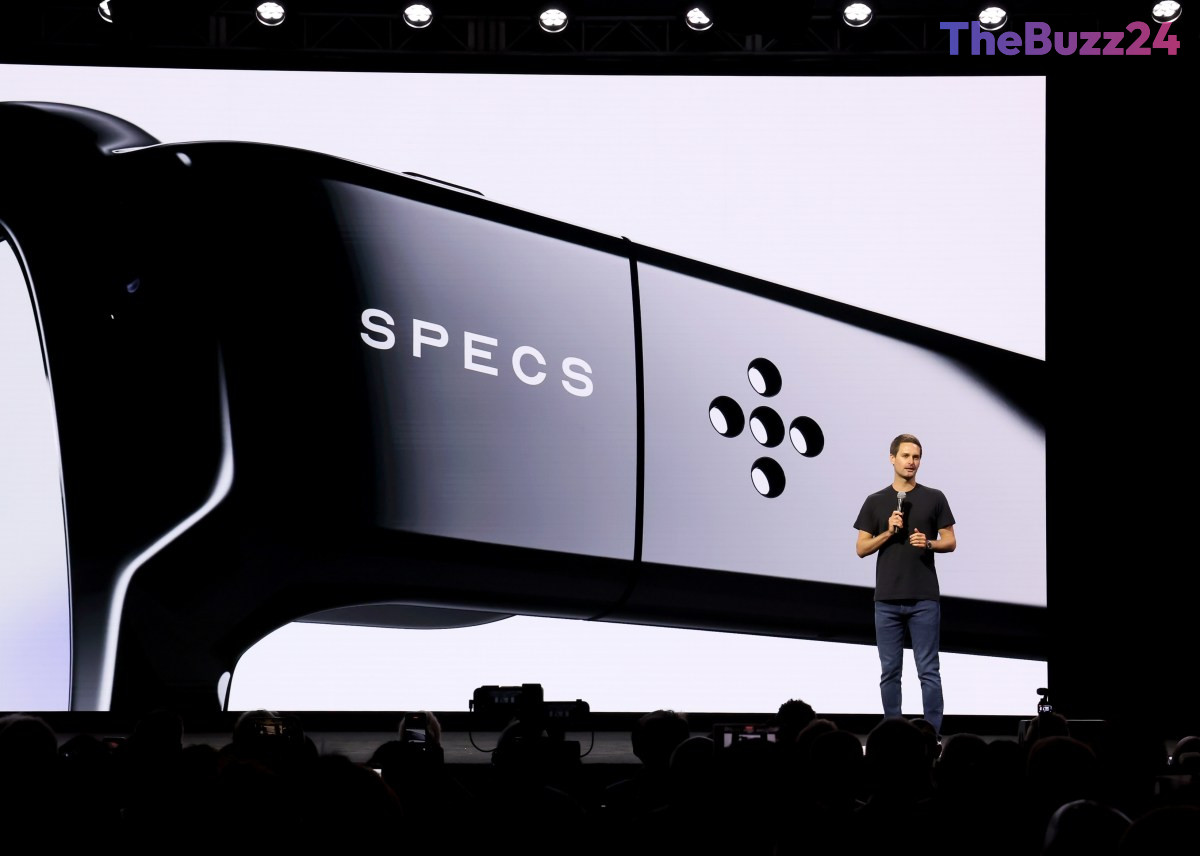
This marks Snap’s second significant spin-off effort this year, following the earlier separation of Specs to focus exclusively on smart glasses development. Unlike Specs, Dotmo represents a different kind of strategic move, concentrating on digital experiences that currently fall outside Snap’s core business priorities. Spin-offs like Dotmo can serve as a potent cost-saving strategy, while also offering operational flexibility, attracting focused investor attention, and allowing the parent company to maintain exposure to high-potential ventures without bearing the full financial burden of their development.
Key Takeaways
- Snap has spun off its generative AI video team into a new company, Dotmo, primarily to manage high internal development costs.
- Dotmo will focus on creating AI models for interactive gaming experiences, operating independently but with close ties to Snap through a technology license and initial staffing from former Snap employees.
- Snap's CTO, Bobby Murphy, is a lead personal investor in Dotmo, and Snap retains a significant equity stake, aiming to benefit from Dotmo's potential success without bearing all development expenses.
Editor’s Analysis & Impact
Snap’s decision to spin off its AI video team into Dotmo reflects a growing trend among tech giants to externalize high-cost, speculative R&D. This strategy allows Snap to mitigate the financial burden of cutting-edge AI development while retaining a significant equity stake, thus maintaining exposure to potential upside. For the broader industry, it signals the immense capital requirements for advanced AI and the increasing adoption of agile corporate structures to foster innovation. Dotmo’s focus on interactive gaming AI positions it in a rapidly expanding market, potentially attracting specialized investment and talent. This move could serve as a blueprint for other companies looking to explore nascent technologies without fully integrating them into their core operations, balancing risk and reward in a dynamic technological landscape.
Frequently Asked Questions
Q: Why did Snap spin off its AI video team?
A: Snap cited the high costs associated with developing advanced generative AI video technology internally as the primary reason for creating Dotmo as a separate entity.
Q: What will Dotmo focus on?
A: Dotmo will concentrate on developing AI models specifically designed to create interactive gaming experiences.
Q: How is Snap still involved with Dotmo?
A: Snap will provide Dotmo with a license to adapt its technology, and the initial team will consist of former Snap staff. Additionally, Snap's CTO, Bobby Murphy, is a lead personal investor, and Snap itself holds a significant equity stake in the new company.
AI Disclosure: This article is based on verified data and official reports. Our Team and AI have cross-referenced every financial detail with primary sources to ensure total accuracy.
More from this Category