Fatal Central Park Carriage Accident Reignites Calls for Industry Ban
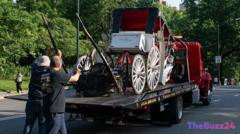
A tragic incident in Central Park has led to the death of a young tourist from India, intensifying the long-standing debate over the safety and ethics of horse-drawn carriages in New York City. The teenager was among four passengers in a carriage when the driver reportedly left the vehicle to photograph the group. The horse subsequently bolted, colliding with another carriage before overturning.
The critically injured young man was transported to a hospital where he was pronounced dead. The three other passengers in the carriage did not require medical treatment. Following the accident, Alexander Kemp, a vice president of the Transport Workers Union Local 100, expressed strong disapproval, stating that a driver should never leave a carriage unattended. He emphasized the need for a thorough investigation into the circumstances of the incident.
This fatality comes just a week after another horse, named Deniz, died in Central Park, with initial autopsy results suggesting it consumed a toxic plant. These recent events have amplified calls from animal rights activists and city officials to phase out the horse-drawn carriage industry. New York Mayor Zohran Mamdani has previously voiced support for removing carriages from the park, a sentiment echoed by City Council members.
Council member Shahana Hanif highlighted that these incidents serve as “heartbreaking reminders that horse-drawn carriages are unsafe for both horses and people.” She, along with Council member Harvey Epstein, urged the passage of Ryder’s Law, proposed legislation that would cease the issuance of new carriage licenses and gradually phase out the rides over two years. Both officials underscored the industry’s inherent risks to public safety and animal welfare, asserting that New York City must address these recurring tragedies.
Key Takeaways
- A tourist from India died in Central Park after a horse-drawn carriage accident, where the horse bolted after the driver reportedly left the vehicle.
- The incident has intensified calls from city officials and activists for a ban on horse-drawn carriages, citing safety concerns for both people and animals.
- Proposed legislation, Ryder's Law, which aims to phase out carriage licenses over two years, is gaining renewed attention following this fatality and a recent horse death.
Editor’s Analysis & Impact
The tragic death in Central Park places immense pressure on New York City’s horse-drawn carriage industry, an attraction that has long been a point of contention. This incident, coupled with a recent horse death, will likely accelerate legislative efforts, particularly the push for Ryder’s Law, which seeks to phase out the industry. The market impact could be significant, potentially leading to the eventual dissolution of this historic but increasingly scrutinized sector, affecting operators, drivers, and related tourism businesses. Broader implications extend to other cities with similar attractions, potentially prompting reviews of safety protocols and animal welfare standards. This event underscores the ongoing tension between preserving traditional tourism experiences and upholding modern safety and ethical considerations, demanding a decisive response from city leadership.
Frequently Asked Questions
Q: What caused the fatal horse-drawn carriage accident in Central Park?
A: The accident occurred when a horse pulling a carriage bolted after its driver reportedly stepped away from the vehicle to take a picture of the passengers. The carriage then collided with another and overturned, resulting in the death of one passenger.
Q: What is Ryder's Law and how does it relate to this incident?
A: Ryder's Law is proposed legislation in New York City that aims to phase out horse-drawn carriages over a two-year period by stopping the issuance of new carriage licenses. This law is gaining renewed attention from city officials and activists who believe such incidents highlight the need to end the industry.
Q: Why are horse-drawn carriages controversial in New York City?
A: Horse-drawn carriages have faced long-standing criticism from animal rights activists and some public officials who argue they pose significant safety risks to both horses and people, citing concerns about animal welfare, traffic hazards, and the potential for serious accidents in a busy urban environment.
AI Disclosure: This article is based on verified data and official reports. Our Team and AI have cross-referenced every financial detail with primary sources to ensure total accuracy.
More from this Category