Skywatchers Prepare for Rare Total Solar Eclipse Overlapping with Peak Perseid Meteor Shower
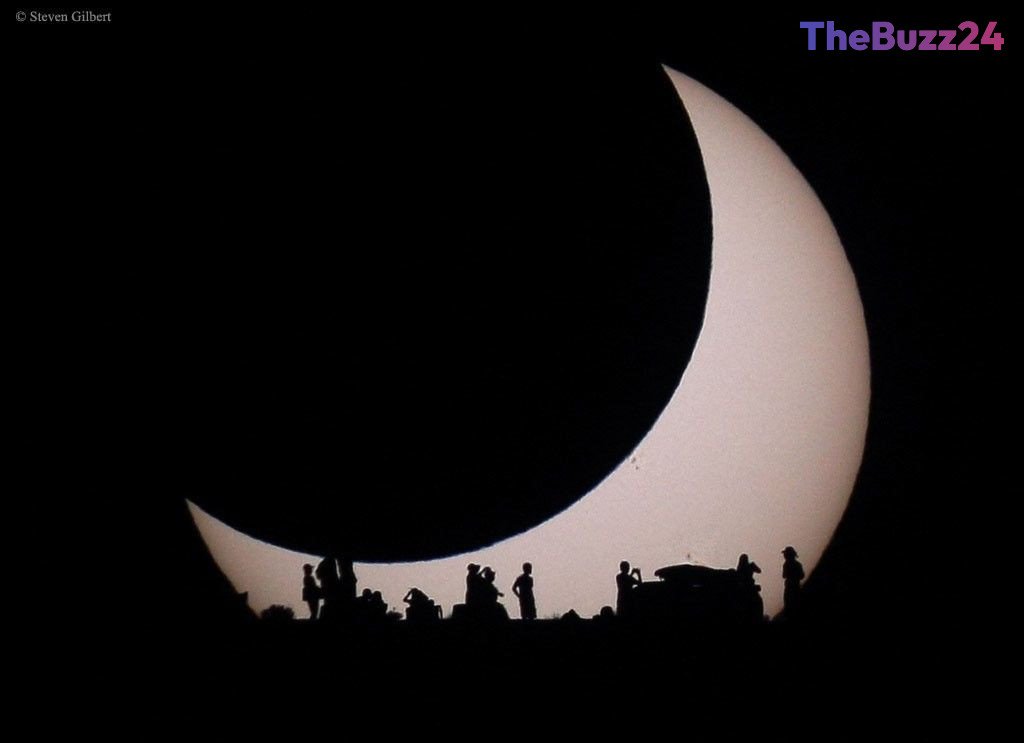
Astronomy enthusiasts around the globe are looking to the skies as a major solar eclipse approaches, promising breathtaking views across multiple continents. Observers positioned throughout northeastern North America, Europe, and northwestern Africa will be treated to a partial eclipse, while a narrow track extending from Greenland down to Portugal will witness the awe-inspiring phenomenon of a total solar eclipse. The event serves as a reminder of humanity’s long-standing fascination with our home star, echoing past public gatherings such as a notable assembly at Glen Canyon National Recreation Area in Arizona, where crowds gathered to witness solar alignment and sunspot activity.
What makes this upcoming celestial event particularly unique is its timing alongside the peak of the annual Perseid meteor shower. As the Moon moves directly in front of the Sun along the path of totality, the sudden daytime darkness may create a rare visual opportunity. Stargazers and scientists are eager to see whether bright meteors from the Perseid stream will streak through the darkened daytime sky during the minutes of totality.
Solar eclipses offer both seasoned astronomers and casual observers a chance to study atmospheric shifts and inspect solar features, such as sunspots and coronal flares, that are normally obscured by the Sun’s intense glare. Communities along the central eclipse path are making preparations for influxes of skywatchers, highlighting the continued power of astronomical events to inspire public interest and scientific collaboration.
Key Takeaways
- An upcoming solar eclipse will be visible across North America, Europe, and Africa, with total eclipse visible along a path from Greenland to Portugal.
- The solar event coincides with the peak of the annual Perseid meteor shower, creating a potential double phenomenon during totality.
- Skywatchers and researchers are preparing to observe both solar phenomena and potential daytime meteor sightings during the period of darkness.
Editor’s Analysis & Impact
The rare overlap between a total solar eclipse and the peak of the Perseid meteor shower represents a extraordinary convergence for both research and astrotourism. Total eclipses remain vital opportunities to examine the solar corona and upper atmospheric responses to sudden radiation loss. The added potential of observing fireballs from the Perseids during daytime totality provides a unique spectacle for photographers and valuable atmospheric tracking data for researchers. Historically, major eclipse paths draw significant temporary economic boosts to regional hospitality and travel sectors along the path of totality, particularly in accessible destinations like Portugal. As public fascination with astronomical events continues to grow, clear communication regarding safe solar viewing practices will be essential for local authorities managing incoming crowds.
Frequently Asked Questions
Q: Where will the total solar eclipse be visible?
A: The path of totality will trace a narrow corridor stretching from Greenland to Portugal, while surrounding regions in North America, Europe, and Africa will see a partial eclipse.
Q: Is it possible to see meteors during a total solar eclipse?
A: Yes, during the brief minutes of totality when the Moon fully blocks the Sun, the sky darkens significantly, allowing bright planets, stars, and exceptionally bright meteors like Perseid fireballs to become visible.
Q: How can people safely view a solar eclipse?
A: Viewers must use ISO-certified eclipse glasses or designated solar filters for optics when looking directly at the Sun. Standard sunglasses do not offer adequate protection against severe eye damage.
AI Disclosure: This article is based on verified data and official reports. Our Team and AI have cross-referenced every financial detail with primary sources to ensure total accuracy.
More from this Category