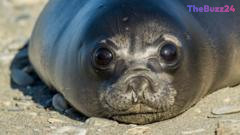
Devastating H5N1 Outbreak Decimates Seal Pup Population on Remote Australian Territory
A catastrophic outbreak of the H5N1 bird flu strain has claimed the lives of over 13,000 southern elephant seal pups on Heard Island, a remote Australian territory located in the southern Indian Ocean. Recent research indicates that this figure represents more than 75% of the island’s pup population, with some specific areas reporting mortality rates as high as 97%. The virus, which has been spreading globally among avian populations and select mammal species, was first detected on the island following reports of mass seal deaths late last year.
Data collected through drone surveys and ground-level research confirmed that the virus has impacted six different species across the Heard and McDonald Islands, including king and gentoo penguins, Antarctic fur seals, and the South George diving petrel. While the impact on the seal population has been particularly severe, researchers also noted elevated mortality levels among adult king penguins, though the overall impact on that species remains lower than that of the elephant seals.
Scientists believe the virus was likely introduced to the region last August by migratory birds traveling from the French-owned Crozet Islands. This marks the first detection of H5N1 within an Australian external territory, signaling a concerning eastward progression of the pathogen across the sub-Antarctic. While the Australian mainland remains free of the H5N1 strain, government officials have emphasized the need for heightened vigilance and robust contingency planning to prevent a potential incursion into the country’s domestic wildlife populations.
Key Takeaways
- The H5N1 bird flu strain has killed over 13,000 southern elephant seal pups on Heard Island, accounting for more than 75% of the local population.
- Six different species, including penguins and fur seals, have tested positive for the virus in the Australian sub-Antarctic territory.
- Australian authorities are intensifying monitoring efforts as the virus continues its eastward spread, despite the mainland currently remaining free of the strain.
Editor’s Analysis & Impact
The rapid spread of H5N1 into remote sub-Antarctic territories represents a significant escalation in the global ecological threat posed by the virus. The high mortality rate among elephant seal pups suggests that the virus is highly virulent in isolated, dense wildlife colonies, which could have long-term consequences for the biodiversity and population stability of these fragile ecosystems. From a broader perspective, this event serves as a critical warning for biosecurity agencies worldwide. As the virus continues to traverse the globe, the potential for it to jump to the Australian mainland necessitates a shift from reactive observation to proactive, large-scale containment and surveillance strategies. The economic and environmental implications of a potential outbreak in domestic livestock or protected mainland species remain a primary concern for policymakers and conservationists alike.
Frequently Asked Questions
Q: How was the H5N1 virus likely introduced to Heard Island?
A: Researchers believe the virus was introduced in August by migratory birds traveling from the French-owned Crozet Islands, located approximately 1,800 kilometers away.
Q: Is the Australian mainland currently affected by this H5N1 outbreak?
A: No, Australia is currently the only continent with no reported cases of the H5N1 strain on its mainland, though officials are actively planning for the possibility of an incursion.
AI Disclosure: This article is based on verified data and official reports. Our Team and AI have cross-referenced every financial detail with primary sources to ensure total accuracy.
More from this Category