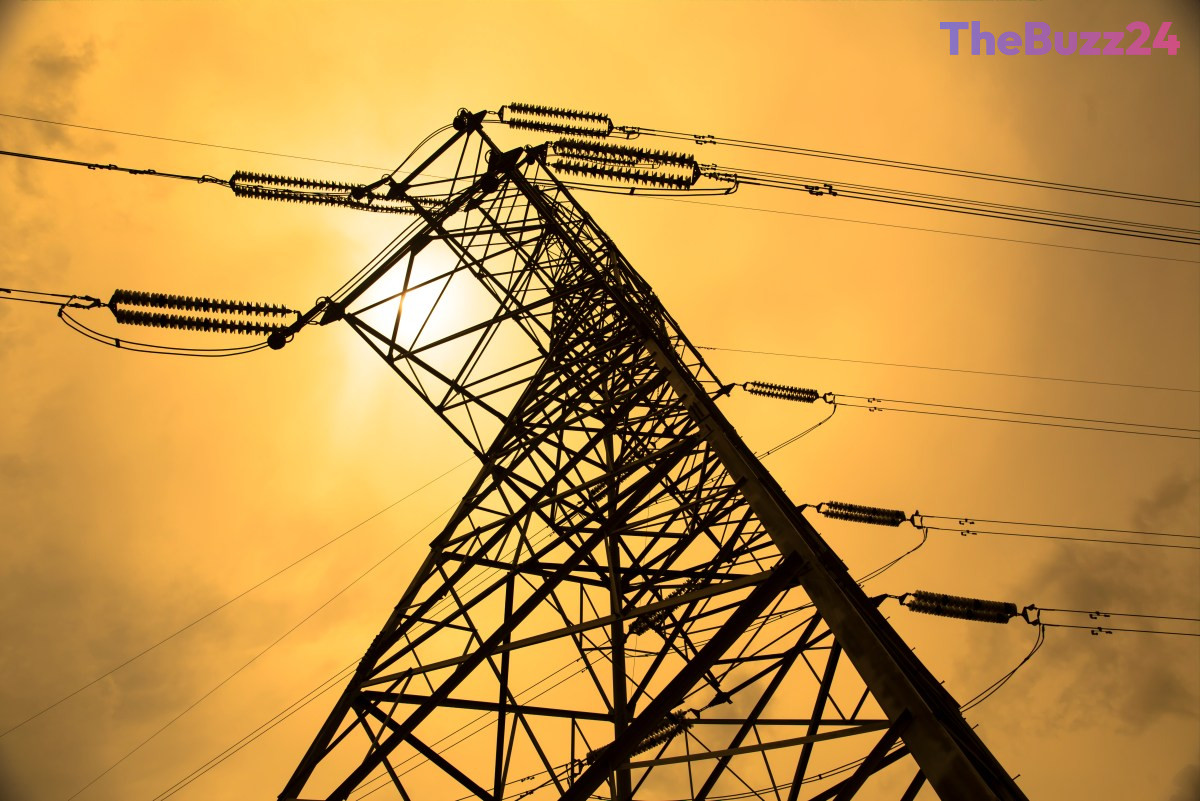
FERC Mandates Fast-Track Grid Connections for AI Data Centers Amid Soaring Demand
The Federal Energy Regulatory Commission (FERC) has issued a significant directive, instructing grid operators across the nation to prioritize and expedite interconnection requests from data centers and other substantial electricity consumers. This unanimous decision aims to ensure that these critical facilities, particularly those fueling the burgeoning artificial intelligence sector, can connect to the transmission system in a timely and organized manner, with data centers bearing the associated interconnection costs.
This mandate arrives as the U.S. grapples with an unprecedented surge in electricity demand, largely driven by the rapid expansion of AI and data processing infrastructure. Grid operators, accustomed to decades of minimal demand growth, are now facing immense pressure, with some, like PJM, the country’s largest grid operator, experiencing significant operational strain. Projections indicate that electricity demand from data centers alone could nearly triple by 2035, exacerbating an already challenging situation where new power plant connection requests far exceed the existing grid’s capacity.
To further support grid modernization and efficiency, FERC also encouraged operators to explore and integrate alternative transmission technologies. While specific innovations were not named, this directive opens the door for advanced solutions such as solid-state transformers or superconducting transmission lines. Additionally, grid operators are now required to submit reports on their spare generating capacity within 30 days and review electricity rates within 60 days, alongside being more accommodating to behind-the-meter power solutions for data centers. This comprehensive approach was prompted by concerns from Secretary of Energy Chris Wright, who highlighted that delays in grid connections could undermine U.S. competitiveness in the global AI landscape.
While FERC’s actions provide a crucial “fast lane” for data centers, the underlying issue of a national shortage in generating capacity remains unaddressed. The intense demand has already led to significant increases in wholesale electricity rates in many regions, with some areas seeing jumps of up to 267% compared to five years ago. This underscores the complex energy challenges facing the nation as it strives to power its technological future.
Key Takeaways
- FERC has mandated grid operators to fast-track interconnection requests for data centers, especially those supporting AI, to ensure timely and orderly integration.
- The directive addresses soaring electricity demand from data centers, which is projected to nearly triple by 2035, straining existing grid infrastructure and leading to significant connection backlogs.
- Grid operators are also encouraged to consider alternative transmission technologies and accommodate behind-the-meter power, though the core issue of generating capacity shortage remains a challenge.
Editor’s Analysis & Impact
This FERC directive marks a pivotal moment for the energy and technology sectors, signaling a proactive governmental stance on powering the AI revolution. By prioritizing data center connections, the U.S. aims to bolster its competitive edge in AI development, but this move also highlights the immense strain on aging grid infrastructure. The immediate impact will likely be increased investment in transmission upgrades and potentially faster deployment of AI-related facilities. However, the unaddressed shortage of generating capacity suggests that electricity prices could continue to rise, prompting further innovation in energy efficiency and distributed generation. This policy could accelerate the adoption of advanced grid technologies and incentivize new power plant development, shaping a more resilient, albeit more expensive, energy future for high-demand industries.
Frequently Asked Questions
Q: What is the main purpose of FERC's new directive?
A: The directive aims to expedite the connection of data centers and other large electricity users, particularly those supporting AI, to the national grid, ensuring timely and orderly integration to maintain U.S. competitiveness in the AI sector.
Q: How will data centers be affected by these new rules?
A: Data centers will benefit from a fast-tracked process for grid interconnection, potentially reducing delays in their operational setup. However, they will be responsible for covering the costs associated with these interconnections.
Q: Does this directive solve the broader energy capacity issues?
A: While it addresses the speed of connections, the directive does not directly resolve the underlying shortage of generating capacity across the grid. This ongoing challenge, coupled with soaring demand, may continue to impact electricity prices and necessitate further long-term energy solutions.
AI Disclosure: This article is based on verified data and official reports. Our Team and AI have cross-referenced every financial detail with primary sources to ensure total accuracy.
More from this Category