Urgent Repairs Ordered for Washington’s Reflecting Pool Amid Vandalism and Algae Crisis
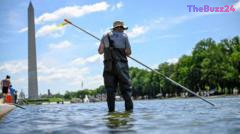
The iconic Reflecting Pool in Washington, D.C., is set to undergo immediate repairs following a series of setbacks that have marred the historic landmark. Despite a recent $13 million renovation intended to restore the site ahead of the nation’s 250th independence anniversary, the pool has been plagued by persistent algae blooms and reports of significant vandalism. The decision to initiate emergency maintenance follows an aerial inspection of the site, which revealed the extent of the damage to the structure’s facade and water quality.
Authorities have reported a surge in criminal activity surrounding the monument, with multiple arrests and citations issued over the weekend. Law enforcement officials have signaled a zero-tolerance policy for those damaging the site, promising aggressive prosecution for any individuals caught vandalizing the area. Among those recently detained was a former Olympic athlete, who has publicly denied the allegations, characterizing his interaction with the pool’s peeling paint as harmless and his subsequent arrest as an overreach of authority.
Beyond the security concerns, the pool continues to struggle with environmental issues. While experts have identified the current algae bloom as a non-toxic species, the persistent growth has necessitated repeated draining and chemical treatments. The ongoing struggle to maintain the pool—which has historically suffered from structural leaks and pipe failures—highlights the immense challenge of preserving such a massive, aging monument while balancing public access and environmental safety.
Key Takeaways
- Immediate repairs are underway for the Reflecting Pool following reports of extensive vandalism and persistent algae growth.
- Law enforcement has increased patrols and vowed to prosecute individuals damaging the landmark, with several arrests already reported.
- Despite a recent $13 million renovation, the pool continues to face structural and maintenance challenges, including peeling paint and recurring biological blooms.
Editor’s Analysis & Impact
The ongoing issues with the Reflecting Pool serve as a microcosm of the broader challenges facing aging federal infrastructure. While the $13 million renovation was intended to be a definitive fix, the rapid recurrence of algae and paint degradation suggests that the underlying structural and environmental maintenance protocols may be insufficient. From a market and policy perspective, this situation highlights the high costs associated with preserving historic landmarks in an era of increased public scrutiny and environmental volatility. Future outlooks suggest that unless a more sustainable, long-term maintenance strategy—perhaps involving advanced filtration or more durable materials—is implemented, the government will continue to face recurring emergency expenditures. The politicization of the site’s condition also underscores how public monuments have become focal points for both civic pride and social unrest.
Frequently Asked Questions
Q: Is the algae currently growing in the Reflecting Pool dangerous to the public?
A: According to aquatic ecology experts, the specific species of algae identified in the pool, Desmodesmus, is considered harmless to humans and animals.
Q: Why is the Reflecting Pool undergoing repairs so soon after a major renovation?
A: The pool is being repaired due to a combination of structural issues, such as peeling paint and leaks, as well as damage caused by recent acts of vandalism.
AI Disclosure: This article is based on verified data and official reports. Our Team and AI have cross-referenced every financial detail with primary sources to ensure total accuracy.
More from this Category