UPS Bolsters Cold Chain Network with $48 Million Investment Amid Healthcare Logistics Surge
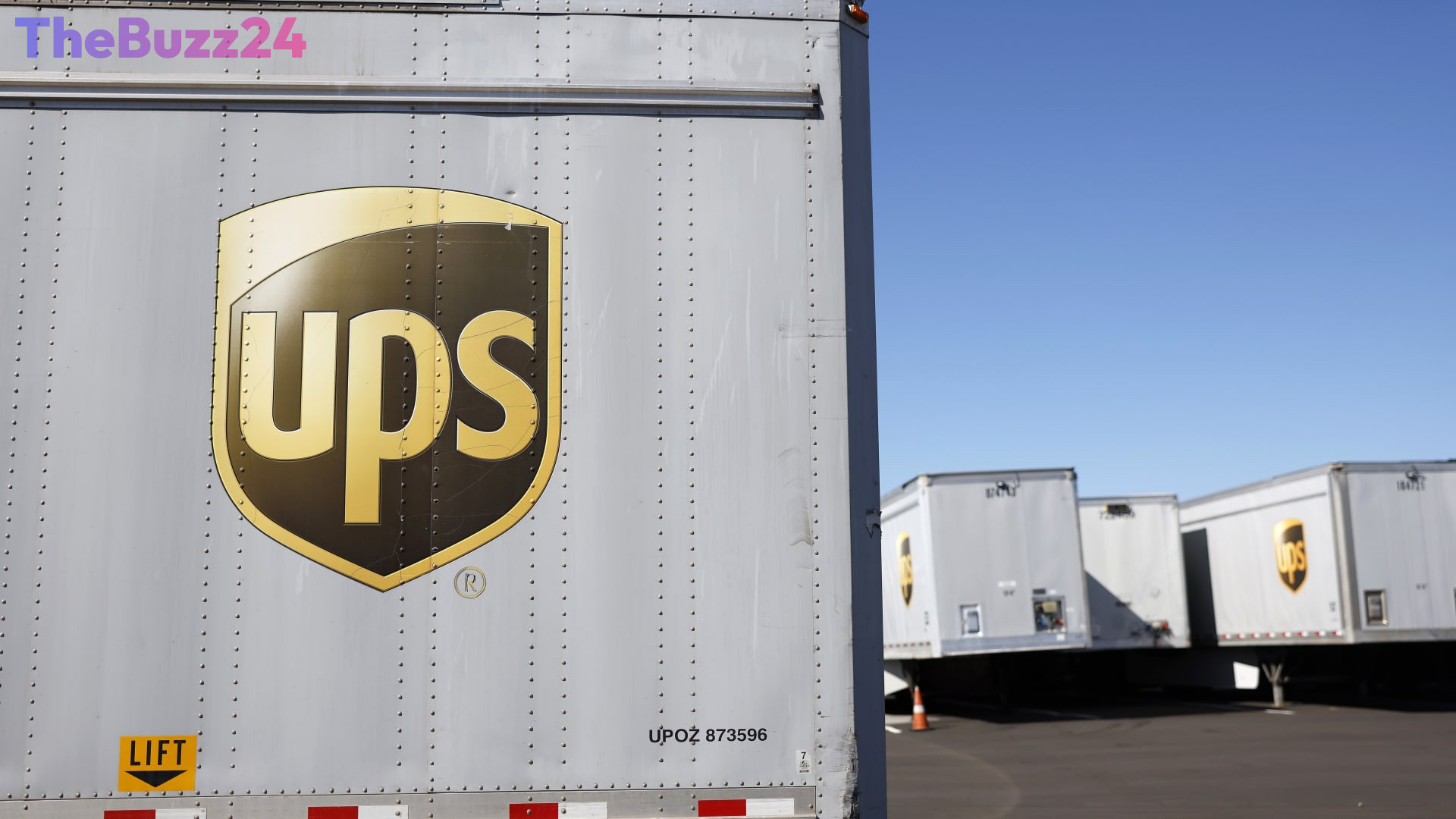
United Parcel Service (UPS) is significantly expanding its capabilities in healthcare logistics with a substantial $48 million investment aimed at enhancing its temperature-controlled facilities. This strategic move underscores the company’s recognition of a booming demand for specialized cold chain solutions, particularly for sensitive medicines and pharmaceuticals.
The investment will be distributed across 27 of UPS’s domestic and international facilities. These upgraded locations are designed to optimize the handling and transportation of shipments requiring precise temperature maintenance, a critical factor for the efficacy and safety of many modern medical treatments. The enhancements are expected to improve delivery speed and strengthen the chain of custody throughout the supply process.
According to UPS, the healthcare sector represents a major growth opportunity. The company’s commitment to this area is further evidenced by its recent achievement of a $3 billion healthcare revenue quarter. This expansion is particularly timely, given the increasing prevalence of medications like GLP-1 drugs, which necessitate strict temperature control during transit and storage. The global market for temperature-sensitive biologics is projected to see considerable growth, highlighting the importance of robust cold chain infrastructure.
Kate Gutmann, UPS’s president of international, healthcare, and supply chain solutions, emphasized the critical role of these facilities in ensuring that vital treatments reach patients reliably. She stated, “Our global cross-dock facilities strengthen our end-to-end cold-chain capabilities to ensure critical treatments are delivered safely and reliably to patients around the world.” This initiative reflects UPS’s broader strategy to align its supply chain services with the evolving needs of the healthcare industry, aiming for better patient outcomes.
Key Takeaways
- UPS is investing $48 million to upgrade 27 temperature-controlled logistics facilities globally.
- The investment is driven by a significant boom in demand for healthcare logistics, especially for temperature-sensitive medicines.
- Enhanced cold chain capabilities aim to improve the delivery of critical treatments and support better patient outcomes.
Editor’s Analysis & Impact
This significant investment by UPS signals a strategic pivot towards capitalizing on the rapidly expanding healthcare logistics market. The focus on temperature-controlled facilities addresses a critical bottleneck in the pharmaceutical supply chain, particularly with the rise of complex biologics and specialized drugs like GLP-1s. By strengthening its cold chain infrastructure, UPS is positioning itself as a key partner for pharmaceutical companies, potentially capturing a larger share of this lucrative market. The move also highlights the increasing intersection of technology and logistics in ensuring the integrity and accessibility of modern medical treatments, with broader implications for global health outcomes and supply chain resilience.
Frequently Asked Questions
Q: Why is UPS investing in temperature-controlled facilities?
A: UPS is investing in these facilities to meet the growing demand for specialized logistics required by temperature-sensitive medicines and pharmaceuticals. This includes drugs like GLP-1s that need precise temperature control during transport and storage to maintain their efficacy.
Q: What is the projected growth for temperature-sensitive biologics?
A: The market for temperature-sensitive biologics is projected to grow at a compound annual growth rate of 8.3% through 2033, reaching an estimated market value of approximately $39.1 billion.
Q: How do cold chain issues impact healthcare?
A: Cold chain failures can lead to significant waste of valuable medical supplies, such as vaccines, which can compromise patient health and increase costs. The World Health Organization estimates that up to 50% of global vaccines are wasted annually, partly due to storage issues.
AI Disclosure: This article is based on verified data and official reports. Our Team and AI have cross-referenced every financial detail with primary sources to ensure total accuracy.
More from this Category