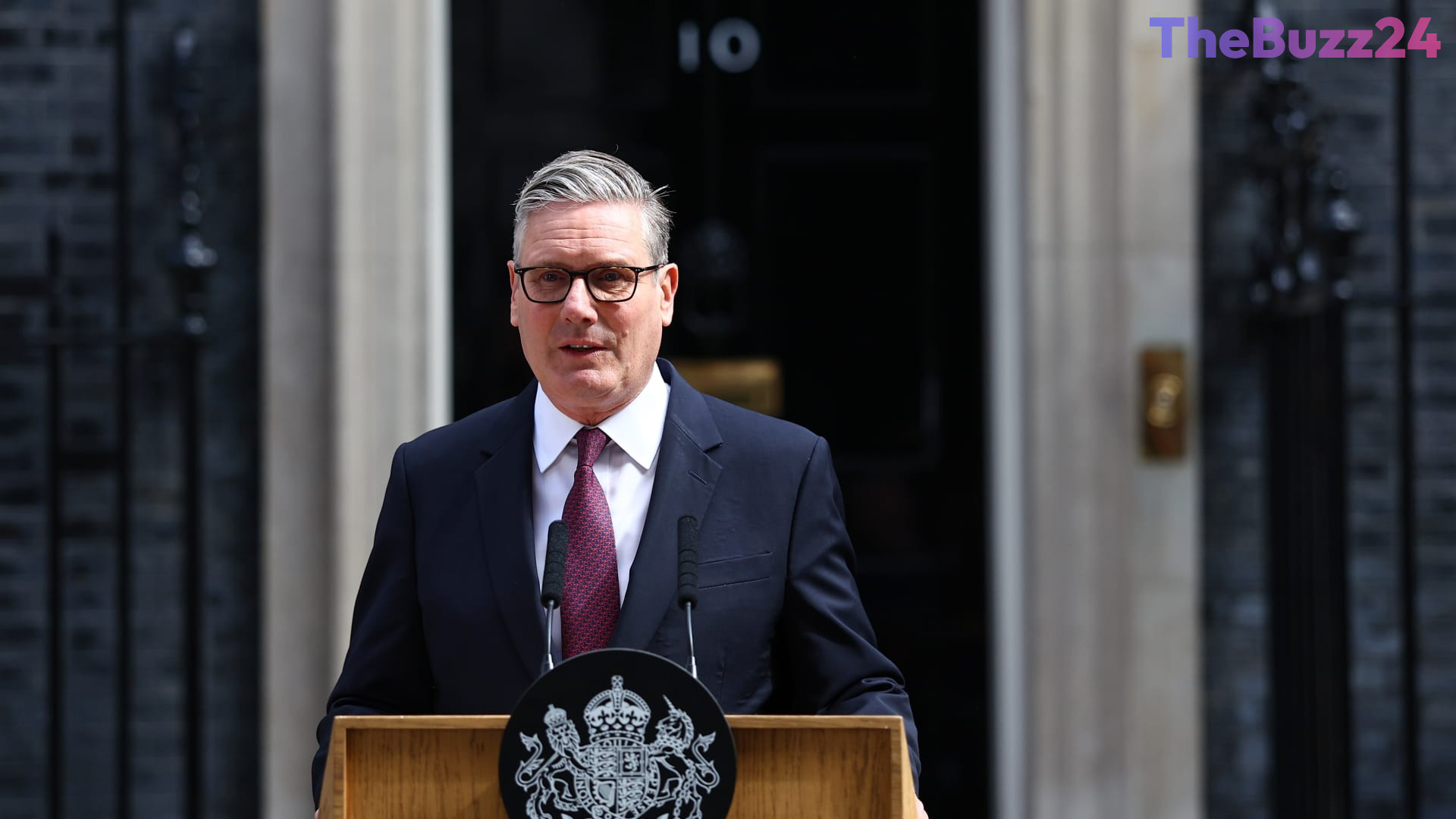
UK Prime Minister Keir Starmer Resigns, Ushering in Fresh Political Uncertainty
In a dramatic development for British politics, Prime Minister Keir Starmer announced his resignation on Monday, stepping down as both the leader of the Labour Party and the head of the UK government. The decision comes less than two years after Starmer led Labour to a historic landslide victory in the 2024 general election. His departure follows months of intense political pressure, culminating in severe losses during recent local elections and a growing rebellion from within his own parliamentary ranks.
Speaking outside 10 Downing Street, an emotional Starmer stated he would remain in office as a caretaker prime minister until a leadership contest is finalized to ensure a smooth transition of power. Despite early successes in securing international investment and reforming workers’ rights, Starmer’s administration faced mounting criticism. Internal disputes over fiscal policies championed by Finance Minister Rachel Reeves, controversial welfare reforms, and the highly criticized diplomatic appointment of Peter Mandelson severely fractured party unity. Recent public opinion polls further highlighted his decline, with over half of the British public believing he should step down.
Financial markets reacted with caution to the political shakeup. The British pound dipped slightly against the US dollar, while yields on 10-year government bonds, or gilts, remained relatively flat following earlier volatility. Economists point out that while the UK’s public debt levels are comparable to other G7 nations, the country continues to grapple with high borrowing costs and persistent inflationary pressures. Investors are now closely monitoring the political transition to assess how the next administration will manage these fiscal challenges.
Starmer’s exit marks a turbulent decade for British governance, making his successor the seventh prime minister to lead the country in just ten years—a period defined by the fallout of the 2016 Brexit referendum. The race to succeed Starmer is already taking shape, with former Greater Manchester Mayor Andy Burnham emerging as a leading contender. Burnham, who recently secured a decisive special election victory, has already received key endorsements from senior party figures, signaling a rapid transition period that could conclude within weeks.
Key Takeaways
- Keir Starmer has announced his resignation as UK Prime Minister and Labour leader following internal party rebellions and poor local election results.
- Starmer will serve as caretaker prime minister until a leadership contest determines his successor, with Andy Burnham emerging as a frontrunner.
- The incoming leader will be the United Kingdom's seventh prime minister in a single decade, highlighting ongoing political volatility since the Brexit vote.
Editor’s Analysis & Impact
The sudden resignation of Keir Starmer underscores the deep-seated volatility that has plagued British politics for the past decade. While Starmer initially brought stability and a massive parliamentary majority to the Labour Party, his administration quickly succumbed to the same economic realities and internal divisions that derailed his predecessors. For global markets, this transition introduces a fresh layer of uncertainty. Investors are particularly sensitive to the UK’s high borrowing costs and stubborn inflation. The frontrunner, Andy Burnham, will face the immediate challenge of reassuring financial markets of fiscal responsibility while appeasing a fractured party demanding relief from cost-of-living pressures. This leadership change suggests that the post-Brexit political realignment in the UK is far from complete, and economic policy will remain a battleground for the foreseeable future.
Frequently Asked Questions
Q: Why did Keir Starmer resign?
A: Starmer resigned due to mounting pressure from within his own party, significant losses in local elections, declining public approval ratings, and internal disputes over fiscal policy and controversial political appointments.
Q: Who is expected to succeed Keir Starmer?
A: Former Greater Manchester Mayor Andy Burnham has emerged as a leading candidate to succeed Starmer, having already secured key endorsements from prominent Labour figures.
Q: How have financial markets responded to the announcement?
A: The financial response has been relatively muted but cautious, with the British pound experiencing a minor decline and government bond yields remaining flat as investors wait to see the economic platform of the next prime minister.
AI Disclosure: This article is based on verified data and official reports. Our Team and AI have cross-referenced every financial detail with primary sources to ensure total accuracy.
More from this Category