Breakthrough in Switzerland: U.S. and Iran Edge Closer to Nuclear Agreement and Strait of Hormuz Resolution
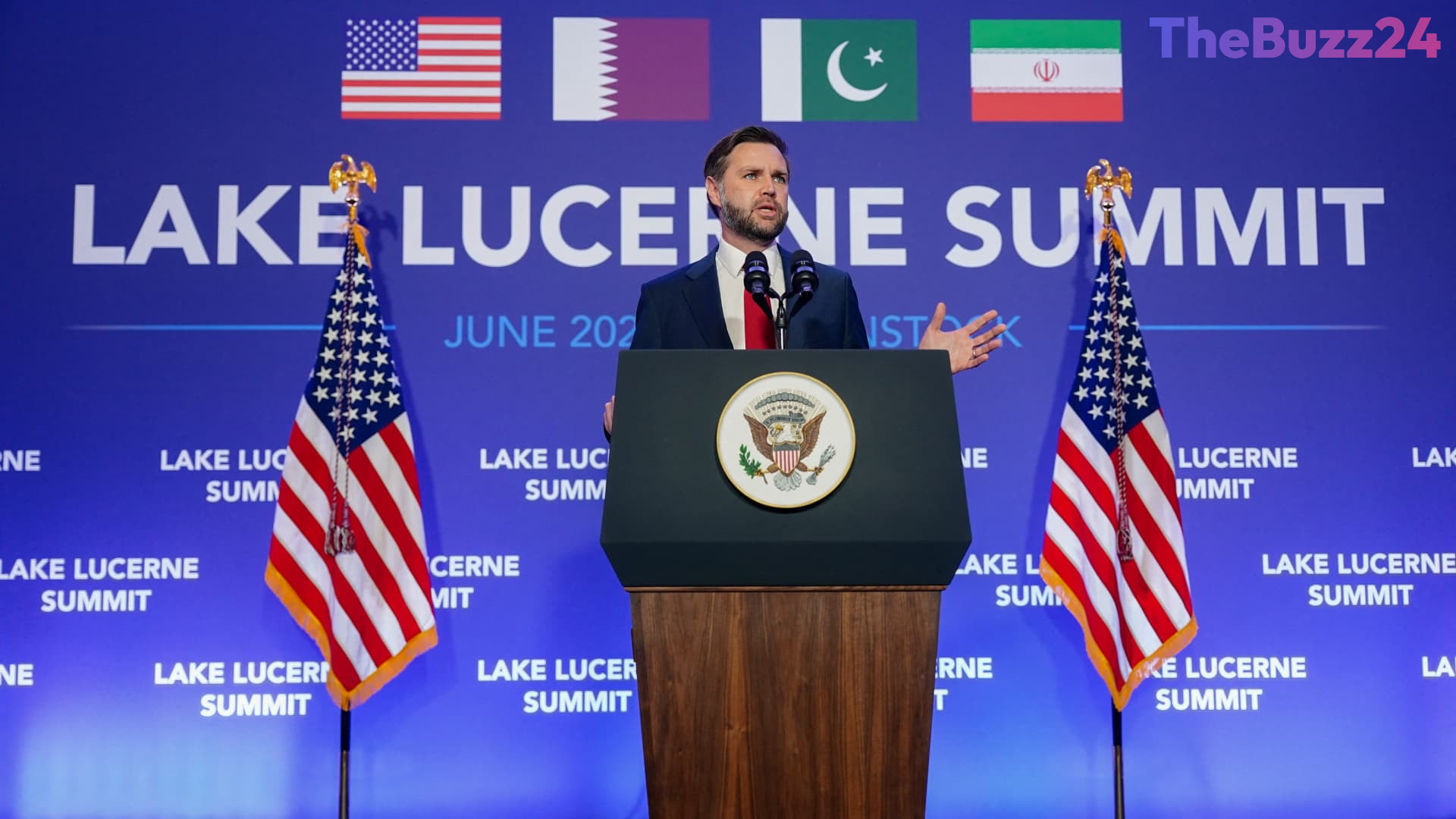
High-level diplomatic talks between the United States and Iran in Bürgenstock, Switzerland, have yielded significant breakthroughs despite recent geopolitical friction. Vice President JD Vance confirmed that Tehran has agreed to readmit International Atomic Energy Agency (IAEA) inspectors, a move hailed as a critical milestone toward permanently halting Iran’s nuclear weapons ambitions. While acknowledging that the negotiations experienced moments of “threatening and whining,” Vance emphasized that the dialogue remained on track, laying a solid foundation for a comprehensive final agreement.
The diplomatic progress comes amid heightened regional volatility, highlighted by Iran’s temporary closure of the Strait of Hormuz over the weekend. Tehran enacted the blockade in response to Israeli military strikes in Lebanon, which it claimed violated an active ceasefire. The Strait of Hormuz is a vital global maritime chokepoint responsible for the transit of approximately 25 percent of the world’s energy supply. To address these recurring disruptions, Vance outlined a newly established “deconfliction mechanism” designed to prevent localized skirmishes from spiraling into a broader regional war, while reiterating the administration’s push for a sustainable regional ceasefire.
A key component of the emerging framework involves a novel financial arrangement brokered by Jared Kushner in coordination with Qatari mediators. Under this proposed mechanism, the United States would retain veto power over the release of frozen Iranian assets. Unfrozen funds would be strictly earmarked to purchase American agricultural goods, simultaneously supporting U.S. farmers and providing humanitarian food aid to the Iranian public. While both Vance and Iranian Foreign Minister Abbas Araghchi acknowledged “major progress,” significant hurdles remain, including the critical task of de-mining the Strait of Hormuz to restore uninterrupted global shipping.
Key Takeaways
- Iran has agreed to readmit IAEA inspectors, marking a major step toward verifying the status of its nuclear program.
- A proposed asset-unfreezing deal brokered by Jared Kushner and Qatar would require U.S. approval and direct funds toward American agricultural exports to feed the Iranian population.
- Despite diplomatic progress, tensions remain high following Iran's temporary closure of the critical Strait of Hormuz, with de-mining efforts identified as a key next step.
Editor’s Analysis & Impact
The diplomatic breakthrough in Bürgenstock represents a pragmatic, transaction-oriented approach to Middle Eastern diplomacy. By linking the unfreezing of Iranian assets directly to the purchase of American agricultural products, the administration is attempting to secure domestic economic benefits while addressing humanitarian needs in Iran—a strategy reminiscent of previous “maximum pressure” carve-outs. However, the true test of this agreement lies in its implementation and regional stability. The temporary closure of the Strait of Hormuz underscores how easily global energy markets can be held hostage by localized conflicts. While the proposed “deconfliction mechanism” aims to prevent escalation, the underlying friction between Israel, Hezbollah, and Iran remains highly volatile. If successful, this deal could stabilize global energy corridors and establish a new template for economic-diplomatic negotiations; if it fails, the risk of a broader regional conflict and energy supply shocks will quickly return.
Frequently Asked Questions
Q: Why did Iran temporarily close the Strait of Hormuz?
A: Iran closed the critical maritime chokepoint in response to Israeli military strikes in Lebanon, which Tehran argued violated an existing ceasefire agreement.
Q: What is the significance of Iran readmitting IAEA inspectors?
A: The return of International Atomic Energy Agency (IAEA) inspectors is viewed as a crucial first step toward verifying the status of Iran's nuclear facilities and permanently halting its nuclear weapons program.
Q: How would the proposed asset-unfreezing deal work?
A: Under a framework developed with Qatari mediation, the U.S. would oversee the release of frozen Iranian assets, ensuring the funds are used exclusively to purchase American agricultural products to feed the Iranian public.
AI Disclosure: This article is based on verified data and official reports. Our Team and AI have cross-referenced every financial detail with primary sources to ensure total accuracy.
More from this Category