Witnessing History: Reflections on Maradona’s Iconic 1986 World Cup Performance
The 1986 World Cup quarter-final between Argentina and England at Mexico City’s Azteca Stadium remains one of the most storied events in sporting history. For those in attendance, the match was a sensory overload of global unity, tension, and athletic brilliance. While the atmosphere was electric, few realized they were about to witness a moment that would define the legacy of Diego Maradona and spark debates that persist four decades later.
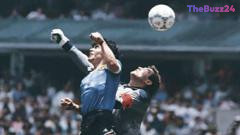
The match is best remembered for the ‘Hand of God’ incident, where Maradona used his hand to punch the ball past English goalkeeper Peter Shilton. At the time, the confusion in the stands was palpable as fans debated whether the goal was legitimate. The controversy overshadowed the match momentarily, yet it was quickly followed by what many consider the greatest goal in football history. Maradona’s second goal of the game, a spectacular solo run through the English defense, silenced the stadium in awe and showcased a level of skill that transcended national rivalries.
Beyond the controversy, the event served as a powerful symbol of resilience for the host city. Having recently recovered from a devastating earthquake, Mexico City found in the Azteca Stadium a place of refuge and collective hope. The tournament allowed the city to project a spirit of joy and generosity to the world, turning a simple sporting event into a profound cultural memory. For those present, the day was less about the final score and more about the shared human experience of witnessing a legend at the peak of his powers.
Today, the legacy of that match continues to be analyzed not just for its tactical significance, but for the stark contrast between the cunning of the first goal and the pure, undeniable genius of the second. While the ‘Hand of God’ remains a point of contention, the sheer artistry of Maradona’s performance that afternoon remains the definitive takeaway for football historians and fans alike.
Key Takeaways
- The 1986 World Cup quarter-final featured two of the most famous goals in football history, both scored by Diego Maradona.
- The 'Hand of God' goal remains a subject of intense historical debate due to its controversial nature.
- The match served as a significant cultural moment for Mexico City, which was recovering from a major earthquake at the time.
Editor’s Analysis & Impact
The 1986 Argentina vs. England match serves as a masterclass in how sports can transcend the game itself to become a permanent fixture in global cultural history. From a market and industry perspective, this event solidified the World Cup as a premier global media spectacle, demonstrating the power of individual star power—in this case, Maradona—to drive international engagement. The duality of the match, featuring both a controversial rule-breaking moment and a display of unparalleled athletic skill, created a narrative arc that keeps the sport relevant in popular culture decades later. Future sporting events can learn from this legacy: the most enduring moments are often those that provoke emotional debate while simultaneously showcasing human excellence. The broader implication is that sports history is rarely just about the statistics; it is about the stories, the controversies, and the collective memories that fans carry for a lifetime.
Frequently Asked Questions
Q: What was the 'Hand of God' goal?
A: It refers to the first goal scored by Diego Maradona against England in the 1986 World Cup, where he used his hand to punch the ball into the net, an act that went unnoticed by the referee.
Q: Why is the second goal of that match considered so significant?
A: Maradona's second goal is widely regarded as one of the greatest in history because he dribbled past multiple English players in a spectacular solo run, showcasing exceptional skill and control.
AI Disclosure: This article is based on verified data and official reports. Our Team and AI have cross-referenced every financial detail with primary sources to ensure total accuracy.
More from this Category