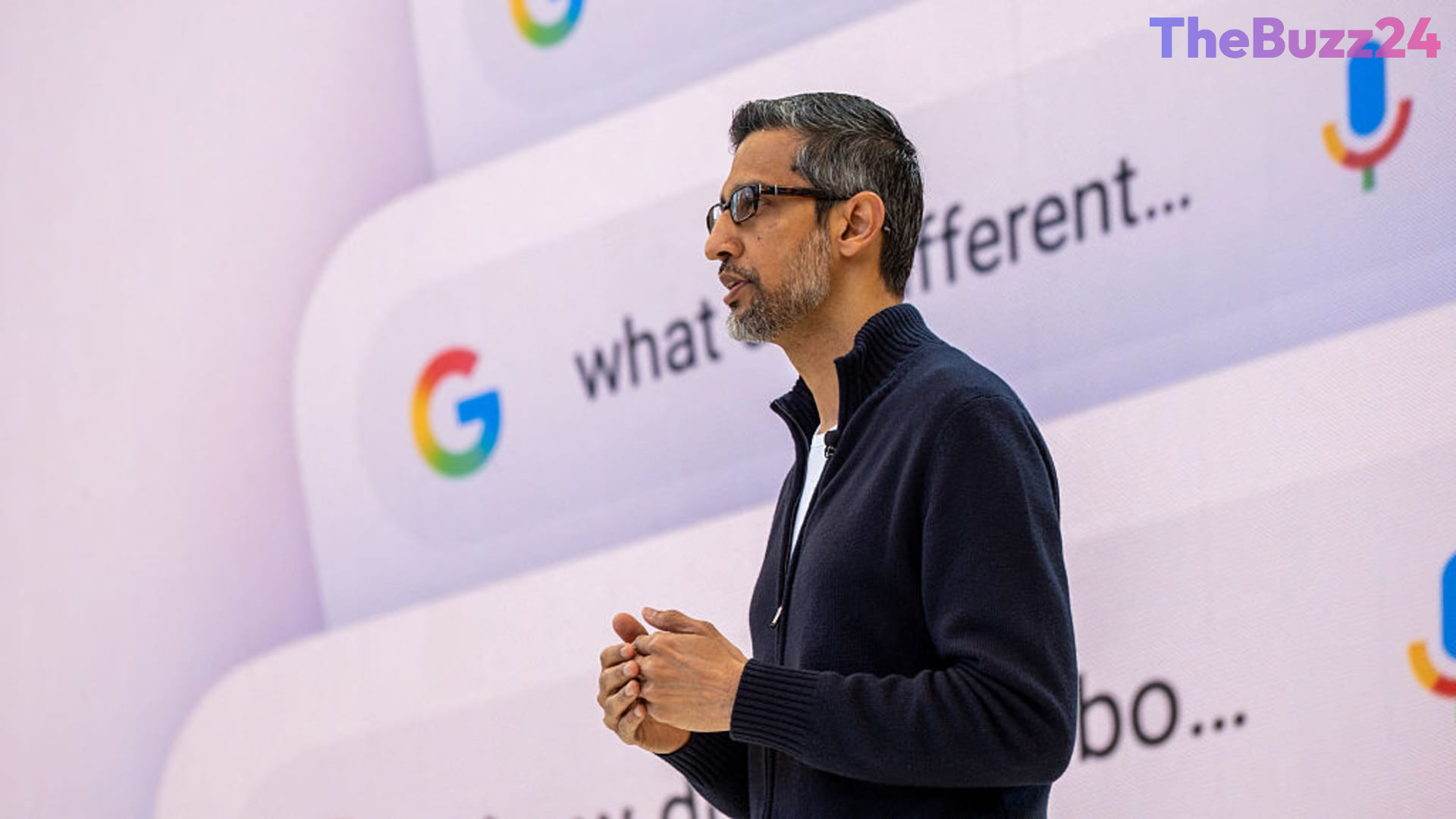
The AI Dilemma: Google Faces Growing Pressure as Search Dominance Faces New Challenges
Google is currently navigating a complex landscape as the rapid rise of generative artificial intelligence begins to disrupt its long-standing dominance in the search engine market. While the company maintains a commanding 90% market share and continues to report strong financial growth, recent shifts in user behavior and industry competition suggest that its traditional search model is under unprecedented pressure. As chatbots like ChatGPT and Anthropic’s Claude gain traction, a growing segment of the public is expressing skepticism toward AI-integrated search, leading to a notable uptick in interest for non-AI alternatives.
This shift is evidenced by the rising popularity of privacy-focused search engines like DuckDuckGo, which has seen significant spikes in installation rates following Google’s recent AI-focused updates. Furthermore, Microsoft’s Bing has reached new user milestones, and some internet users are actively seeking ways to opt out of AI-generated summaries entirely. This trend is compounded by concerns from publishers, who report declining traffic as AI tools increasingly provide direct answers, effectively reducing the need for users to click through to external websites.
Beyond user sentiment, Google is also grappling with an intense war for top-tier talent. The company has recently seen high-profile departures of key AI researchers to rival firms, highlighting the aggressive recruitment strategies employed by emerging AI labs. Despite these challenges, Google remains heavily invested in its AI infrastructure, redesigning its search interface to prioritize AI-driven features. The company maintains that these advancements are essential for the future of information retrieval, even as it balances the need to protect its core advertising revenue model against the existential risks posed by the evolving digital landscape.
Key Takeaways
- Google is facing increased competition from AI-native platforms like ChatGPT and privacy-focused search engines like DuckDuckGo.
- A significant portion of users are expressing a preference for non-AI search experiences, prompting some competitors to offer 'no-AI' options.
- The company is struggling to retain top AI research talent as rival firms aggressively recruit for their own generative AI projects.
Editor’s Analysis & Impact
The current friction between Google and the evolving search landscape represents a pivotal moment for the tech giant. Google’s business model is fundamentally built on advertising revenue derived from search traffic, which is inherently threatened by AI-generated summaries that keep users on the search page. The company is essentially forced to cannibalize its own successful product to remain relevant in an AI-first world. While Google’s financial position remains robust, the ‘war for talent’ and the emergence of a ‘no-AI’ consumer movement suggest that the company’s future growth will not be as straightforward as its past. The long-term implication is a potential fragmentation of the search market, where specialized, ad-free, or human-centric search engines may carve out significant niches, forcing Google to innovate not just in technology, but in how it monetizes information in a post-click era.
Frequently Asked Questions
Q: Why are some users moving away from Google's AI-integrated search?
A: Some users prefer a traditional search experience where they can manually browse websites and make their own decisions, rather than relying on AI-generated summaries that may limit exposure to original sources.
Q: How does the rise of AI search impact website publishers?
A: Publishers are seeing a decline in traffic because AI tools often provide comprehensive answers directly in the search results, which reduces the incentive for users to click through to the original websites.
AI Disclosure: This article is based on verified data and official reports. Our Team and AI have cross-referenced every financial detail with primary sources to ensure total accuracy.
More from this Category