China’s 618 Shopping Festival Signals Deepening Consumer Caution
China’s annual ‘618’ shopping festival, a bellwether for the nation’s retail health, has concluded with a significant deceleration in growth. Data indicates that total online sales during the event, which spanned from mid-May to June 18, rose by only 4% compared to the previous year. This represents a stark decline from the 15.2% growth rate observed during the same period in 2023, underscoring a persistent malaise in household spending that continues to challenge the broader economic recovery.
The sluggish performance of the festival highlights a growing divergence within the Chinese economy. While sectors such as exports and high-tech manufacturing show resilience, domestic consumption remains under pressure. This trend is further evidenced by a 0.6% contraction in retail sales during May, the first such decline since the lifting of pandemic-era restrictions. Analysts suggest that this weakness is not merely a temporary dip but a reflection of deeper structural issues, including a struggling property market and shifting consumer priorities.
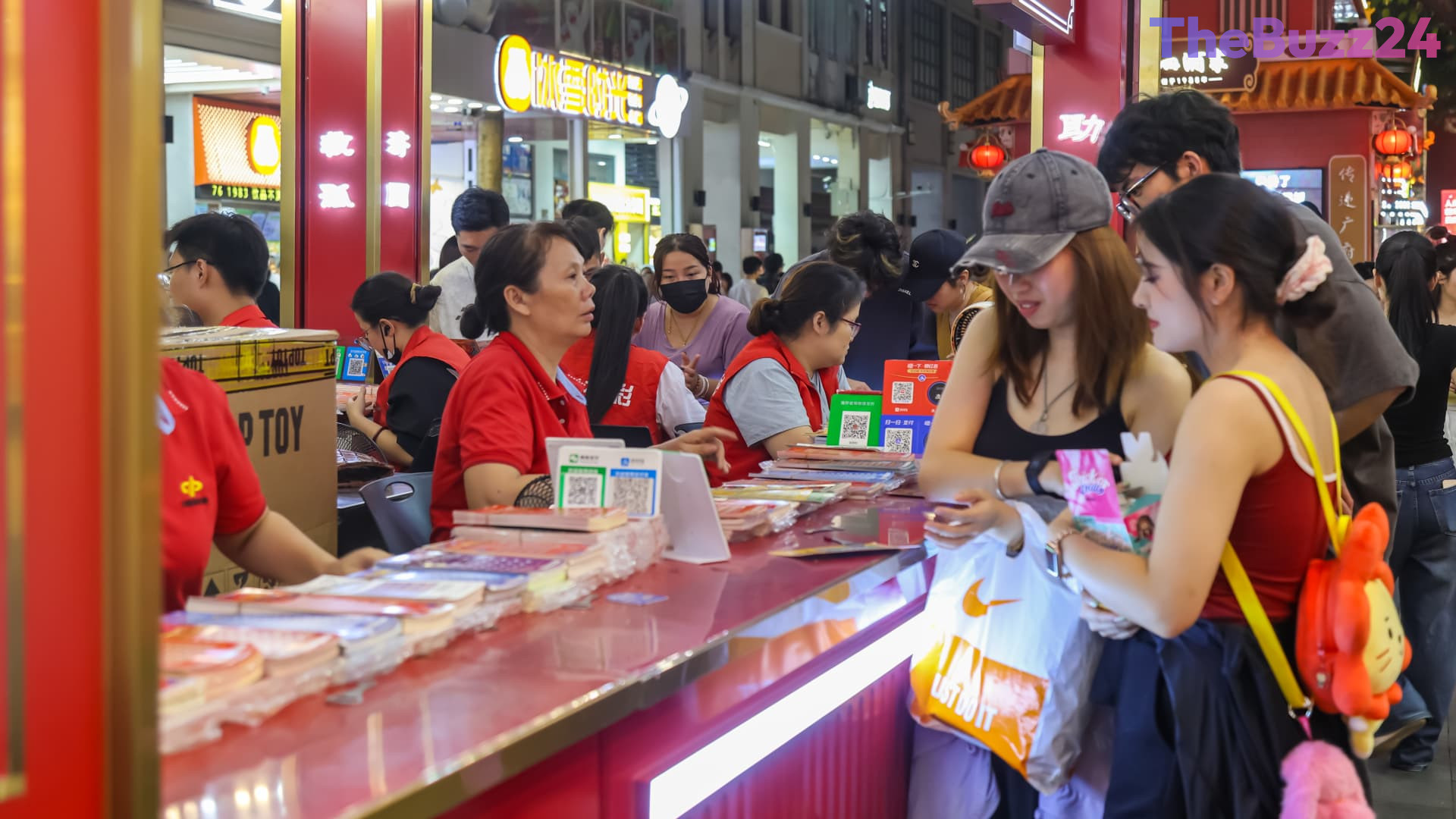
Changing shopping habits were a notable feature of this year’s event. While traditional categories like home appliances saw muted interest compared to previous years—partly due to the absence of aggressive state subsidies—there was a marked increase in demand for secondhand electronics, beauty products, and lifestyle goods. Furthermore, the integration of artificial intelligence into retail platforms has helped brands optimize margins, even as experts warn that AI-driven labor market shifts could introduce new long-term headwinds for household income and consumer confidence.
Key Takeaways
- Online sales growth during the 618 festival plummeted to 4%, down from 15.2% the previous year.
- Consumer spending is shifting toward secondhand goods and lifestyle products, moving away from traditional big-ticket appliance purchases.
- Economic analysts warn that AI-driven job displacement and a weak property market may continue to suppress household consumption.
Editor’s Analysis & Impact
The cooling of China’s 618 shopping festival is a critical indicator of the ‘K-shaped’ recovery currently unfolding in the world’s second-largest economy. The widening gap between the high-performing tech and export sectors and the stagnant consumer retail market suggests that traditional stimulus measures are losing their efficacy. Looking ahead, the integration of AI into the retail supply chain may provide temporary margin relief for corporations, but it simultaneously introduces systemic risks regarding employment stability. If the property market remains depressed and wage growth fails to keep pace with economic output, China may face a prolonged period of ‘consumption fatigue.’ Investors should monitor whether the shift toward value-oriented and secondhand goods becomes a permanent fixture of the Chinese consumer psyche, which would necessitate a fundamental pivot in retail strategies for both domestic and international brands.
Frequently Asked Questions
Q: What is the 618 shopping festival?
A: The 618 shopping festival is one of China's largest annual online retail events, held from mid-May through June 18, serving as a key indicator of consumer demand.
Q: Why did sales growth slow down during this year's festival?
A: The slowdown is attributed to a combination of a struggling property market, reduced consumer confidence, and a shift in spending habits away from big-ticket items like home appliances toward smaller lifestyle and beauty goods.
AI Disclosure: This article is based on verified data and official reports. Our Team and AI have cross-referenced every financial detail with primary sources to ensure total accuracy.
More from this Category