MSCI Holds South Korea as Emerging Market, Puts Indonesia on Downgrade Watch
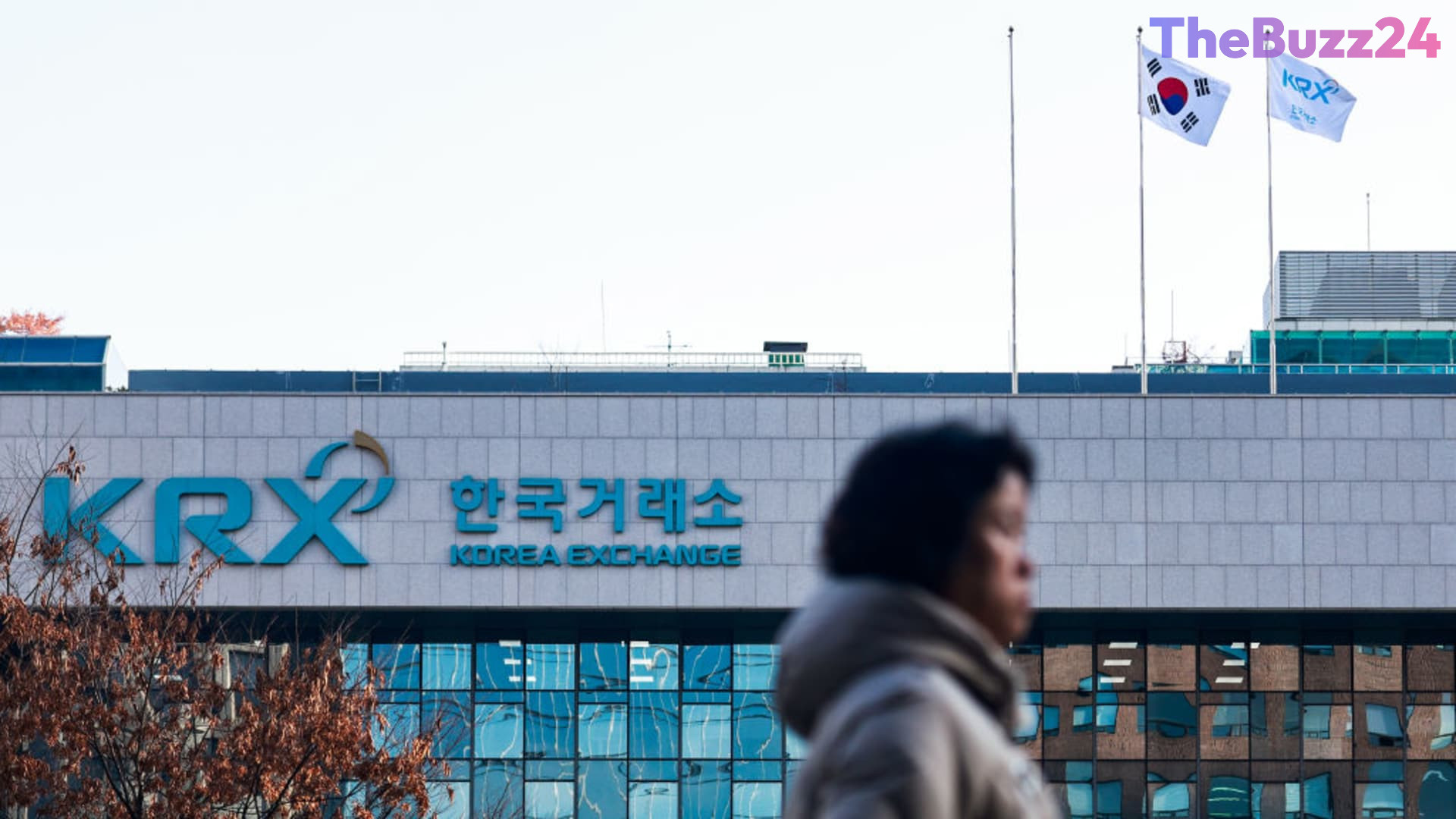
Global index provider MSCI has maintained South Korea’s classification as an “emerging market” in its latest review, a decision that postpones Seoul’s long-standing ambition to be recognized as a developed market. Concurrently, MSCI has extended its assessment of Indonesia’s market status until November, signaling potential risks, including a possible downgrade to frontier-market status if ongoing reforms do not sufficiently address market accessibility concerns.
For South Korea, the decision comes despite the nation’s efforts to enhance its financial infrastructure. MSCI cited several persistent barriers preventing an upgrade, including the limited convertibility of the Korean won in offshore currency markets. Other issues highlighted were a rigid investor identification system, restrictions on in-kind transfers and off-exchange transactions, and limitations on investment products stemming from rules governing the use of exchange data. While South Korean authorities have announced measures to tackle these issues, including the upcoming launch of 24-hour trading in the dollar-won spot market in July, investors reportedly feel the fundamental problems have not yet been fully resolved. An upgrade is seen as crucial by Seoul to address the “Korea discount,” a phenomenon where South Korean stocks often trade at lower valuations compared to their international counterparts. The Finance Ministry has affirmed its commitment to continue pursuing reforms to secure an upgrade.
Indonesia’s market status faces a more precarious outlook. The extended review follows earlier concerns raised by MSCI regarding market accessibility, which led to the freezing of Indonesian stocks from its indexes in January. MSCI indicated it would continue to evaluate reforms implemented by Indonesian authorities. However, the index provider warned that if these measures prove insufficient, it would consider various options for the Indonesian market, explicitly mentioning a potential downgrade to frontier-market status. This highlights the critical need for Indonesia to demonstrate tangible improvements in its market environment to avoid a reclassification that could deter international investment.
Key Takeaways
- MSCI has retained South Korea's "emerging market" status, citing issues like won convertibility and investor identification, delaying its developed market aspirations.
- Indonesia's market review has been extended until November, with MSCI warning of a potential downgrade to "frontier market" status due to ongoing market accessibility concerns.
- Both nations are actively pursuing reforms to address the identified barriers, aiming for improved index classifications and greater international investment.
Editor’s Analysis & Impact
MSCI’s latest review underscores the rigorous criteria for market classification and its significant impact on global capital flows. For South Korea, remaining an emerging market perpetuates the “Korea discount,” potentially limiting foreign investment and valuation multiples. While reforms like 24-hour won trading are positive steps, MSCI’s stance indicates deeper structural changes are needed to convince investors of full market accessibility. Indonesia’s situation is more critical; a downgrade to frontier market status would be a significant blow, potentially deterring institutional investors and increasing its cost of capital. Both decisions highlight the ongoing pressure on developing economies to align their financial markets with international standards, emphasizing transparency, liquidity, and investor protection to attract and retain global capital.
Frequently Asked Questions
Q: What is MSCI and why are its classifications important?
A: MSCI (Morgan Stanley Capital International) is a leading provider of investment tools, including widely used equity indexes. Its market classifications (e.g., Developed, Emerging, Frontier) are crucial because many global investment funds track these indexes, meaning a country's status can significantly influence the flow of international capital into its markets.
Q: What does "emerging market" status imply for a country like South Korea?
A: "Emerging market" status suggests a country's economy and financial markets are developing but may still have certain characteristics like higher volatility, less liquidity, or regulatory hurdles compared to developed markets. For South Korea, remaining in this category means it continues to be grouped with other developing economies, potentially affecting investor perception and the types of funds that invest there.
Q: What is the "Korea discount"?
A: The "Korea discount" refers to the phenomenon where South Korean companies' stocks often trade at lower valuations (e.g., lower price-to-earnings ratios) compared to similar companies in other developed or even some emerging markets. This is often attributed to factors like corporate governance issues, geopolitical risks, and, as highlighted by MSCI, market accessibility limitations.
AI Disclosure: This article is based on verified data and official reports. Our Team and AI have cross-referenced every financial detail with primary sources to ensure total accuracy.
More from this Category