Mali Grants Presidential Pardon to Frenchman Convicted in Alleged Coup Plot
Authorities in Mali have granted a presidential pardon to a French national who was previously sentenced to 20 years in prison on charges of plotting to overthrow the government. The decision marks a significant development in a high-profile case that initially strained diplomatic relations between Bamako and Paris.
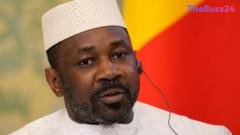
Yann Vezilier had been arrested a year prior alongside several domestic military generals and soldiers. Officials in Mali alleged that the group was attempting to destabilize the administration of President Assimi Goïta on behalf of foreign intelligence agencies. While the official decree noted that the act of clemency does not invalidate the findings of the original trial, it mandated Vezilier’s immediate deportation from Malian territory.
The pardon comes amid a broader backdrop of severe political and security challenges in the West African nation. Mali has been grappling with a persistent Islamist insurgency since 2012, which served as a primary justification for the military takeover led by Goïta in 2021. Despite shifting military alliances—including severing traditional ties with France and bringing in foreign security partners—the government continues to face mounting pressure from militant groups operating across the region.
Key Takeaways
- Yann Vezilier, a French national sentenced to 20 years for an alleged coup plot in Mali, has received a presidential pardon.
- The pardon includes his immediate deportation from Malian territory, though the government maintains the validity of the original trial.
- Mali continues to navigate deep security crises and shifting geopolitical alliances amidst an ongoing Islamist insurgency.
Editor’s Analysis & Impact
The sudden pardon and deportation of Yann Vezilier hint at subtle diplomatic maneuvers behind closed doors, even as official channels remain tight-lipped. Mali’s military junta, led by President Assimi Goïta, has steadily centralized power while pivoting away from traditional Western allies like France in favor of alternative security partnerships. However, persistent militant violence and economic strain continue to test the regime’s stability. This clemency gesture could signal a calculated effort by Bamako to ease specific diplomatic friction points without conceding on domestic security narratives. Observers will be closely watching to see if this move precedes a broader recalibration of relations between Mali and European capitals, or if it remains an isolated gesture amidst ongoing regional instability.
Frequently Asked Questions
Q: Why was Yann Vezilier originally imprisoned in Mali?
A: Vezilier was sentenced to 20 years in prison after being accused of plotting to destabilize President Assimi Goïta's government on behalf of French intelligence.
Q: What conditions were attached to the presidential pardon?
A: While the Malian government stated that the pardon did not call into question the original trial's findings, it required Vezilier's immediate removal from national territory.
Q: How has Mali's security landscape shifted in recent years?
A: Mali has experienced escalating Islamist insurgencies, leading to a military coup in 2021, the severing of ties with France, and the enlistment of alternative security allies to combat militant groups.
AI Disclosure: This article is based on verified data and official reports. Our Team and AI have cross-referenced every financial detail with primary sources to ensure total accuracy.
More from this Category