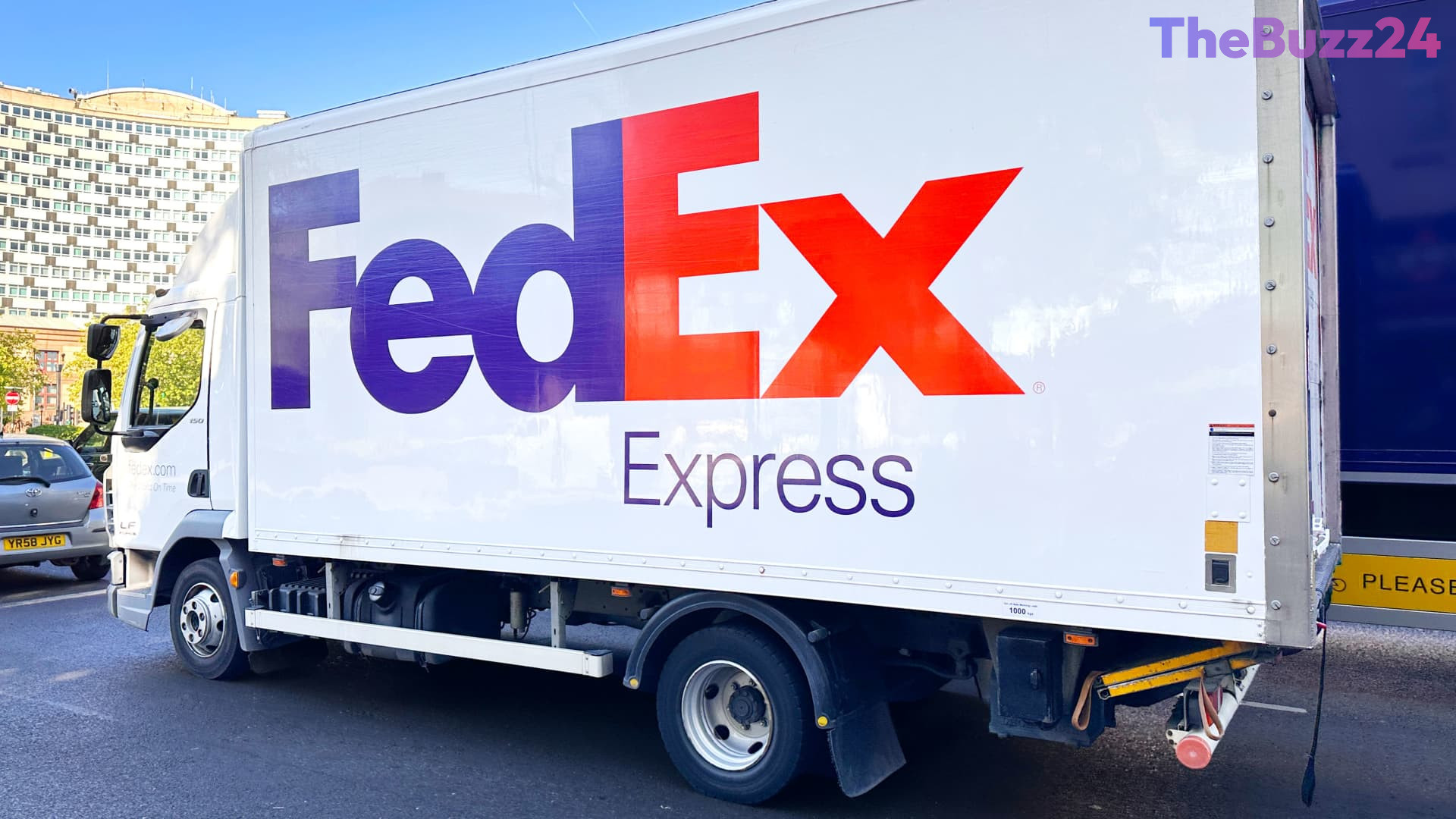
FedEx Delivers Strong Fiscal Finish as Freight Division Spins Off
FedEx has concluded its fiscal fourth quarter with a robust financial performance, surpassing analyst expectations for both revenue and earnings. The results represent a significant milestone for the logistics giant, as it marks the final reporting period to include the company’s freight operations, which officially transitioned into an independent, publicly traded entity on June 1. As part of this strategic separation, the newly formed FedEx Freight issued a cash dividend of approximately $4.1 billion to the parent corporation.
For the period ending May 31, the company reported total revenue of $25.01 billion, comfortably exceeding the anticipated $24.04 billion. A key driver of this growth was the FedEx Express segment, which generated $21.57 billion in revenue. Operational metrics also showed positive momentum, with the company recording a 3% year-over-year increase in both domestic volume and U.S. priority volume. Despite a notable 66% surge in fuel costs—rising to $1.43 billion—management noted that demand remained resilient, bolstered by a 10% increase in U.S. pricing.
Looking ahead, FedEx is undergoing a structural shift in its reporting calendar, moving its fiscal year-end from May 31 to December 31. CEO Raj Subramaniam expressed confidence in the company’s current trajectory, citing strong free cash flow and performance that has outpaced initial long-term projections. For the upcoming full year, the company has issued an optimistic outlook, forecasting 11% revenue growth and adjusted diluted earnings per share ranging between $16.90 and $18.10.
Key Takeaways
- FedEx exceeded Wall Street expectations for the fiscal fourth quarter, reporting $25.01 billion in revenue.
- The freight division has officially spun off into an independent company, providing a $4.1 billion cash dividend to the parent corporation.
- Despite a 66% increase in fuel costs, the company maintained strong demand and implemented a 10% price hike in the U.S. market.
Editor’s Analysis & Impact
The successful spin-off of the freight division marks a pivotal moment in FedEx’s corporate strategy, allowing the company to streamline its core operations and focus on its primary express and ground logistics networks. By shedding the capital-intensive freight business, FedEx is positioning itself to be more agile in an increasingly competitive global shipping environment. The company’s ability to pass on rising fuel costs to consumers through a 10% price increase demonstrates significant pricing power and brand loyalty. Looking forward, the shift in the fiscal year-end to align with the calendar year suggests a move toward greater transparency and simplified reporting for investors. If the company maintains its current momentum in free cash flow, it is well-positioned to navigate potential economic headwinds and continue its aggressive growth targets through 2026.
Frequently Asked Questions
Q: What happened to the FedEx Freight division?
A: FedEx Freight was spun off into a separate, independent publicly traded company on June 1, providing a $4.1 billion cash dividend to FedEx Corporation.
Q: How did FedEx handle the significant rise in fuel costs?
A: While fuel costs rose by 66% to $1.43 billion, the company offset this impact by implementing a 10% price increase in the U.S. market, which did not negatively affect overall demand.
AI Disclosure: This article is based on verified data and official reports. Our Team and AI have cross-referenced every financial detail with primary sources to ensure total accuracy.
More from this Category