NASA’s Revamped 737 Takes Flight for Artemis Lunar Training
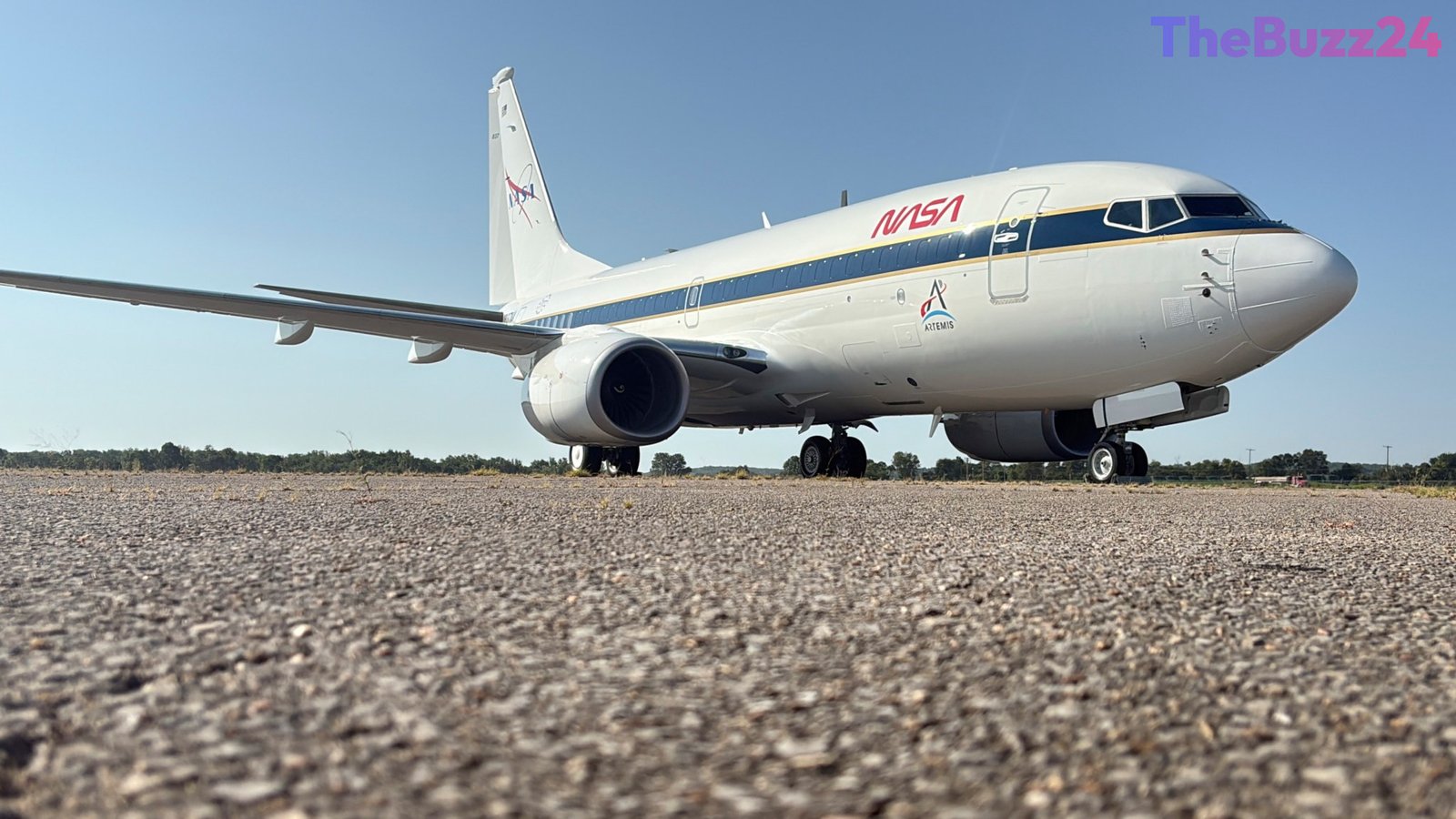
A specially modified NASA 737 aircraft recently received a fresh coat of paint in Oklahoma, marking a significant step in its transformation into a crucial asset for the agency’s space exploration endeavors. This aircraft, now designated for reduced-gravity testing, was acquired by NASA’s Armstrong Flight Research Center in Edwards, California, from the United States Air Force in June.
The primary mission for this revamped 737 involves conducting lunar-gravity parabolic flights. These unique flight profiles are essential for simulating the reduced gravitational environment of the Moon, allowing engineers and astronauts to rigorously test and validate the next generation of lunar suits and associated crew systems. These critical evaluations, vital for the success of the Artemis mission objectives, will primarily take place at NASA’s Johnson Space Center in Houston, with oversight from NASA Armstrong.
Beyond its role in astronaut training, the aircraft is also slated to serve as a vital platform for advanced systems-integration research. This includes flight testing cutting-edge autonomy features, new sensor technologies, and various other digital systems. Its versatility will enable NASA to push the boundaries of aerospace technology, supporting both human spaceflight and future aeronautical advancements.
Key Takeaways
- NASA's 737 aircraft has been repainted and modified for reduced-gravity testing to support future space missions.
- It will conduct lunar-gravity parabolic flights to validate astronaut lunar suits and associated crew systems for the Artemis program.
- The aircraft will also serve as a key platform for systems-integration research, including testing autonomy, sensors, and other digital flight systems.
Editor’s Analysis & Impact
This development underscores NASA’s strategic investment in critical infrastructure necessary for advancing its ambitious Artemis program. The modified 737 aircraft is not merely a testbed but a cornerstone for ensuring the safety and efficacy of future lunar missions. By providing a dedicated platform for reduced-gravity simulations, NASA can meticulously refine astronaut equipment and procedures, significantly mitigating risks associated with lunar surface operations. Furthermore, its role in testing advanced autonomy and sensor systems points towards broader implications for the aerospace industry, potentially accelerating the development of next-generation flight technologies for both space and terrestrial applications. This initiative reinforces the agency’s commitment to sustained human presence beyond Earth and positions the U.S. at the forefront of space exploration innovation.
Frequently Asked Questions
Q: Where will the reduced-gravity flights take place?
A: The reduced-gravity operations will primarily occur at NASA’s Johnson Space Center in Houston, with oversight from NASA Armstrong.
Q: What other research will the aircraft support?
A: In addition to lunar simulations, the aircraft will be used for systems-integration research, including flight testing autonomy, advanced sensors, and other digital systems for future aerospace advancements.
AI Disclosure: This article is based on verified data and official reports. Our Team and AI have cross-referenced every financial detail with primary sources to ensure total accuracy.
More from this Category