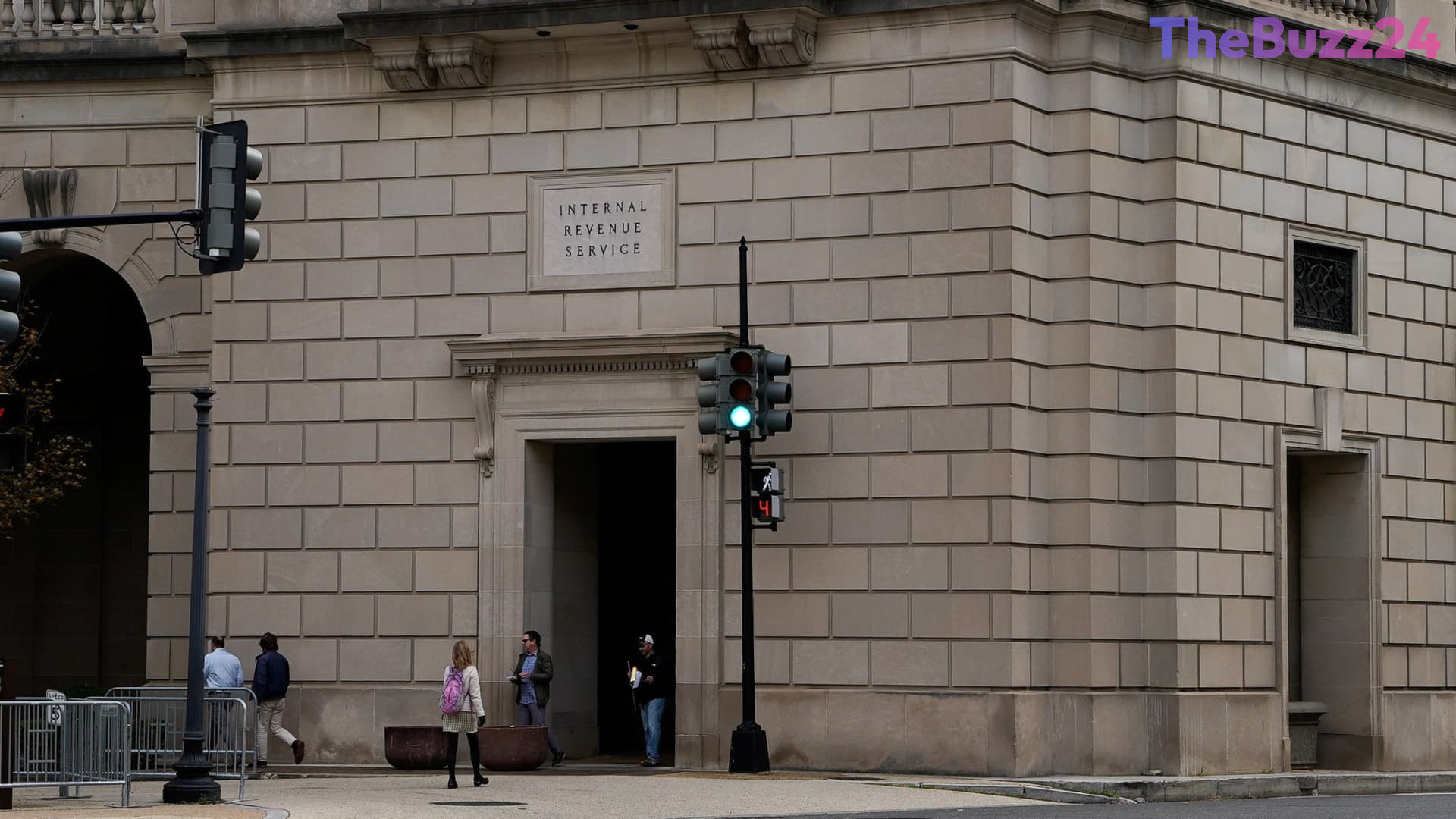
IRS Identity Theft Backlog Reaches Crisis Levels Amid Staffing Cuts, Leaving Half Million Taxpayers in Limbo
Hundreds of thousands of Americans who have fallen victim to identity theft are enduring “unconscionable” delays in resolving their cases with the Internal Revenue Service. An internal watchdog has revealed that the federal agency is currently taking an average of 20 months—nearly two years—to close these complex cases, a situation causing significant financial distress and frustration for over half a million taxpayers nationwide.
Tax-related identity theft typically occurs when criminals exploit stolen Social Security numbers to file fraudulent tax returns and claim illicit refunds. This criminal act triggers a cascade of administrative and financial complications for legitimate taxpayers, often resulting in their rightful tax refunds being withheld for extended periods. For many low- and middle-income individuals, such prolonged waits are not merely an inconvenience; they can severely impact their ability to cover essential living expenses like rent, utilities, and transportation, as highlighted by Erin Collins, the National Taxpayer Advocate. The process is universally described as burdensome, difficult to navigate, and time-consuming.
The escalating backlog and extended wait times are occurring amidst a substantial reduction in the IRS workforce. The agency’s staffing levels plummeted by 27% in just one year, from 102,000 employees to 74,000 at the start of the recent tax-filing season. This significant decrease in personnel directly contributes to the agency’s struggle to process identity theft cases efficiently. Federal regulators, including the Federal Bureau of Investigation, have also noted a concerning uptick in reports of tax-related identity theft, with the FBI observing a 26% year-over-year increase in consumer complaints related to these crimes last year.
The National Taxpayer Advocate, an independent organization within the IRS established to protect taxpayer rights, has consistently warned about these severe delays. Erin Collins, appointed to her role by former Treasury Secretary Steven Mnuchin in 2020, previously flagged the issue in 2023. Since then, the number of victims awaiting resolution and the duration of their wait times have only continued to grow, underscoring a persistent and worsening challenge for the nation’s tax system.
Key Takeaways
- Over 500,000 identity theft victims face "unconscionable" 20-month delays from the IRS in resolving their cases.
- These prolonged delays cause significant financial hardship for taxpayers, particularly low- and middle-income individuals, impacting their ability to cover basic living expenses.
- The crisis is exacerbated by a 27% reduction in IRS staffing and a rising number of reported tax-related identity theft incidents, with the FBI noting a 26% increase in complaints.
Editor’s Analysis & Impact
The protracted delays faced by identity theft victims at the IRS signal a critical operational challenge with far-reaching implications for public trust and economic stability. The substantial reduction in IRS staffing, coupled with an increasing volume of identity theft cases, creates a perfect storm that undermines the agency’s ability to fulfill its core functions. This situation could lead to a further erosion of taxpayer confidence, potentially impacting compliance rates in the long term. For the financial sector, the inability of individuals to access their rightful refunds can ripple through local economies, affecting consumer spending and debt management. Future outlook suggests that without significant investment in staffing and technological infrastructure, the backlog will likely worsen, perpetuating financial hardship for vulnerable populations and increasing the overall cost of tax administration. This issue highlights the broader societal cost of underfunding critical government services.
Frequently Asked Questions
Q: What is tax-related identity theft?
A: Tax-related identity theft occurs when a criminal uses a stolen Social Security number or other personal information to file a fraudulent tax return and claim a refund in the victim's name.
Q: How long are victims waiting for the IRS to resolve their cases?
A: Victims of tax-related identity theft are currently waiting an average of 20 months, or nearly two years, for the IRS to resolve their cases.
Q: What are the main reasons for these delays?
A: The primary reasons for the prolonged delays include a significant reduction in IRS staffing (a 27% cut in one year) and a concurrent increase in the number of reported tax-related identity theft incidents.
AI Disclosure: This article is based on verified data and official reports. Our Team and AI have cross-referenced every financial detail with primary sources to ensure total accuracy.
More from this Category