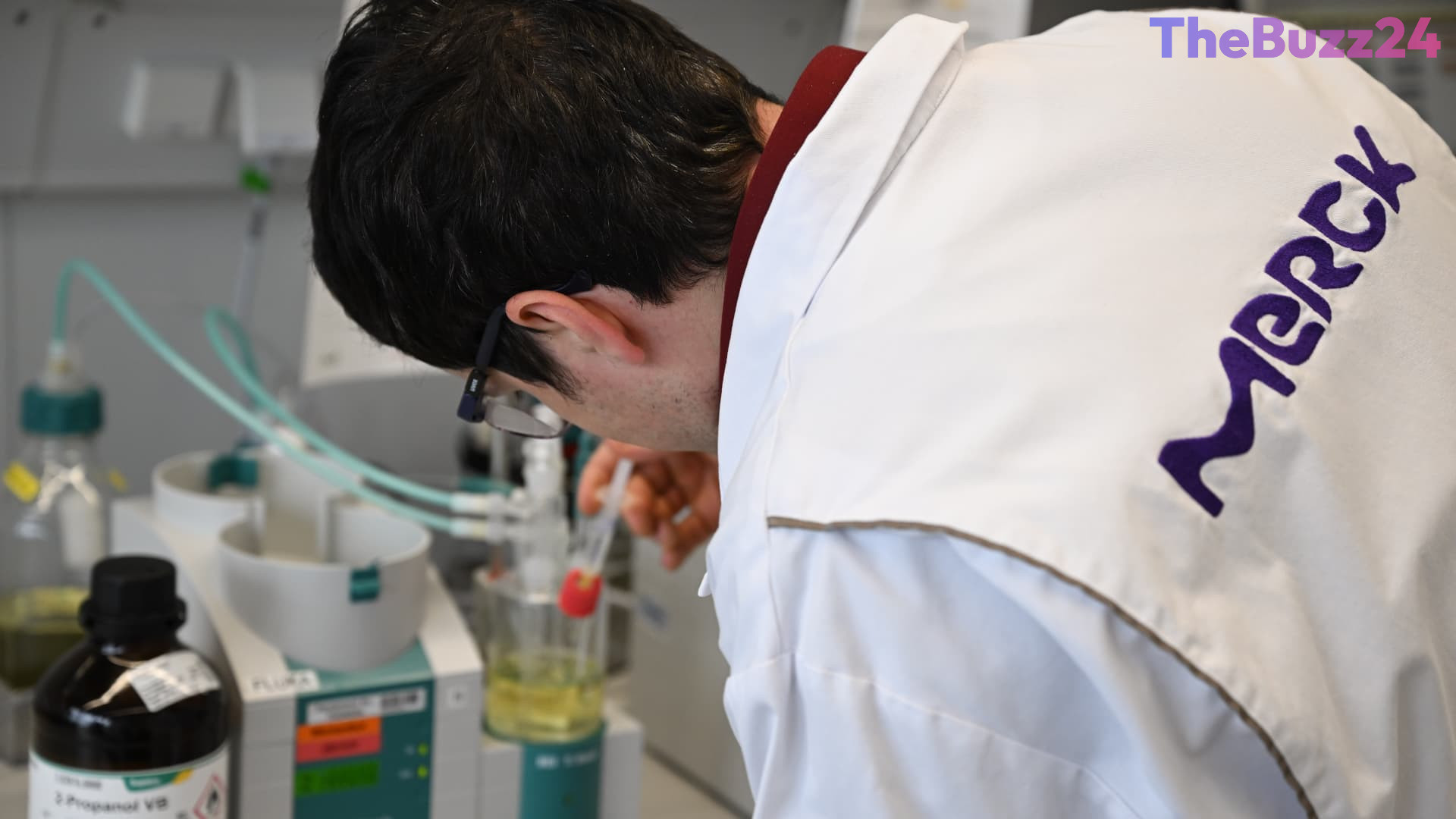
Merck KGaA Announces $11.3 Billion Acquisition of Bio-Techne to Expand Life Sciences Dominance
German pharmaceutical and chemical giant Merck KGaA has announced a definitive agreement to acquire U.S.-based biotech firm Bio-Techne in a transaction valued at $11.3 billion. This move represents the company’s most significant acquisition in over a decade, signaling a strategic pivot toward bolstering its life sciences division as a primary engine for long-term corporate growth.
Under the terms of the agreement, Merck will offer $73 per share for Bio-Techne, representing a 24% premium over the company’s previous closing price. The acquisition is designed to integrate Bio-Techne’s extensive portfolio of research reagents, proteins, antibodies, and analytical instruments into Merck’s existing infrastructure. By absorbing these specialized tools, Merck aims to solidify its position in the rapidly evolving fields of cell and gene therapy, as well as advanced biological research.
This acquisition marks a major milestone under the leadership of CEO Kai Beckmann, continuing a trend of aggressive expansion in the life sciences sector. The deal is expected to be finalized between late 2026 and early 2027, with the company planning to fund the purchase through a mix of cash and debt. Merck anticipates achieving approximately 140 million euros in cost synergies by the third year following the completion of the merger.
Key Takeaways
- Merck KGaA is acquiring Bio-Techne for $11.3 billion, marking its largest deal since 2014.
- The acquisition focuses on expanding Merck's capabilities in cell and gene therapy and biological research tools.
- The deal is expected to close by late 2026 or early 2027, with projected cost savings of 140 million euros.
Editor’s Analysis & Impact
The acquisition of Bio-Techne is a calculated move by Merck KGaA to insulate itself from the volatility of the traditional pharmaceutical market by deepening its roots in the ‘picks and shovels’ of the biotech industry. By controlling the supply chain for research reagents and analytical tools, Merck positions itself as an indispensable partner to drug developers globally. This strategy mirrors the company’s successful 2014 integration of Sigma-Aldrich, which transformed its business model. While the research tools market currently faces some cyclical pressure, the long-term demand for advanced biological research and personalized medicine makes this a high-value asset. The deal is unlikely to face significant regulatory pushback, and if successfully integrated, it will likely set a new benchmark for Merck’s operational scale in the life sciences sector, potentially triggering further consolidation among competitors.
Frequently Asked Questions
Q: How does Merck plan to fund the $11.3 billion acquisition?
A: Merck intends to fund the acquisition through a combination of its existing cash reserves and new debt financing.
Q: What specific products does Bio-Techne bring to Merck?
A: Bio-Techne provides a vast catalog of research tools, including approximately 6,000 proteins and 425,000 antibodies, alongside various analytical instruments used in drug development.
AI Disclosure: This article is based on verified data and official reports. Our Team and AI have cross-referenced every financial detail with primary sources to ensure total accuracy.
More from this Category