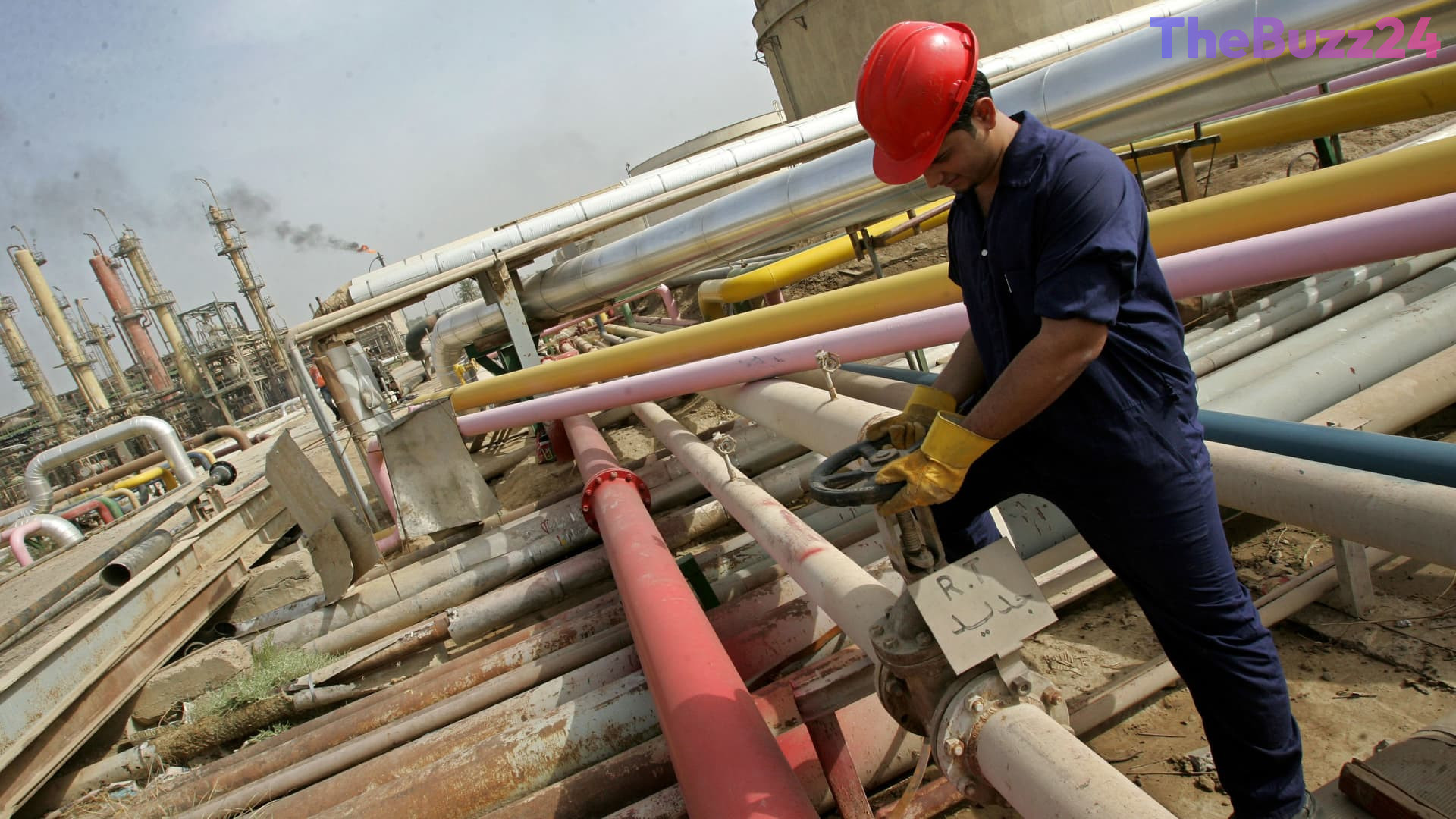
Iraq Challenges OPEC Production Quotas Amid Economic Strain
Iraq is intensifying pressure on OPEC to secure a higher oil production quota, signaling potential friction within the cartel as the nation navigates significant economic challenges. As the second-largest oil exporter within the organization, Baghdad’s push for increased output limits highlights the growing tension between member states struggling with fiscal stability and the group’s collective supply management strategy.
While speculation regarding a potential withdrawal from the cartel has circulated, the Iraqi oil ministry has clarified that such reports do not represent the government’s official stance. Nevertheless, the administration continues to emphasize the urgent need for a comprehensive review of existing production caps. This diplomatic balancing act underscores the country’s precarious position as it seeks to maximize revenue to support its oil-dependent economy.
Iraq’s economic reliance on crude exports has been further exacerbated by regional instability, which has severely impacted traditional shipping routes through the Persian Gulf. In response, the Iraqi cabinet has moved to accelerate infrastructure projects, specifically targeting the expansion of the Kurdistan-Turkey pipeline network. By increasing capacity through this alternative route to the Mediterranean, Baghdad aims to reduce its vulnerability to maritime disruptions and secure a more reliable flow of exports to international markets.
Key Takeaways
- Iraq is actively lobbying OPEC for an increased oil production quota to bolster its national economy.
- The Iraqi government is prioritizing the expansion of the Kurdistan-Turkey pipeline to bypass vulnerable Persian Gulf shipping routes.
- Despite rumors of a potential exit from OPEC, Baghdad maintains that it is currently focused on negotiating quota adjustments rather than withdrawing.
Editor’s Analysis & Impact
The tension between Iraq and OPEC reflects a broader trend of internal strain within the cartel as member nations face varying degrees of economic pressure. Iraq’s push for higher quotas is a direct response to the fiscal necessity of funding its budget, which is heavily tied to oil revenues. The strategic pivot toward the Kurdistan-Turkey pipeline indicates that Iraq is attempting to diversify its export logistics to mitigate geopolitical risks. If OPEC fails to accommodate these demands, it risks further fracturing its unity, especially following the recent departure of other key producers. The long-term outlook suggests that unless OPEC can find a middle ground that satisfies the growth needs of its members while maintaining market stability, the cartel may face continued internal volatility and a potential decline in its collective influence over global oil prices.
Frequently Asked Questions
Q: Why is Iraq seeking a higher oil production quota from OPEC?
A: Iraq is seeking a higher quota to increase its crude oil exports, which are essential for supporting its economy, as oil revenue accounts for a significant portion of the country's GDP.
Q: What alternative export route is Iraq developing?
A: Iraq is working to accelerate exports through the Kurdistan-Turkey pipeline network, which provides an alternative route to the Mediterranean port of Ceyhan, bypassing the Persian Gulf.
AI Disclosure: This article is based on verified data and official reports. Our Team and AI have cross-referenced every financial detail with primary sources to ensure total accuracy.
More from this Category