The Female Gaze: How Male-to-Male Romance is Dominating Mainstream Entertainment
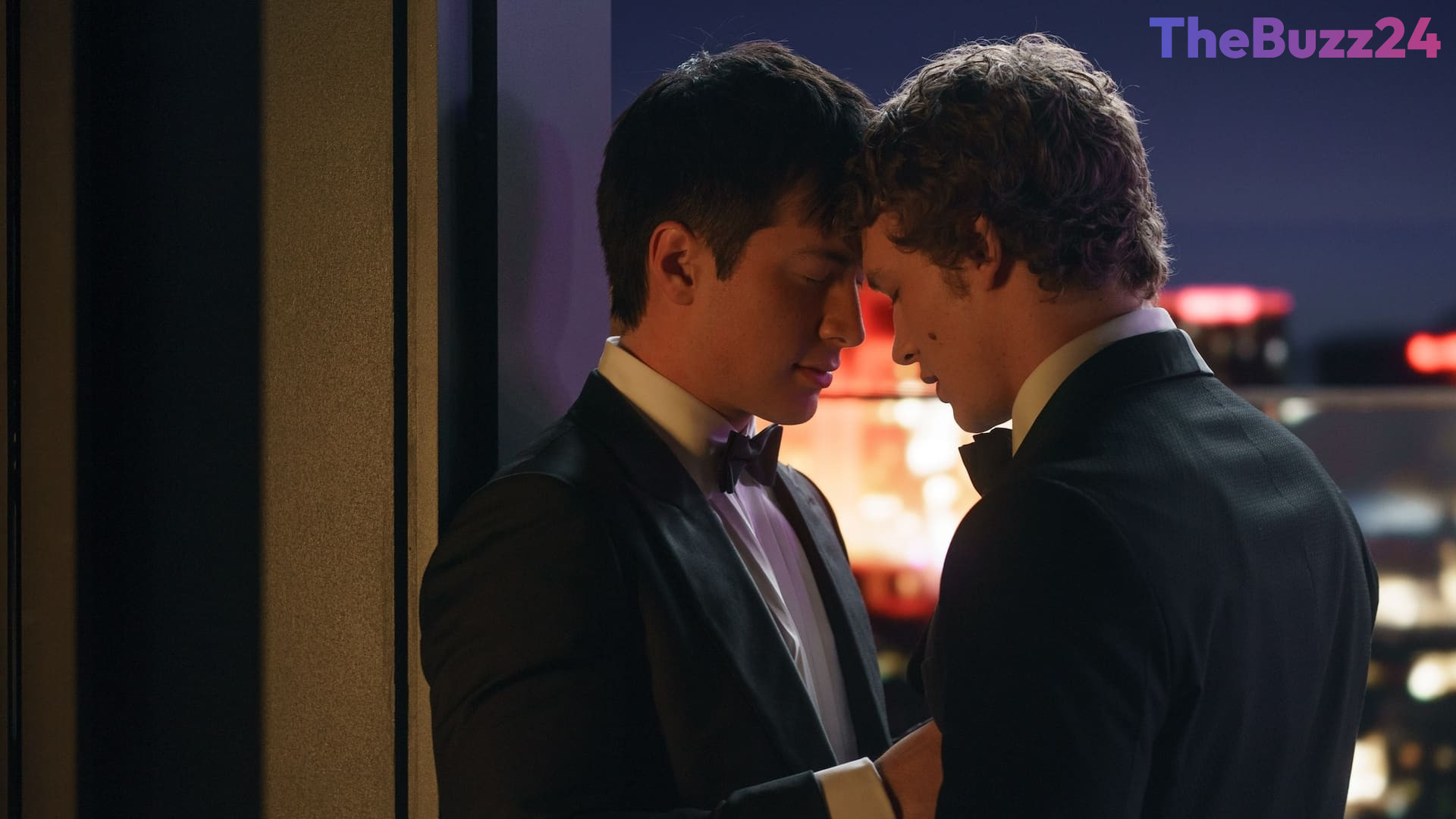
A massive surge in the popularity of male-to-male (M/M) romance stories has taken the entertainment industry by storm, catalyzed by breakout hits like the television series Heated Rivalry and the film adaptation of Red, White & Royal Blue. While stories focusing on gay male relationships have existed for decades—often rooted in international subgenres like “boy love” or “yaoi”—they have recently exploded into the Western mainstream. Interestingly, the primary demographic driving this cultural and commercial boom is straight women, who are consuming these narratives across books, television, and film in unprecedented numbers.
Industry data highlights the scale of this demographic shift. For instance, women make up approximately two-thirds of the viewership for the hit hockey-themed romance series Heated Rivalry. Similarly, major film and streaming releases like Call Me By Your Name and Amazon’s Red, White & Royal Blue have seen female viewership hover between 60% and 70%. This trend extends deeply into the publishing world, where authors like Rachel Reid are seeing their catalogs top digital reading charts, often outpacing traditional “romantasy” novels. Book discussion platforms and conventions have noted a massive influx of female fans sporting merchandise and driving viral word-of-mouth campaigns on social media platforms like TikTok.
Experts and readers suggest that the appeal lies in the emotional depth and authentic portrayal of romance within these stories. Without the traditional gender dynamics often found in heterosexual romance, M/M narratives allow female audiences to focus on themes of mutual respect, vulnerability, and intense emotional yearning. This shift is prompting Hollywood and major publishers to rethink their content strategies, with sequels already in development for several high-profile titles.
However, this mainstream commercial success contrasts with a more complex reality for LGBTQ+ representation. While specific M/M romance titles are thriving, advocacy groups note that overall LGBTQ+ representation in broader media has actually seen a decline in recent years, with fewer inclusive scripted films and characters on television. Nevertheless, the passionate, female-led fanbase for these stories suggests that the demand for authentic, diverse romance is here to stay, signaling a permanent shift in mainstream entertainment preferences.
Key Takeaways
- Straight women have emerged as the primary demographic driving the mainstream popularity of male-to-male (M/M) romance books, TV shows, and movies.
- Major releases like Heated Rivalry and Red, White & Royal Blue boast female viewership rates of over 60%, signaling a massive market shift.
- Despite the commercial success of specific M/M titles, overall LGBTQ+ representation in broader Hollywood media has experienced a recent decline.
Editor’s Analysis & Impact
The meteoric rise of male-to-male (M/M) romance among female consumers represents a significant paradigm shift for both the publishing and entertainment industries. Historically relegated to niche markets or specific international subcultures, this genre has proven its viability as a mainstream powerhouse capable of rivaling massive franchises like Twilight. For studios and publishers, the lesson is clear: audiences are hungry for high-stakes emotional depth and authentic character development, free from outdated gender tropes. Moving forward, we expect to see a surge in greenlit projects featuring diverse romantic leads, particularly in sports and political settings. However, the industry must balance this commercialization with genuine representation, ensuring that the broader LGBTQ+ community benefits from this trend rather than seeing their stories commodified solely for heterosexual female consumption.
Frequently Asked Questions
Q: Why are straight women drawn to male-to-male romance stories?
A: Many readers and viewers find that these stories offer a unique focus on emotional depth, vulnerability, and equality between partners, free from the traditional gender dynamics and power struggles often found in heterosexual romance.
Q: What are some of the most popular titles in this genre?
A: Key titles driving this trend include the television series Heated Rivalry (based on the books by Rachel Reid), the film and novel Red, White & Royal Blue, and classic mythological retellings like The Song of Achilles.
Q: Is overall LGBTQ+ representation in media growing alongside this trend?
A: Surprisingly, no. While specific M/M romance titles are achieving massive success, media monitoring organizations report that overall LGBTQ+ representation and the number of inclusive characters in mainstream television and film have actually declined recently.
AI Disclosure: This article is based on verified data and official reports. Our Team and AI have cross-referenced every financial detail with primary sources to ensure total accuracy.
More from this Category