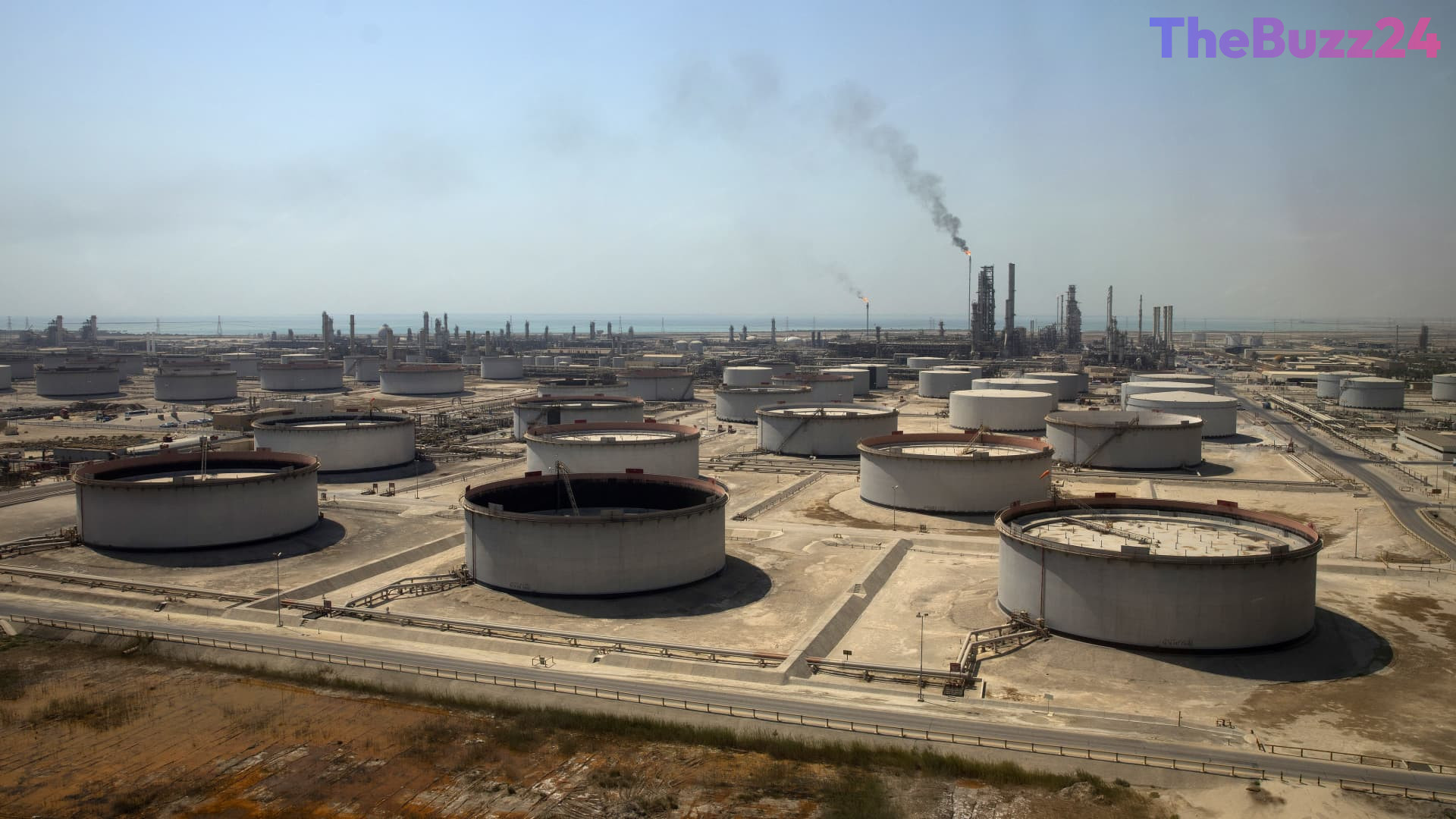
Saudi Aramco Restarts Key Ras Tanura Exports as Gulf Oil Flow Stabilizes
Saudi Aramco has officially resumed crude oil loadings at the Ras Tanura terminal, marking a significant milestone in the recovery of regional energy exports. Shipping data confirms that multiple Very Large Crude Carriers (VLCCs) have begun loading operations at the world’s largest oil port, signaling a return to operational normalcy after a four-month hiatus caused by regional conflict. The resumption of activity at Ras Tanura, which previously handled over 5 million barrels per day, is a critical step toward restoring global supply chains that were severely disrupted by the blockade of the Strait of Hormuz.
The restart comes amid a broader trend of increasing production across the Middle East. As tensions show signs of easing, major producers including Iraq, Qatar, Kuwait, and the United Arab Emirates have begun issuing tenders to move crude, while Iran has also ramped up export efforts following a temporary lifting of sanctions. Despite these positive developments, the security environment remains fragile; recent reports of an attack on a cargo ship in the Strait of Hormuz have underscored the ongoing risks to maritime transit in the region.
Market analysts observe that the influx of supply is already impacting global oil prices, which saw a decline as shipping volumes reached their highest levels since the conflict began. With shut-in production across the Gulf dropping from 11.7 million barrels per day to approximately 9.6 million in just three weeks, industry experts anticipate a continued recovery. While Saudi Aramco has not provided official commentary on the restart, the movement of tankers suggests a strategic push to regain market share as competition among regional producers intensifies.
Key Takeaways
- Saudi Aramco has resumed crude oil exports from the Ras Tanura terminal after a four-month suspension.
- Regional oil production is recovering rapidly, with shut-in capacity falling by over 2 million barrels per day in three weeks.
- Increased supply from Gulf producers and Iran is putting downward pressure on global oil prices.
Editor’s Analysis & Impact
The resumption of operations at Ras Tanura is a bellwether for the stabilization of the global energy market. The rapid recovery of over 2 million barrels per day of capacity suggests that the infrastructure in the Gulf is more resilient than initially feared. However, the market remains in a state of ‘fragile recovery.’ The interplay between increased supply and the potential for further geopolitical volatility in the Strait of Hormuz will likely keep oil prices sensitive to news headlines in the coming months. As producers compete for market share, we expect a period of aggressive pricing strategies, particularly from Saudi Aramco, to secure long-term contracts. The broader implication is a shift from a supply-constrained environment to one focused on managing the surplus as regional output returns to pre-conflict levels by year-end.
Frequently Asked Questions
Q: Why was the Ras Tanura terminal shut down?
A: The terminal was shut down as a precautionary measure due to the conflict in the region, which resulted in a blockade of the Strait of Hormuz and prevented safe tanker transit.
Q: What is the significance of the Ras Tanura terminal?
A: Ras Tanura is the world's largest oil port and a critical hub for Saudi Arabian exports, historically handling over 5 million barrels of crude per day.
AI Disclosure: This article is based on verified data and official reports. Our Team and AI have cross-referenced every financial detail with primary sources to ensure total accuracy.
More from this Category