Crude Oil Slips as Diminishing Global Demand Overtakes Middle East Supply Anxieties
Crude oil futures experienced a downward adjustment on Thursday, as market participants weighed projections of softening global consumption against persistent geopolitical supply risks in the Middle East. During early trading hours, front-month Brent crude contracts recorded a 1.4% decline to settle at $87.66 per barrel, while U.S. West Texas Intermediate futures saw a comparable 1.5% drop, trading at $82 per barrel.
The downward pressure follows recent assessments indicating that worldwide petroleum demand is on track to contract more sharply than earlier forecasts suggested. Analysts point to compounding factors, including regional maritime disruptions and ongoing logistical bottlenecks, which continue to constrain global energy flows. Despite supply levels remaining significantly lower compared to the same period last year, market sentiment has increasingly focused on the demand side of the economic equation.
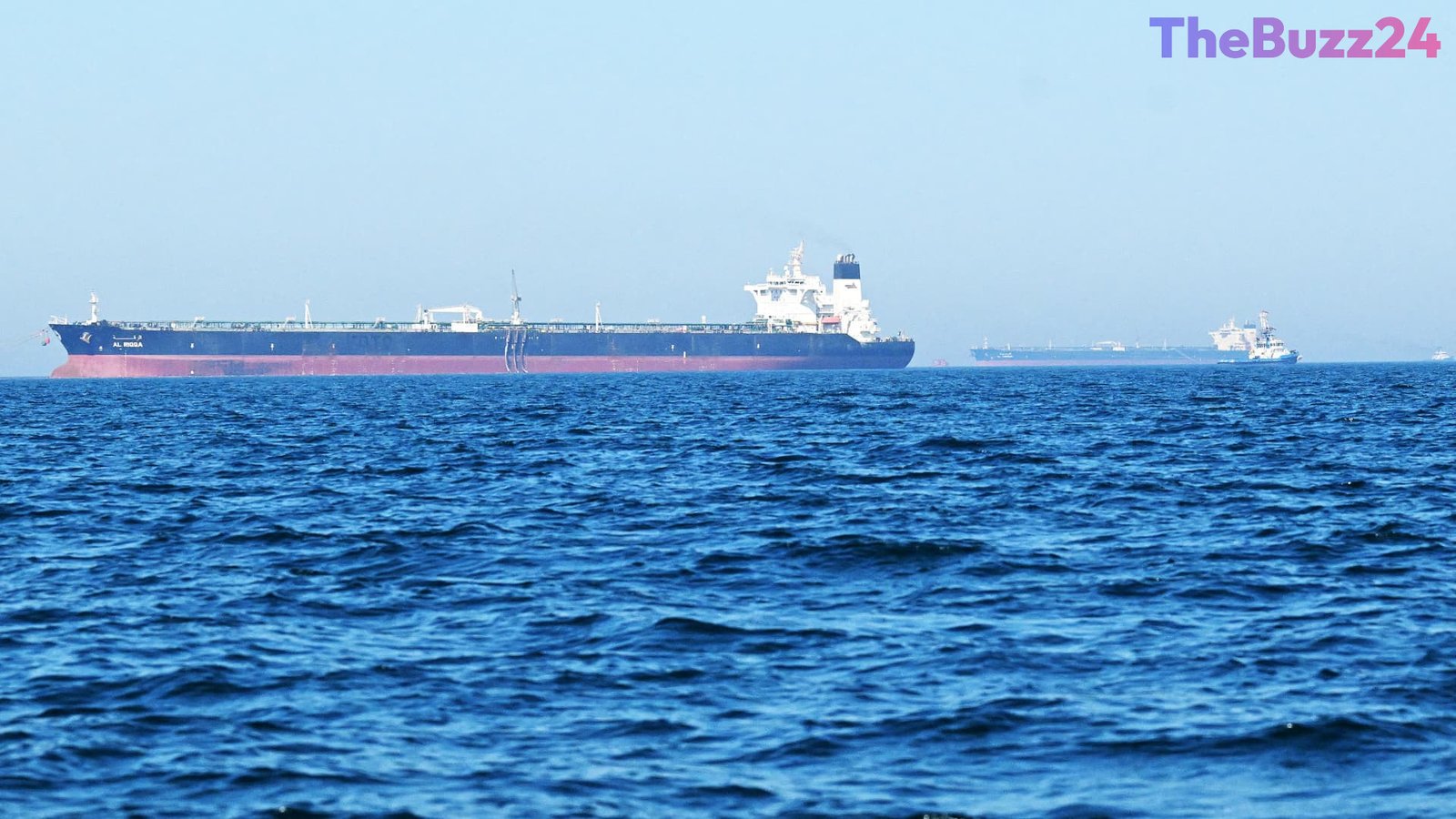
Simultaneously, environmental concerns have intensified following an ecological incident off the coast of Oman. A compromised tanker carrying sanctioned petroleum has been leaking crude near a sensitive coastal nature reserve, threatening local marine habitats and vulnerable wildlife populations. This environmental crisis coincides with ongoing security incidents affecting commercial shipping lanes in the Red Sea and the Gulf of Oman, keeping traders on high alert regarding potential delivery delays.
Energy sector strategists note that the absence of a clear timeline for fully restoring traffic through critical maritime chokepoints leaves the petroleum market in a precarious balance. While diplomatic initiatives aim to ease transit restrictions, the lingering uncertainty ensures that energy pricing remains highly sensitive to any sudden operational setbacks or geopolitical escalations.
Key Takeaways
- Brent crude and WTI futures both dropped on Thursday amid growing concerns over weakening global oil demand.
- A massive oil spill from a leaking tanker off the coast of Oman has threatened local marine wildlife reserves.
- Ongoing security threats and shipping attacks in the Red Sea and Gulf of Oman continue to cause supply chain anxieties.
Editor’s Analysis & Impact
The current oil market reflects a classic tug-of-war between macroeconomic demand destruction and acute geopolitical risk premiums. While energy demand projections are cooling due to broader economic headwinds, supply-side vulnerabilities—exacerbated by maritime conflicts and environmental incidents near critical shipping routes—prevent a more aggressive sell-off. In the short term, traders should anticipate heightened volatility. Any unexpected resolution or worsening of maritime bottlenecks in the Middle East could trigger sharp, asymmetric price movements. For long-term industry outlooks, the intersection of tightened supply constraints and fragile environmental ecosystems highlights the delicate balance energy markets must maintain amid shifting geopolitical landscapes.
Frequently Asked Questions
Q: Why did oil prices fall despite ongoing Middle East tensions?
A: Oil prices declined because market investors placed a heavier weight on projections of falling global energy demand, which offset the bullish pressure from regional supply disruptions.
Q: What is happening off the coast of Oman?
A: A leaking tanker carrying sanctioned oil ran aground and is currently leaking crude near a sensitive coastal nature reserve that houses endangered marine wildlife.
Q: How are major crude benchmarks performing?
A: Front-month Brent crude futures fell 1.4% to $87.66 a barrel, while U.S. West Texas Intermediate futures dropped 1.5% to $82 a barrel during Thursday trading.
AI Disclosure: This article is based on verified data and official reports. Our Team and AI have cross-referenced every financial detail with primary sources to ensure total accuracy.
More from this Category