OpenAI Poaches Apple’s Vision Pro Lead Paul Meade as Hardware Ambitions Grow
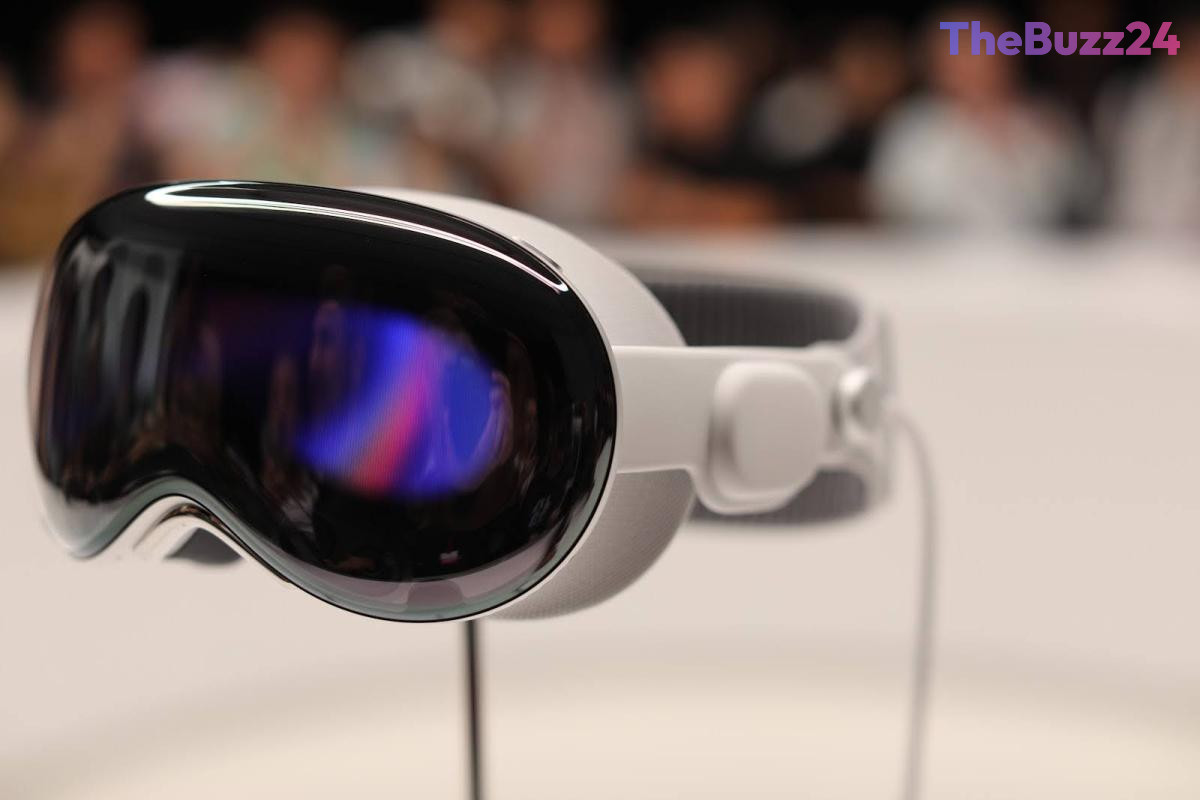
In a significant talent shift within the tech industry, Paul Meade, the Apple vice president who oversaw the development of the Vision Pro headset, is departing the tech giant to join OpenAI’s hardware division. Meade’s exit comes at a critical juncture for Apple, where he was also spearheading the development of upcoming AI-powered smart glasses designed to compete with rival wearable devices, such as those from Meta.
Internal restructuring at Apple appears to have influenced the high-profile departure. Reports suggest that hardware engineering chief John Ternus, who is widely expected to eventually succeed as Apple’s CEO, has been reorganizing the hardware division. This shakeup has reportedly led to shifts in responsibilities that left several vice presidents feeling sidelined or effectively demoted, prompting talent to look elsewhere.
For OpenAI, securing Meade is a major coup as the artificial intelligence firm expands its footprint into physical consumer tech. OpenAI has already been collaborating with legendary former Apple designer Jony Ive on a novel AI-driven hardware device. OpenAI CEO Sam Altman has previously hinted at a device designed to offer a more serene user experience than traditional smartphones, though bringing such a product to market has reportedly faced development hurdles. Meade’s deep hardware expertise could be the catalyst OpenAI needs to realize its physical product ambitions.
Key Takeaways
- Paul Meade, Apple's VP of Vision Pro and smart glasses development, is leaving the company to join OpenAI's hardware team.
- The departure coincides with an internal hardware team restructuring at Apple led by John Ternus, who is poised to eventually become CEO.
- OpenAI continues to bolster its hardware ambitions, adding Meade to a team that is also collaborating with former Apple design chief Jony Ive.
Editor’s Analysis & Impact
Paul Meade’s transition from Apple to OpenAI underscores a broader shift in the tech landscape, where artificial intelligence companies are increasingly eager to build their own proprietary hardware. While OpenAI has dominated the software and LLM space, translating that success into consumer electronics requires specialized hardware expertise—something Apple has mastered over decades. By poaching top-tier talent like Meade and collaborating with Jony Ive, OpenAI is signaling that it wants to control the entire user experience, bypassing traditional smartphone ecosystems. For Apple, losing the lead architect of its mixed-reality and smart glasses initiatives is a notable setback, especially as it struggles to find mainstream traction for the high-priced Vision Pro. This executive migration suggests that the next major battleground in tech will not just be about who has the smartest AI, but who can build the most seamless physical device to deliver it.
Frequently Asked Questions
Q: Why is Paul Meade leaving Apple?
A: Meade is reportedly leaving Apple following an internal restructuring of the hardware engineering department led by John Ternus, which left some executives feeling sidelined. He is joining OpenAI to work on their hardware initiatives.
Q: What projects was Meade leading at Apple?
A: Meade was the vice president in charge of the Vision Pro headset and was also leading the development of Apple's upcoming AI-powered smart glasses.
Q: What is OpenAI's hardware strategy?
A: OpenAI is actively exploring consumer hardware, collaborating with former Apple designer Jony Ive on a new AI-centric device aimed at providing a more seamless and less intrusive user experience than modern smartphones.
AI Disclosure: This article is based on verified data and official reports. Our Team and AI have cross-referenced every financial detail with primary sources to ensure total accuracy.
More from this Category