Tesla Under Scrutiny as Autonomous Driving Safety Concerns Mount
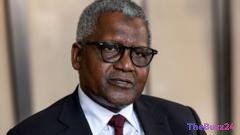
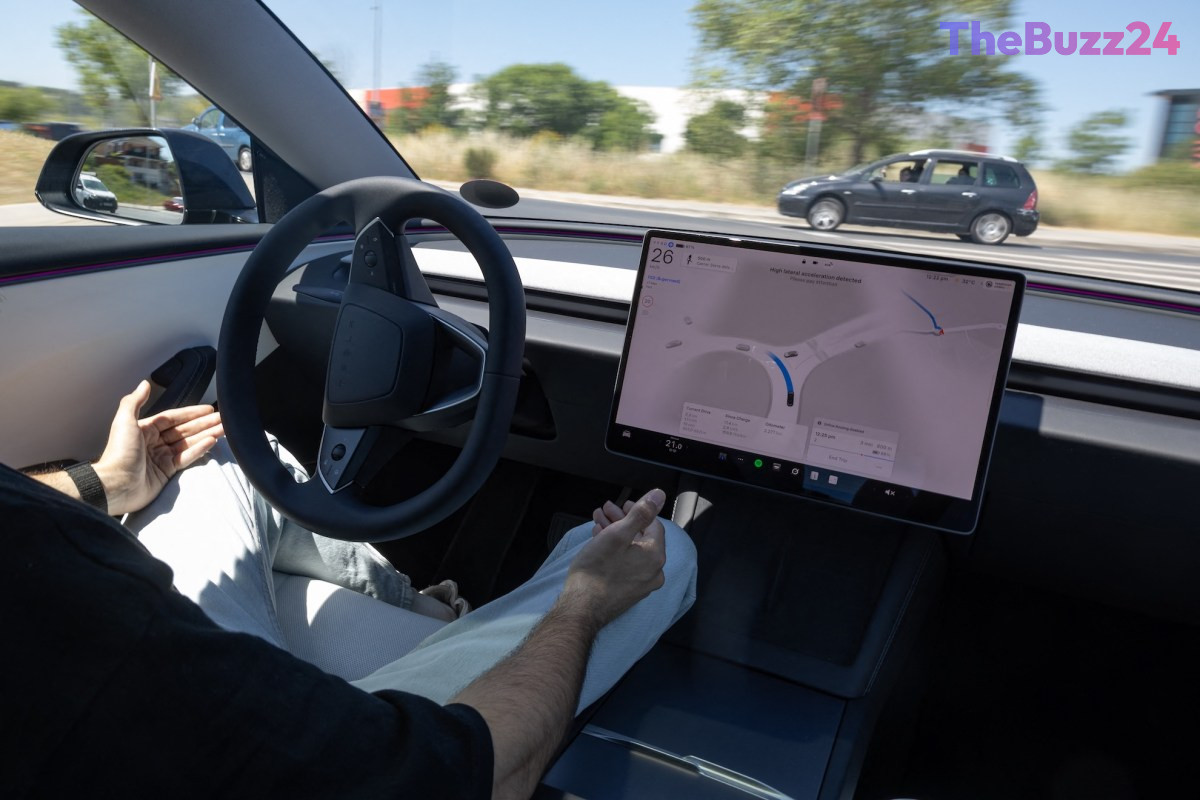
Tesla is facing heightened regulatory and public scrutiny regarding its Full Self-Driving (Supervised) technology following a series of high-profile incidents. Federal investigators from the National Highway Traffic Safety Administration (NHTSA) and the National Transportation Safety Board (NTSB) have launched inquiries into a fatal crash in Texas involving a Tesla vehicle. While the driver initially claimed a driver-assistance system was active, Tesla’s vice president of AI software, Ashok Elluswamy, disputed this, asserting that the driver manually accelerated into a residential area. The lack of an independent investigation leaves the exact circumstances of the incident in question, though it underscores the growing tension between Tesla’s marketing of its AI-driven systems and real-world safety outcomes.
Beyond the Texas incident, Tesla recently settled a lawsuit related to a separate 2023 fatal crash. This case is tied to a broader federal investigation examining whether Tesla’s software can effectively navigate challenging environmental conditions, such as heavy fog, sun glare, or dust. These legal and regulatory hurdles arrive at a critical juncture for the company, which is increasingly pivoting its corporate identity toward AI and robotics. As FSD (Supervised) remains the company’s most prominent revenue-generating product in this sector, the outcome of these investigations could have significant implications for the future of its autonomous vehicle strategy.
Meanwhile, the broader autonomous vehicle industry continues to evolve rapidly. Waymo is aggressively expanding its robotaxi operations, with research indicating the company is on track to import thousands of specialized vehicles into the U.S. this year. Simultaneously, other players in the space are navigating complex regulatory landscapes, including new federal proposals that may eventually allow for the removal of brake pedals in fully autonomous vehicles. As companies like Waymo, Zoox, and others scale their fleets, the industry remains locked in a high-stakes race to prove that automated systems can meet the rigorous safety standards required for public adoption.
Key Takeaways
- Federal regulators are investigating multiple fatal crashes involving Tesla vehicles to determine the role of automated driving software.
- Tesla is facing legal challenges regarding the efficacy of its FSD (Supervised) system in adverse weather and visibility conditions.
- Competitors like Waymo are scaling their robotaxi fleets, while the industry awaits potential regulatory shifts regarding vehicle design requirements.
Editor’s Analysis & Impact
The current climate surrounding autonomous vehicle development is characterized by a stark divide between rapid technological scaling and the slow, deliberate pace of regulatory oversight. Tesla’s pivot toward an AI-first company makes the performance and safety of its FSD software a existential pillar for its valuation. However, the increasing frequency of federal investigations suggests that the ‘move fast and break things’ ethos of Silicon Valley is hitting a wall of public safety concerns. If regulators impose stricter mandates on sensor suites—such as requiring lidar or radar—Tesla’s camera-only approach could face significant headwinds. Conversely, the expansion of Waymo’s fleet indicates that the industry is maturing, but the path to mass adoption remains contingent on proving long-term reliability and securing public trust through transparent safety data.
Frequently Asked Questions
Q: What is the primary focus of the current NHTSA investigations into Tesla?
A: The investigations are focused on determining whether Tesla's Full Self-Driving (Supervised) system can accurately detect and respond to environmental hazards like sun glare, fog, and dust, as well as investigating the circumstances of specific fatal crashes.
Q: How does Waymo’s approach to autonomous vehicles differ from Tesla’s?
A: Waymo utilizes a multi-sensor approach, incorporating lidar, radar, and cameras to navigate, whereas Tesla relies primarily on a camera-based vision system for its FSD technology.
AI Disclosure: This article is based on verified data and official reports. Our Team and AI have cross-referenced every financial detail with primary sources to ensure total accuracy.
More from this Category