Major Egg Producers Reach Multi-Million Dollar Settlement Over Price-Fixing Allegations
Three of the nation’s largest egg producers—Cal-Maine Foods, Versova, and Hickman’s Egg Ranch—have agreed to a settlement with the Department of Justice and a coalition of 17 state attorneys general to resolve allegations of illegal price manipulation. The agreement, which still requires federal judicial approval, mandates that the companies pay a combined $3.3 million in financial penalties and donate 53 million eggs to food banks and non-profit organizations. This resolution follows an extensive investigation into claims that the producers coordinated to artificially inflate egg prices between June 2022 and March 2025.
The investigation centered on allegations that the companies secretly communicated to influence the daily egg price index published by Urner Barry, a benchmark frequently used in industry supply contracts. Authorities argued that this collusion contributed to the severe affordability crisis faced by American consumers during a period of record-high inflation. While the companies have agreed to the settlement to resolve the litigation, they have largely denied any wrongdoing, maintaining that price spikes were primarily driven by external factors such as the COVID-19 pandemic, severe weather, and devastating outbreaks of avian influenza that significantly reduced the national supply of egg-laying hens.
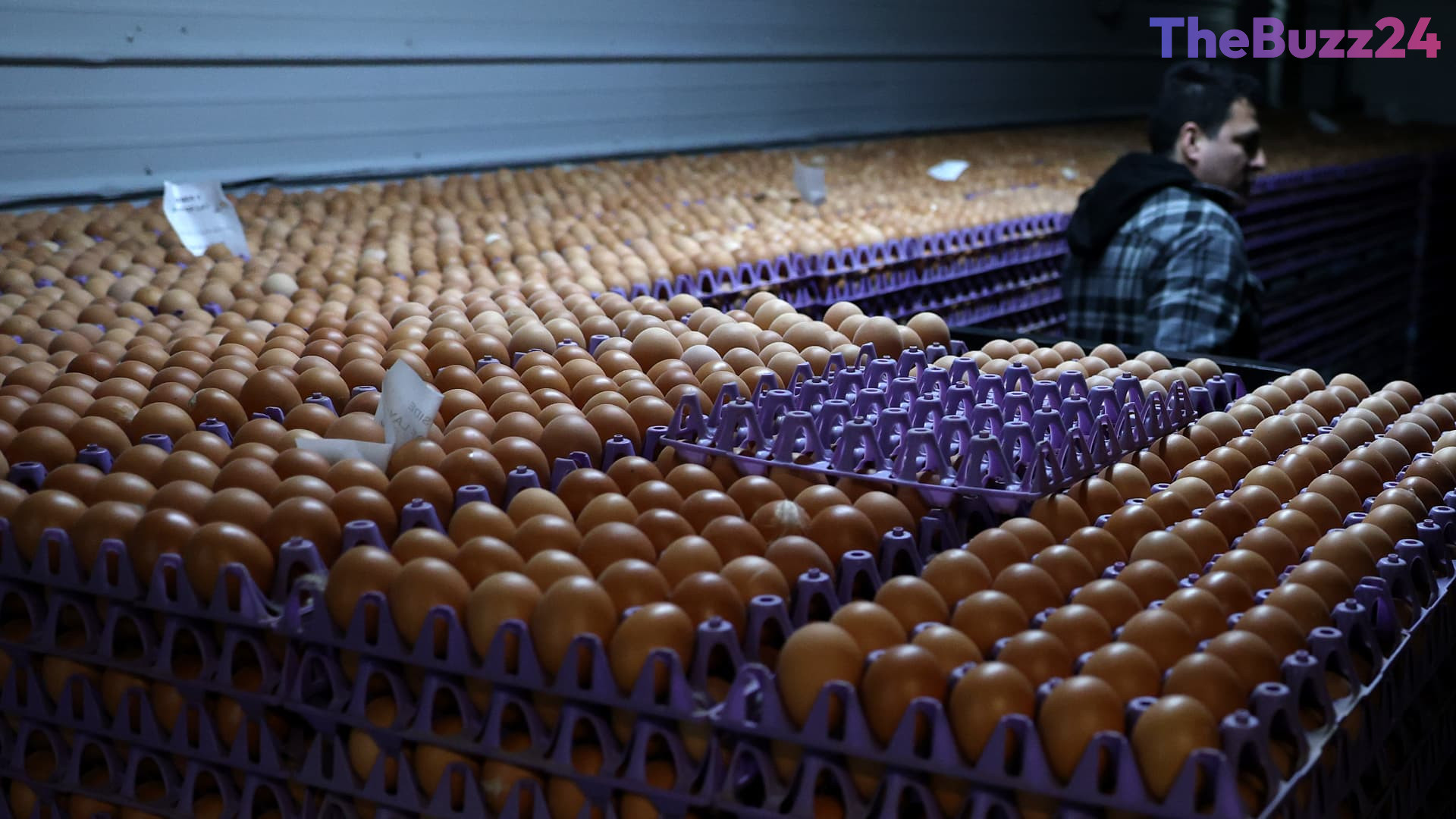
As part of the proposed settlement, the companies have committed to implementing rigorous antitrust compliance programs and appointing dedicated compliance officers to prevent future anti-competitive behavior. The donation of 53 million eggs, estimated to be worth nearly $10 million at current retail prices, is intended to provide relief to communities impacted by the high cost of essential food items. The settlement marks a significant step in federal efforts to address food affordability and ensure transparency in the agricultural supply chain.
Key Takeaways
- Cal-Maine Foods, Versova, and Hickman's Egg Ranch will pay $3.3 million and donate 53 million eggs to settle price-fixing allegations.
- The DOJ and 17 states alleged the companies coordinated to inflate egg prices by manipulating a widely used industry benchmark.
- The companies deny wrongdoing, attributing historical price surges to avian flu outbreaks and supply chain disruptions rather than collusion.
Editor’s Analysis & Impact
This settlement highlights the increasing scrutiny federal regulators are placing on the food and agriculture sector regarding price transparency and antitrust compliance. By targeting the manipulation of industry benchmarks, the DOJ is signaling a broader intent to protect consumers from artificial inflation in essential goods. While the companies involved have framed the settlement as a strategic move to avoid prolonged litigation costs, the requirement for ongoing antitrust monitoring suggests a permanent shift in how these firms must operate. For the industry, this sets a precedent that supply-side shocks, such as avian flu, will not be accepted as a blanket defense if there is evidence of coordinated market behavior. Future market outlooks suggest that regulators will continue to monitor commodity pricing indices closely to ensure that supply chain volatility is not being exploited for illicit profit margins.
Frequently Asked Questions
Q: What were the egg producers accused of doing?
A: The producers were accused of secretly communicating to artificially inflate the daily egg price index, which is a benchmark used in many industry supply contracts.
Q: How will the settlement benefit the public?
A: Beyond the $3.3 million in fines, the companies are required to donate 53 million eggs to food banks and implement strict antitrust compliance programs to prevent future price manipulation.
AI Disclosure: This article is based on verified data and official reports. Our Team and AI have cross-referenced every financial detail with primary sources to ensure total accuracy.
More from this Category