Jared Kushner Holds High-Level Talks with Hamas in Egypt to Advance Gaza Peace Initiative
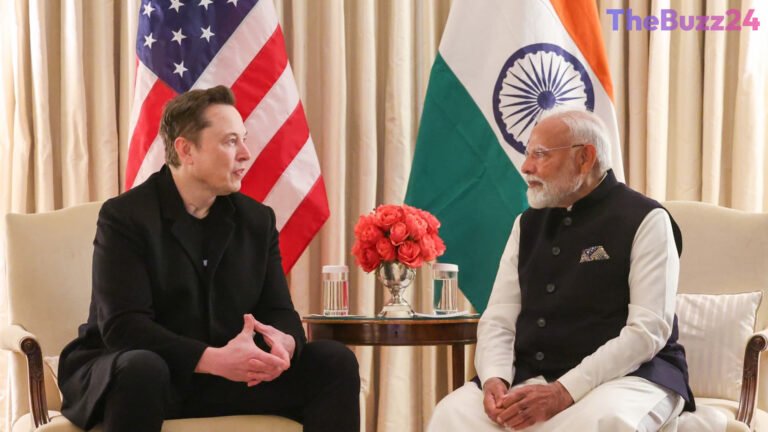
In a significant diplomatic development, Jared Kushner, serving as the United States Middle East envoy, has engaged in rare direct discussions with Hamas leadership in Egypt. The meetings centered around the implementation of a comprehensive, US-backed peace proposal for the Gaza Strip, involving key international mediators and regional stakeholders.
The discussions in Egypt included a delegation led by Hamas’s newly appointed leader, Khalil al-Hayya, alongside international envoys such as Nickolay Mladenov and former British Prime Minister Tony Blair. Representatives from regional mediating nations, including Egypt, Qatar, and Turkey, were also present to address critical aspects of the agreement, which encompasses the decommissioning of armed groups, the phased withdrawal of Israeli forces, and expansive humanitarian reconstruction efforts.
Simultaneously, regional tensions remain high following Israel’s initial rejection of the 15-point peace framework proposed by the international Board of Peace. While eight Muslim-majority nations recently issued a joint condemnation of the Israeli stance, citing threats to ongoing stability efforts, diplomatic pressure continues to mount. Kushner also held separate talks with Egyptian President Abdel Fattah al-Sisi as part of a broader regional tour aimed at bridging gaps between the involved parties and salvaging the fragile ceasefire.
Key Takeaways
- US envoy Jared Kushner met with Hamas leader Khalil al-Hayya in Egypt for high-level talks on the Gaza peace plan.
- The discussions included international figures like Tony Blair and Nickolay Mladenov, focusing on disarmament and humanitarian efforts.
- Israel has previously rejected the 15-point peace proposal, demanding full Hamas disarmament prior to any military withdrawal.
Editor’s Analysis & Impact
The high-stakes diplomatic intervention by US representatives highlights the intense international pressure to find a permanent resolution to the prolonged Gaza conflict. While the ongoing ceasefire largely holds, the deep divide between the Israeli government’s security demands and the international Board of Peace’s framework poses a significant hurdle. Israel’s insistence on prior and complete disarmament before entertaining troop withdrawals contrasts sharply with the multi-step concessions envisioned by mediators. The inclusion of regional powers such as Egypt, Qatar, and Turkey is vital for enforcing any lasting compliance. Moving forward, the success of these negotiations will heavily depend on whether back-channel diplomacy can reconcile these fundamentally opposed positions without triggering a collapse of the current fragile truce, which would otherwise devastate regional economic and security outlooks.
Frequently Asked Questions
Q: Who participated in the recent talks in Egypt regarding Gaza?
A: The meetings involved US envoy Jared Kushner, Hamas leader Khalil al-Hayya, international envoys Nickolay Mladenov and Tony Blair, alongside representatives from Egypt, Qatar, and Turkey.
Q: What is Israel's stance on the current peace proposal?
A: Israel has rejected the 15-point plan proposed by the Board of Peace, maintaining that the Israel Defense Forces will not withdraw until Hamas is fully disarmed.
Q: What are the core components of the US-backed peace plan?
A: The plan focuses on the complete disarmament of Hamas and other armed groups, the withdrawal of Israeli troops from Gaza, and the initiation of large-scale humanitarian reconstruction under a new civilian Palestinian administration.
AI Disclosure: This article is based on verified data and official reports. Our Team and AI have cross-referenced every financial detail with primary sources to ensure total accuracy.
More from this Category