Market Panic Overblown: Why the Risk of a Taiwan Strait Conflict is Overpriced
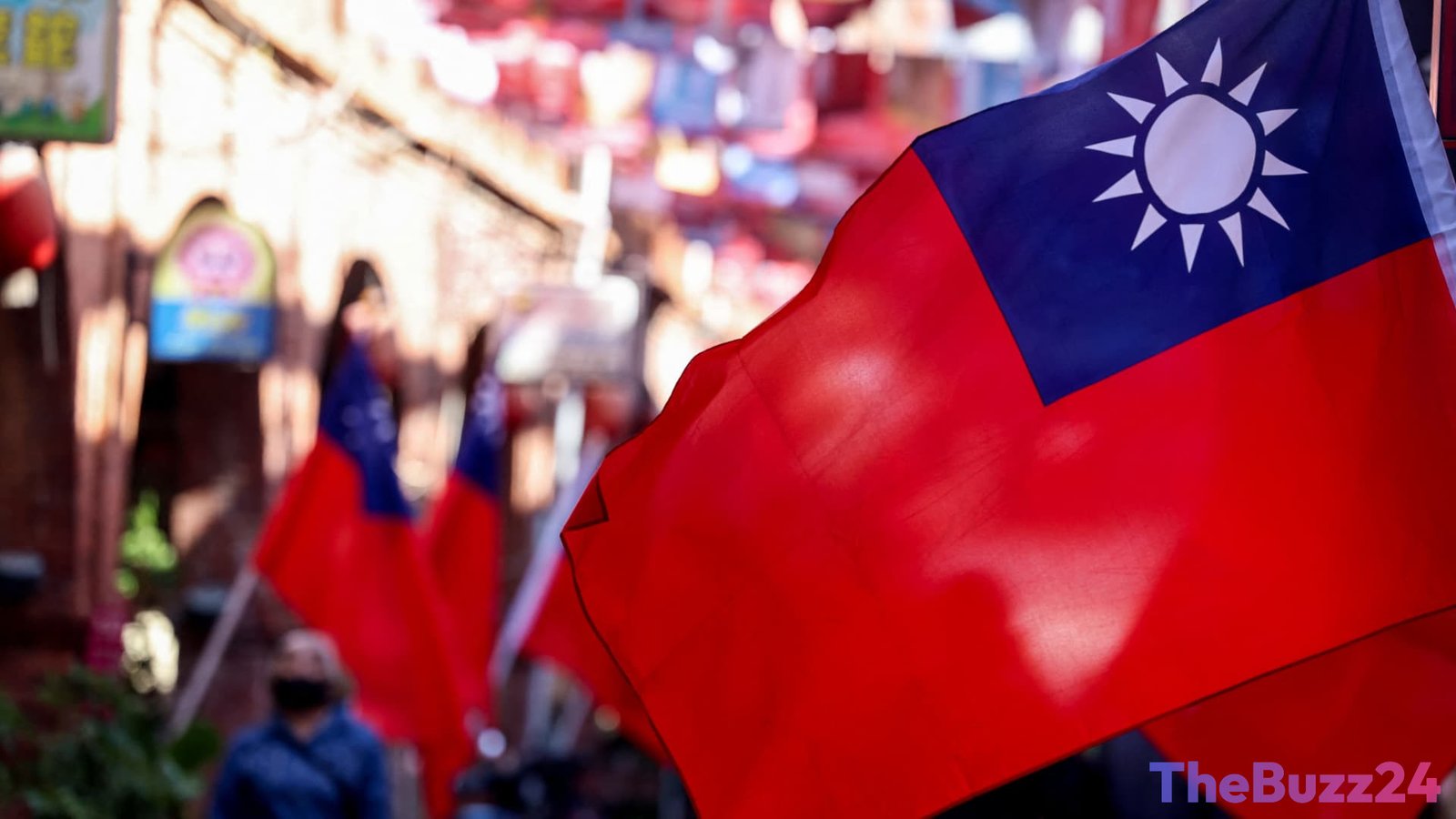
Global investors may be overestimating the likelihood of a military conflict in the Taiwan Strait, according to Michael DeSombre, the U.S. Assistant Secretary of State for East Asian and Pacific affairs. Speaking at the Milken Institute Asia Summit, DeSombre emphasized that robust deterrence strategies and the threat of severe international consequences are highly effective in preventing Beijing from attempting a forced unification with Taiwan. Despite widespread anxiety in global markets, he suggested that the actual risk of an imminent outbreak of hostilities is significantly lower than current market pricing reflects.
While Washington has previously highlighted Beijing’s directive for the People’s Liberation Army to be combat-ready by 2027, Chinese leadership has never publicly confirmed this timeline. DeSombre characterized Chinese President Xi Jinping as a rational decision-maker who understands the immense costs of military action. He noted that as long as the United States and its regional allies maintain a credible deterrent, Beijing will likely refrain from taking steps that would trigger devastating geopolitical and economic repercussions.
The geopolitical tension comes amid escalating military posturing, with Chinese naval vessels increasingly spotted near Taiwan’s coast. Concurrently, Beijing has sought to influence Taiwan’s domestic politics ahead of its upcoming elections. Despite these maneuvers, diplomatic engagements continue. Following a high-profile summit between U.S. President Donald Trump and President Xi Jinping, Taiwanese Foreign Minister Lin Chia-lung visited Arizona to mark the opening of a new de facto consulate in Phoenix, highlighting the deepening ties between Washington and Taipei.
Taiwan remains a critical hub for the global economy, particularly due to its dominance in semiconductor manufacturing. Taiwan Semiconductor Manufacturing Company (TSMC) has committed tens of billions of dollars to build advanced chip fabrication facilities in Arizona, supported by substantial U.S. government subsidies. This economic interdependence further raises the stakes of any potential conflict, reinforcing the mutual interest of all major global powers to maintain stability in the region.
Key Takeaways
- U.S. Assistant Secretary of State Michael DeSombre asserts that investors are overestimating the geopolitical risk of a military conflict over Taiwan.
- Strong deterrence from the U.S. and its allies, combined with the rational decision-making of Chinese President Xi Jinping, is expected to prevent escalation.
- Taiwan's critical role in global semiconductor manufacturing, highlighted by TSMC's multi-billion-dollar investments in Arizona, underscores the high economic stakes of regional stability.
Editor’s Analysis & Impact
The assertion that markets are overpricing the risk of a Taiwan conflict offers a reassuring perspective for global supply chains, particularly the semiconductor industry. Taiwan’s TSMC is the linchpin of global technology, and any disruption would trigger a catastrophic economic shockwave. By framing Chinese leadership as rational actors responsive to deterrence, this perspective suggests that the current risk premium embedded in global tech stocks and East Asian equities may be inflated. However, while deterrence remains effective, the ongoing military posturing by Beijing and the strategic relocation of chip manufacturing to the U.S. indicate that long-term hedging strategies will continue. Investors should balance short-term market anxieties with the structural reality that both Washington and Beijing have immense economic incentives to avoid direct confrontation.
Frequently Asked Questions
Q: Why do experts believe the risk of conflict in Taiwan is being overpriced by investors?
A: Experts argue that both the U.S. and China are highly motivated to avoid direct conflict. Credible deterrence strategies and the threat of severe economic and political consequences act as strong deterrents for Beijing, making a rational military move highly unlikely.
Q: What role does the semiconductor industry play in Taiwan's geopolitical security?
A: Taiwan is the world's leading producer of advanced computer chips. This 'silicon shield' makes the island indispensable to the global economy. Companies like TSMC are expanding operations globally, including major investments in the U.S., which further aligns international interests with Taiwan's stability.
Q: Is there an official timeline for a potential Chinese intervention in Taiwan?
A: While U.S. intelligence has noted that Beijing instructed its military to be prepared for potential action by 2027, China has never publicly confirmed or acknowledged this timeline.
AI Disclosure: This article is based on verified data and official reports. Our Team and AI have cross-referenced every financial detail with primary sources to ensure total accuracy.
More from this Category