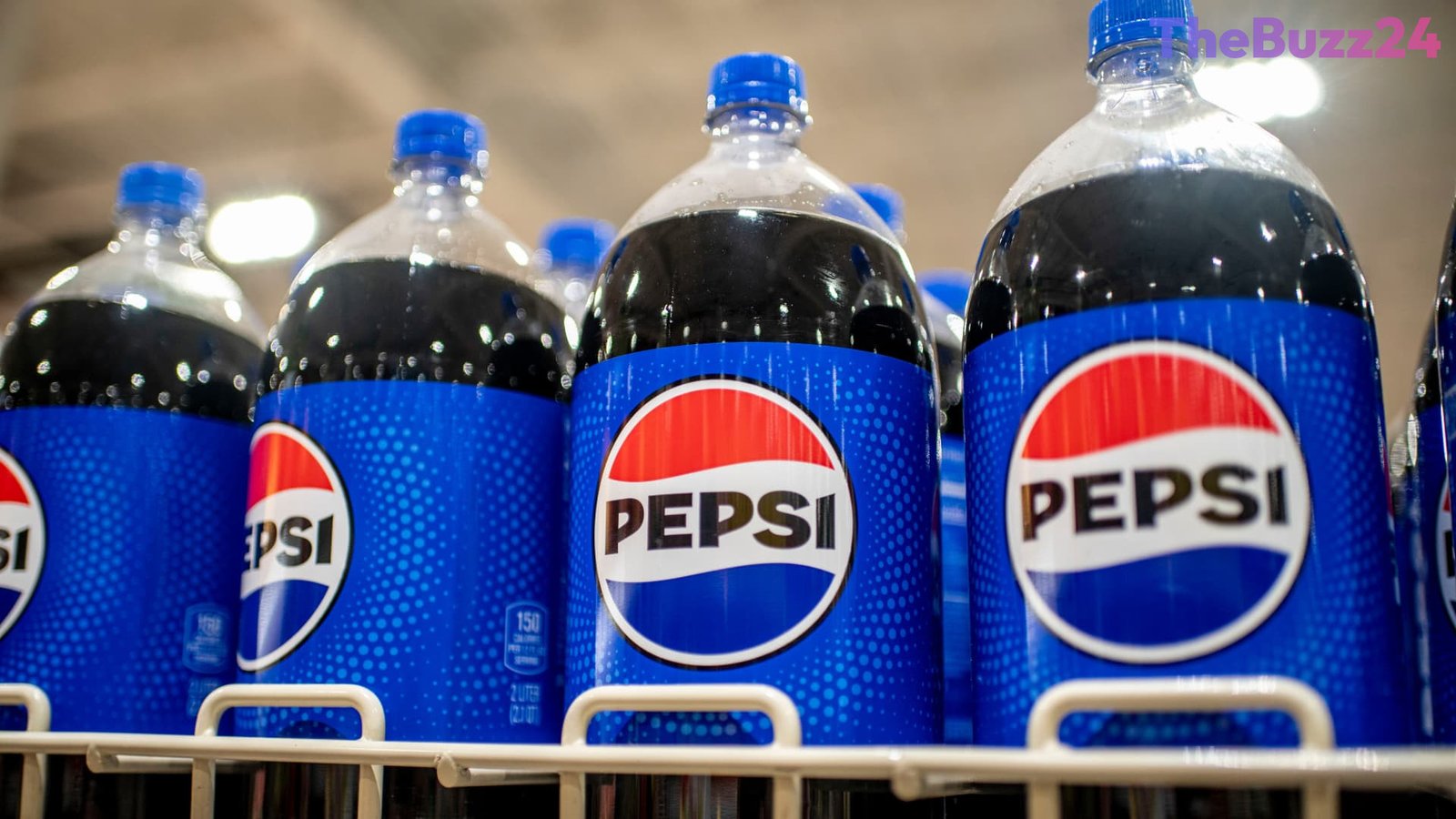
PepsiCo Shares Rally as Investors Look Past Profit Guidance Cuts
PepsiCo shares saw a notable 3% increase following the company’s third-quarter earnings report, despite management’s decision to lower its full-year profit forecast. While the beverage and snack giant acknowledged that rising operational costs and strategic investments are currently weighing on margins, the market responded positively to better-than-expected revenue figures and signs of improving sales momentum.
The company’s decision to slash its earnings growth outlook—now projected at 2.5% to 3.5% compared to the previous 5% to 7%—was largely anticipated by analysts. Investors appear to be prioritizing the company’s commitment to reinvesting in advertising, product innovation, and competitive pricing strategies. These initiatives are designed to stimulate demand in a challenging economic environment, and early data suggests they are beginning to yield results, with organic revenue growth of 3.1% exceeding consensus estimates.
Despite the recent rally, PepsiCo continues to navigate a complex landscape. The stock has faced significant pressure since mid-2023, driven by concerns over inflation, fluctuating interest rates, and the potential impact of GLP-1 weight-loss medications on consumer snacking habits. While the company is not yet clear of these secular headwinds, the current valuation and a dividend yield of approximately 4.61% have provided a floor for the stock, which had previously hit its lowest levels since 2020.
CEO Ramon Laguarta emphasized that the organization is moving with urgency to bolster performance, particularly within the North American market. By identifying further cost-reduction measures to fund growth, the company aims to balance short-term margin compression with long-term market share retention. For now, the market seems willing to reward the company for its transparency and proactive efforts to stabilize its core business.
Key Takeaways
- PepsiCo shares rose 3% despite a downward revision of its full-year profit guidance.
- Organic revenue growth of 3.1% beat analyst expectations, signaling that strategic investments in marketing and innovation are gaining traction.
- The company is balancing margin pressure from inflation and operational costs with aggressive efforts to revitalize its North American performance.
Editor’s Analysis & Impact
The market’s reaction to PepsiCo’s earnings highlights a shift in investor sentiment: the appetite for ‘priced-in’ bad news is currently high. By lowering guidance, PepsiCo has effectively reset expectations, allowing the market to focus on the company’s underlying revenue strength rather than its bottom-line volatility. The broader implication for the consumer staples sector is that companies must now choose between protecting margins or aggressively defending market share through reinvestment. PepsiCo has clearly chosen the latter. While the threat of GLP-1 drugs remains a long-term structural risk for the snack industry, the stock’s current valuation and attractive dividend yield suggest that it is increasingly viewed as a defensive play for value-oriented investors who believe the worst of the inflationary cycle has passed.
Frequently Asked Questions
Q: Why did PepsiCo's stock rise after cutting its profit guidance?
A: The stock rose because the guidance cut was widely expected by the market, and investors were more focused on the company's better-than-expected revenue growth and its proactive strategy to invest in future demand.
Q: What are the primary challenges currently facing PepsiCo?
A: PepsiCo is dealing with rising operational costs, inflation, high interest rates, and shifting consumer habits, including concerns about how the popularity of GLP-1 weight-loss drugs might affect long-term snack consumption.
AI Disclosure: This article is based on verified data and official reports. Our Team and AI have cross-referenced every financial detail with primary sources to ensure total accuracy.
More from this Category