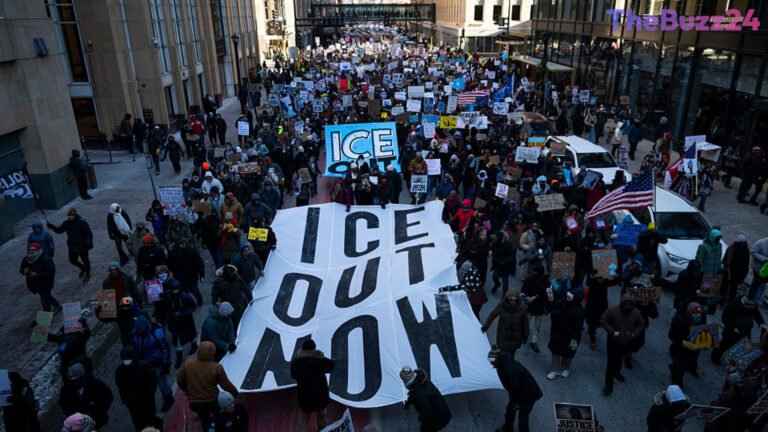
Supreme Court Reaffirms Constitutional Birthright Citizenship
The United States Supreme Court has issued a definitive ruling upholding the long-standing principle of birthright citizenship, effectively rejecting efforts to alter the interpretation of the 14th Amendment. In a 6-3 decision, the Court affirmed that children born on U.S. soil are citizens at birth, regardless of the immigration status or legal standing of their parents. Chief Justice John Roberts, writing for the majority, emphasized that the constitutional promise of citizenship remains a fundamental right for every person born within the nation’s jurisdiction.
The legal challenge centered on an executive order that sought to restrict citizenship for children of undocumented immigrants and temporary visitors. Proponents of the order argued that the phrase “subject to the jurisdiction thereof” in the 14th Amendment should exclude individuals without permanent legal status. However, the Court maintained that the amendment, ratified in the aftermath of the Civil War to ensure equal rights, continues to serve as the bedrock for American citizenship, protecting the rights of all individuals born within the country’s borders.
While the majority opinion underscored the historical and legal necessity of maintaining this standard, the decision faced dissent from Justices Clarence Thomas, Neil Gorsuch, and Samuel Alito. The dissenting justices expressed concerns regarding the broad application of the amendment, suggesting that the current interpretation extends citizenship beyond the original intent of the framers. Despite this opposition, the ruling stands as a significant judicial confirmation of a policy that has been in effect since 1868.
Following the announcement, the decision drew polarized reactions from political leaders and civil rights advocates. Supporters of the ruling hailed it as a victory for constitutional integrity and human rights, asserting that it preserves the inclusive nature of American identity. Conversely, critics of the decision have signaled their intent to pursue legislative avenues to address the issue, indicating that the debate over immigration policy and the definition of citizenship will likely remain a central theme in national political discourse.
Key Takeaways
- The Supreme Court ruled 6-3 that the 14th Amendment guarantees citizenship to all children born on U.S. soil, regardless of parental status.
- The decision effectively nullifies executive attempts to restrict birthright citizenship through administrative orders.
- While the ruling settles the current constitutional question, political opposition remains, with calls for potential legislative action to address the policy.
Editor’s Analysis & Impact
This Supreme Court ruling serves as a major stabilizing force for U.S. immigration law, reinforcing a precedent that has stood for over 150 years. By rejecting the attempt to redefine the 14th Amendment via executive order, the Court has signaled a high threshold for altering fundamental constitutional rights. From a market and industry perspective, this provides legal certainty for businesses and social institutions that rely on stable definitions of citizenship for labor, education, and social services. However, the dissent from three justices and the vocal opposition from political figures suggest that the issue is far from settled in the public sphere. Future implications likely involve a shift toward legislative lobbying, as opponents of the current policy will likely pivot from judicial challenges to attempting to pass new federal statutes or constitutional amendments, ensuring that immigration remains a volatile and high-stakes topic in future election cycles.
Frequently Asked Questions
Q: Does this ruling change who is considered a U.S. citizen?
A: No, the ruling maintains the status quo. It confirms that the 14th Amendment continues to grant citizenship to anyone born on U.S. soil, regardless of their parents' legal status.
Q: Can the government still change birthright citizenship?
A: While the Supreme Court has affirmed the constitutional basis for birthright citizenship, opponents have indicated they may seek to change this through new legislation or a constitutional amendment, though both paths face significant legal and political hurdles.
AI Disclosure: This article is based on verified data and official reports. Our Team and AI have cross-referenced every financial detail with primary sources to ensure total accuracy.
More from this Category