Miracle in La Guaira: Toddler Found Alive Six Days After Venezuela Earthquakes
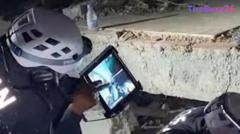
In a remarkable turn of events, a three-year-old boy named Klieber Morán has been pulled alive from the wreckage in Venezuela’s La Guaira state, six days after a pair of devastating earthquakes struck the region. The child was discovered by a Jordanian rescue team, providing a rare moment of hope amidst a catastrophe that has claimed nearly 2,000 lives. Following his extraction, Morán received immediate first aid and was transported to a hospital in Caracas, where officials confirmed his vital signs remain stable.
The rescue occurred well beyond the critical 72-hour window typically cited by experts as the period when survivors are most likely to be found. The dual tremors, measuring 7.2 and 7.5 in magnitude, have left a trail of destruction across the nation, with satellite data from NASA indicating that nearly 59,000 buildings have been damaged or destroyed. As search efforts continue, the death toll has climbed to 1,943, with over 10,000 individuals reported injured and thousands still missing.
Humanitarian conditions in the affected areas remain dire. International agencies have warned of severe shortages in food, water, and medical supplies, noting that basic infrastructure and communication networks have largely collapsed. While international aid shipments, including emergency health kits and newborn care supplies, have begun to arrive, local tensions are rising as displaced citizens struggle to access basic necessities. Health officials have also raised alarms regarding the potential for disease outbreaks, citing the extreme pressure on the country’s medical services and low vaccination coverage.
Key Takeaways
- A three-year-old boy was rescued alive six days after the earthquakes, defying the odds of survival.
- The death toll has reached 1,943, with nearly 59,000 buildings destroyed or damaged by the tremors.
- International aid is beginning to reach Venezuela, though the country faces critical shortages of food, shelter, and medical resources.
Editor’s Analysis & Impact
The humanitarian crisis in Venezuela following these earthquakes presents a complex challenge for both the local government and the international community. The destruction of nearly 59,000 buildings suggests a long-term displacement crisis that will require sustained financial and logistical support far beyond initial emergency response efforts. The warning from health organizations regarding vaccine-preventable diseases highlights the secondary risks inherent in such disasters, where the collapse of sanitation and healthcare infrastructure can lead to further loss of life. Moving forward, the focus must shift from immediate search and rescue to the stabilization of public health and the establishment of long-term housing solutions. The political climate in Venezuela, already strained, will likely face further pressure as citizens demand accountability for the adequacy of the disaster response and the distribution of international aid.
Frequently Asked Questions
Q: How long was the toddler trapped under the rubble?
A: The three-year-old boy, Klieber Morán, was trapped for six days before being rescued.
Q: What is the current status of the earthquake's impact on infrastructure?
A: According to satellite data, approximately 58,870 buildings were either damaged or destroyed by the magnitude 7.2 and 7.5 earthquakes.
AI Disclosure: This article is based on verified data and official reports. Our Team and AI have cross-referenced every financial detail with primary sources to ensure total accuracy.
More from this Category