Strait of Hormuz Shipping Stalls as U.S.-Iran Tensions Reach Breaking Point
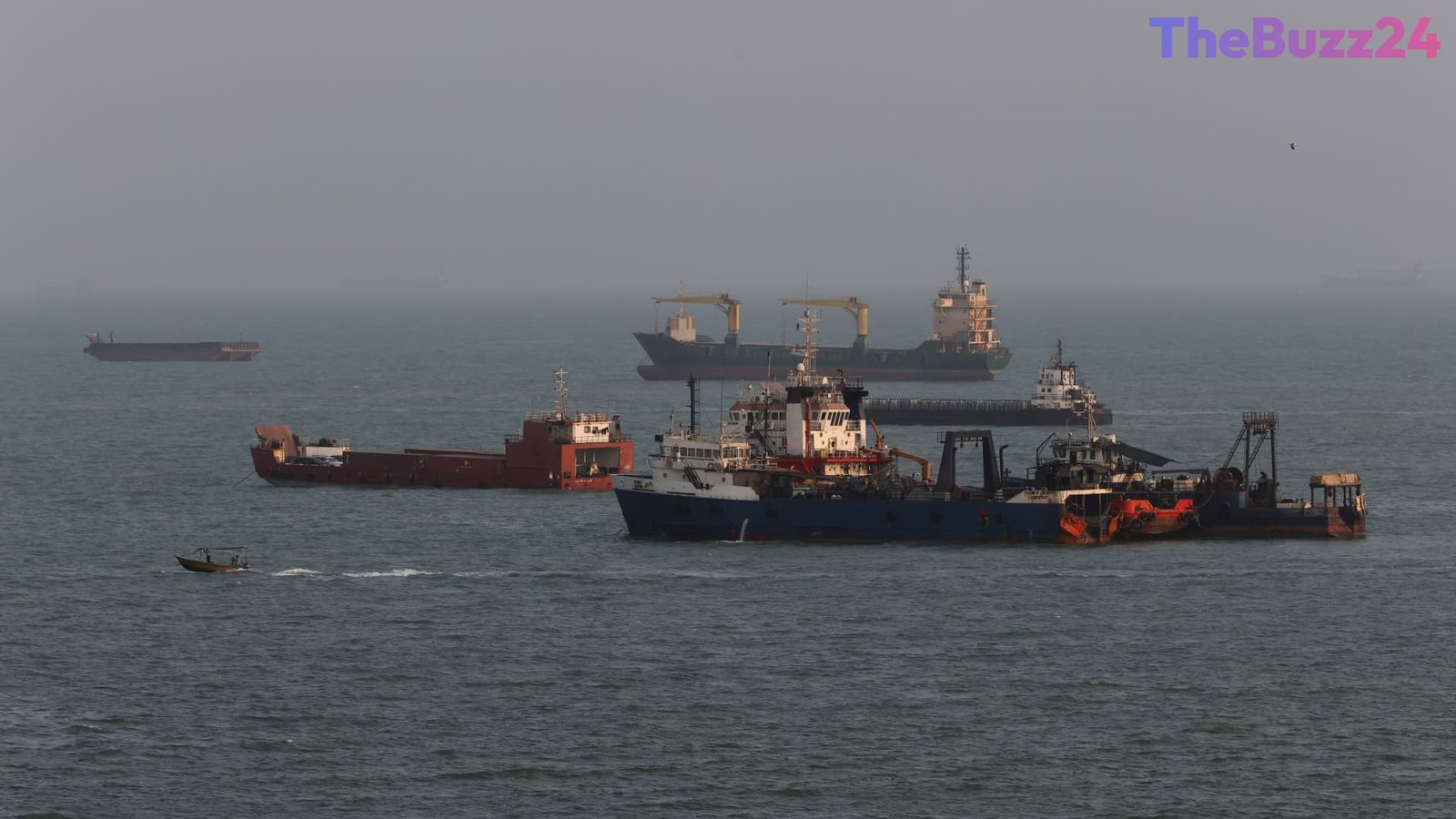
Maritime activity through the Strait of Hormuz has plummeted to near-zero levels as a 60-day ceasefire between the United States and Iran nears its expiration. Data indicates that vessel traffic has experienced a drastic decline, with only five cargo ships recorded on Saturday and zero transits reported on Sunday. This represents a significant drop from the 31 vessels that navigated the critical waterway during the same period the previous weekend.
The current situation marks a 90% reduction in shipping volume compared to levels observed prior to the conflict that began in late February. As one of the world’s most vital energy chokepoints, the Strait typically facilitates the transit of approximately one-fifth of global oil supplies. The current stagnation reflects growing uncertainty among global shippers as diplomatic efforts to extend the ceasefire have effectively stalled.
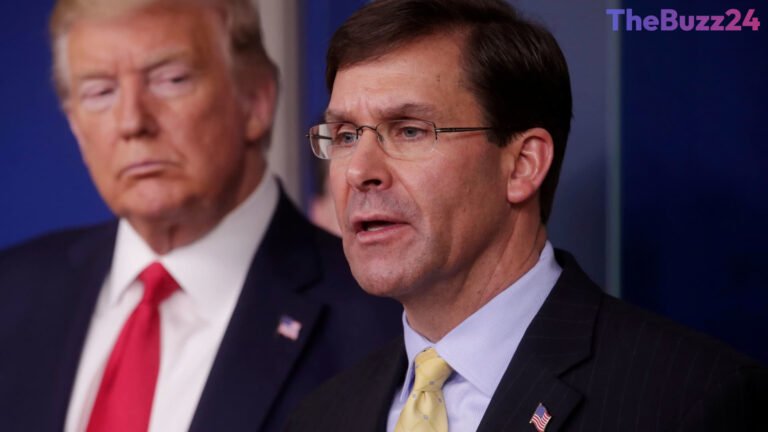
Diplomatic rhetoric remains combative, further complicating the outlook for international trade. While U.S. leadership has suggested asserting territorial control over the passage, Iranian officials have firmly rejected these claims, asserting that the Strait remains under their sovereign command. With no formal negotiations currently underway and only indirect communication occurring through intermediaries, the maritime industry is bracing for prolonged instability in the region.
Key Takeaways
- Shipping traffic through the Strait of Hormuz has dropped by 90% since the onset of the conflict in February.
- The 60-day ceasefire between the U.S. and Iran is set to expire with no formal negotiations currently in progress.
- The Strait of Hormuz is a critical global energy artery, typically handling 20% of the world's oil supply.
Editor’s Analysis & Impact
The paralysis of the Strait of Hormuz represents a systemic risk to global energy security and supply chain stability. Because this waterway serves as a primary conduit for Middle Eastern oil exports, the cessation of traffic exerts immediate pressure on global energy markets, even if price volatility has remained relatively contained in the short term. The breakdown in diplomatic channels suggests that the ‘chaos’ currently observed in the shipping sector may become the new baseline for the industry. Investors and logistics firms must now account for a high-risk environment where geopolitical posturing directly dictates the flow of global commodities. Future implications include potential long-term shifts in energy trade routes, increased insurance premiums for maritime transit, and sustained inflationary pressure on energy-dependent economies if the standoff persists.
Frequently Asked Questions
Q: Why is the Strait of Hormuz significant to the global economy?
A: The Strait of Hormuz is a vital maritime chokepoint that carries approximately 20% of the world's total oil consumption, making it essential for global energy stability.
Q: Are there active negotiations between the U.S. and Iran to resolve the shipping crisis?
A: No, formal negotiations have stalled. While intermediaries from countries like Qatar and Pakistan are facilitating the exchange of messages, both sides have confirmed that no direct talks are taking place.
AI Disclosure: This article is based on verified data and official reports. Our Team and AI have cross-referenced every financial detail with primary sources to ensure total accuracy.
More from this Category