The Agony of Identification: Venezuela Struggles with Aftermath of Devastating Earthquakes
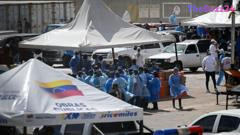
In the coastal city of La Guaira, a port storage facility has been repurposed into a makeshift morgue, serving as the grim epicenter for families searching for victims of the recent twin earthquakes in Venezuela. As the death toll climbs past 2,600, the sheer scale of the disaster has overwhelmed local infrastructure, forcing authorities to utilize temporary tents and open-air spaces to house the deceased. Nine days after the tremors, the process of recovery has shifted into a harrowing identification phase that has left grieving families in a state of profound anguish.
Inside the Los Silos facility, the environment is stark and distressing. Forensic teams and volunteers work under difficult conditions, often relying on dental records or visual cues to identify victims. Because many remains have suffered significant decomposition due to the sweltering heat, the identification process is frequently conducted via digital images displayed on television screens. Families are forced to scan through hundreds of photos, looking for identifying marks such as tattoos, jewelry, or specific clothing items to confirm the loss of their loved ones.
For those waiting outside, the experience is a grueling test of patience and emotional endurance. The bureaucratic hurdles involved in obtaining death certificates and securing transport for remains add further layers of trauma to an already catastrophic situation. Despite the presence of armed personnel and the assistance of forensic specialists, the lack of adequate facilities means that many families are left waiting for days, often watching as coffins remain exposed to the elements while they navigate the complex administrative requirements to reclaim their relatives.
As the search continues, the psychological toll on the community is immense. Many survivors, like those still waiting for news of missing family members, describe the experience as surreal and overwhelming. With the infrastructure in ruins and the capacity of local services stretched to their absolute limit, the makeshift morgue stands as a somber testament to the scale of the tragedy and the long, painful road to recovery that lies ahead for the region.
Key Takeaways
- The death toll from the twin earthquakes in Venezuela has exceeded 2,600, overwhelming local forensic and mortuary infrastructure.
- A makeshift morgue at a port facility in La Guaira is using digital photo identification to help families locate victims amidst rapid decomposition caused by the heat.
- Families face significant delays in the recovery process due to bureaucratic requirements for death certificates and the logistical challenges of managing a high volume of casualties.
Editor’s Analysis & Impact
The humanitarian crisis in Venezuela following these twin earthquakes highlights a critical failure in disaster preparedness and infrastructure resilience. From a market and industry perspective, the inability of local institutions to manage mass casualty events underscores the urgent need for investment in forensic technology, cold-chain logistics for disaster response, and robust emergency management systems. The broader implication is a deepening of the existing social and economic instability in the region, as the government struggles to provide basic dignity to the deceased. Future outlooks suggest that without international aid and a complete overhaul of emergency response protocols, the region remains highly vulnerable to secondary health crises and prolonged social trauma. The reliance on makeshift facilities serves as a stark reminder of the gap between current capabilities and the requirements for effective disaster recovery in developing nations.
Frequently Asked Questions
Q: How are families identifying victims at the La Guaira facility?
A: Due to the state of the bodies, families are primarily identifying victims by viewing a sequence of digital images on television screens, looking for specific markers like tattoos, clothing, or personal items.
Q: Why is the identification process taking so long?
A: The process is delayed by the sheer volume of victims, the rapid decomposition of remains in the heat, and the bureaucratic requirements for death certificates and official paperwork needed to release the bodies to funeral homes.
AI Disclosure: This article is based on verified data and official reports. Our Team and AI have cross-referenced every financial detail with primary sources to ensure total accuracy.
More from this Category