Turkish Comedian Deniz Göktaş Arrested Over Viral Stand-Up Routine
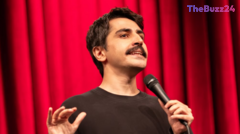
Turkish authorities have taken stand-up comedian Deniz Göktaş into custody following a viral performance that drew significant scrutiny from government officials and religious institutions. Göktaş was apprehended at an Istanbul airport upon returning from a holiday, with images of the comedian in handcuffs circulating widely and sparking public outcry. The arrest follows a performance that garnered over 9 million views on YouTube, in which Göktaş allegedly insulted President Recep Tayyip Erdoğan and made remarks perceived as mocking religious values.
Prosecutors moved to place Göktaş in pre-trial detention after receiving 185 complaints regarding the content of his routine. During questioning, the comedian maintained that he had no intention of offending religious sensibilities and argued that his use of political satire, including references to the president, has been a consistent part of his act for three years without prior incident. Despite his defense, the country’s religious affairs directorate issued a public rebuke, warning that the use of digital platforms to mock sacred values is detrimental to societal norms.
The detention of Göktaş is being viewed by human rights advocates and opposition figures as part of a wider, systemic crackdown on dissent within Turkey. This incident occurs against a backdrop of increased security measures and restricted civil liberties ahead of a major international summit in Ankara. Critics argue that the government is utilizing the judiciary to silence artists, journalists, and political opponents, further narrowing the space for freedom of expression in the country.
Supporters of the comedian gathered at the Çağlayan courthouse in Istanbul to protest the arrest, highlighting the growing tension between the administration and those advocating for artistic freedom. Legal experts have noted that satire is theoretically protected under the Turkish constitution and international human rights conventions, yet the current climate suggests a significant shift toward the criminalization of public discourse that challenges the status quo.
Key Takeaways
- Comedian Deniz Göktaş was arrested in Istanbul over allegations of insulting the president and religious values in a viral stand-up routine.
- The arrest follows a surge in complaints and a public sermon from the religious affairs directorate condemning the content of the performance.
- Human rights groups and opposition leaders characterize the detention as part of a broader pattern of suppressing freedom of expression in Turkey.
Editor’s Analysis & Impact
The arrest of Deniz Göktaş underscores a deepening volatility in Turkey’s cultural and political landscape. By targeting a popular comedian for content that has been in circulation for years, the state is signaling a zero-tolerance policy toward dissent, even in the realm of entertainment. This move likely serves to intimidate other public figures and media creators, effectively chilling free speech. Economically and diplomatically, such actions complicate Turkey’s relationship with international bodies that prioritize human rights and democratic norms. As the country prepares for high-stakes international summits, the government’s focus on domestic suppression suggests a strategy of consolidating power through judicial pressure. The long-term outlook remains grim for artistic expression in the region, as the intersection of religious rhetoric and state-led legal action creates a high-risk environment for any form of public critique.
Frequently Asked Questions
Q: Why was Deniz Göktaş arrested?
A: Göktaş was arrested on charges of 'inciting hatred and hostility' and insulting President Recep Tayyip Erdoğan, following complaints about his stand-up routine that touched on political and religious themes.
Q: Is satire protected under Turkish law?
A: While the Turkish constitution and the European Convention on Human Rights theoretically protect freedom of expression and satire, critics argue that the current judicial environment in Turkey frequently overrides these protections to target dissenters.
AI Disclosure: This article is based on verified data and official reports. Our Team and AI have cross-referenced every financial detail with primary sources to ensure total accuracy.
More from this Category