Tragic Bus Plunge in Pakistan Claims 32 Lives Amid Overcrowding and Mechanical Failure
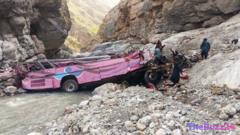
A devastating transit accident in southwestern Pakistan has claimed the lives of at least 32 people and left 16 others injured after an overcrowded passenger bus plunged into a deep ravine. The vehicle was traveling from Quetta to Peshawar when it veered off the road in the treacherous Dana Sar mountain range, a geographic border zone between the Balochistan and Khyber Pakhtunkhwa provinces. The incident occurred early Friday morning, instantly drawing emergency services to the remote mountainous region.
Local emergency responders reported that the bus fell approximately 70 to 80 feet down the rocky slope, leaving the vehicle severely mangled. Rescue operations were immediately launched, though efforts were significantly hindered by the rugged and difficult terrain. A total of 48 passengers, including several women and children, were on board at the time of the crash. The injured were rushed to the District Headquarters Hospital in Zhob, located about 68 kilometers from the crash site, where medical teams are working to treat the survivors.
Preliminary investigations suggest that a mechanical steering failure may have caused the driver to lose control of the vehicle on the winding mountain pass. Furthermore, official statements indicate the bus was heavily overloaded. It had reportedly taken on additional passengers from another bus that had broken down earlier in the journey. Balochistan’s Chief Minister, Sarfraz Bugti, has ordered a formal inquiry into the disaster, while President Asif Ali Zardari and Prime Minister Shehbaz Sharif have expressed deep condolences to the victims’ families.
This tragedy highlights a persistent crisis on Pakistan’s transport networks, where fatal road accidents are alarmingly frequent. Experts point to a combination of poorly maintained infrastructure, lax vehicle safety standards, and reckless driving habits as major contributors to the high mortality rate on the country’s highways. This latest disaster echoes similar past incidents, including a tragic crash earlier this year that claimed 17 lives during holiday travels in Balochistan.
Key Takeaways
- At least 32 passengers died and 16 were injured when a bus plunged 70-80 feet into a ravine in southwestern Pakistan.
- The bus was severely overcrowded after taking on extra passengers from a broken-down vehicle along its Quetta-to-Peshawar route.
- Authorities suspect a steering malfunction caused the driver to lose control, prompting a formal government inquiry into the incident.
Editor’s Analysis & Impact
This devastating accident underscores the critical infrastructure and regulatory deficits plaguing Pakistan’s public transportation sector. The combination of overloaded vehicles, poorly maintained mountain passes, and inadequate mechanical inspections creates a high-risk environment for commuters. While government officials have promised inquiries, systemic reforms are desperately needed to enforce safety standards and vehicle roadworthiness. Without strict regulatory oversight, mandatory driver training, and significant investments in highway safety barriers—particularly in treacherous terrains like the Dana Sar range—such preventable tragedies will continue to occur. This incident is likely to pressure local authorities to implement stricter passenger limits and routine safety checks on long-haul transport routes.
Frequently Asked Questions
Q: What caused the bus crash in Pakistan?
A: Preliminary reports indicate a steering fault may have caused the driver to lose control of the vehicle, though a formal inquiry has been launched to determine the exact cause.
Q: Why was the bus so heavily overcrowded?
A: The bus had taken on additional passengers from another bus that had broken down earlier along the route from Quetta to Peshawar.
Q: Where did the accident take place?
A: The crash occurred in the Dana Sar mountain range, which lies on the border between the Balochistan and Khyber Pakhtunkhwa provinces in southwestern Pakistan.
AI Disclosure: This article is based on verified data and official reports. Our Team and AI have cross-referenced every financial detail with primary sources to ensure total accuracy.
More from this Category