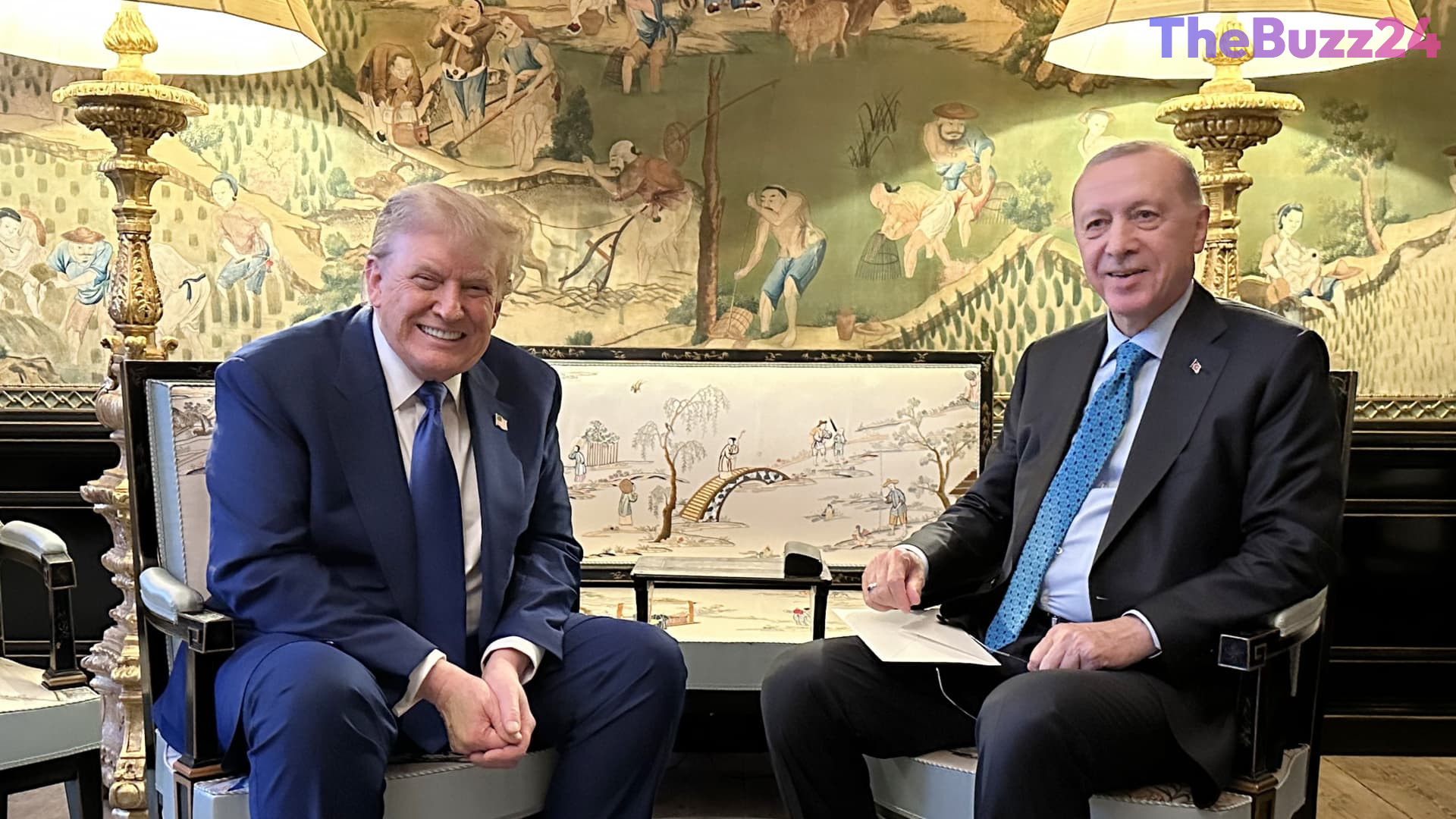
Diplomatic Pivot: Erdogan Leverages Personal Ties with Trump Ahead of NATO Summit
As the upcoming NATO summit approaches, Turkish President Recep Tayyip Erdogan has successfully secured a high-profile visit from President Donald Trump, a move that underscores the unique and personal nature of their diplomatic relationship. While Trump has frequently criticized other European leaders regarding defense spending and alliance commitments, he has consistently expressed a personal affinity for the Turkish leader. This rapport has allowed Ankara to maintain a strategic advantage, effectively insulating Turkey from the friction that has characterized U.S. relations with other NATO members.
The upcoming visit, the first by a U.S. president to Turkey since 2015, is expected to be more than symbolic. Discussions are reportedly centered on potential defense cooperation, including the possible sale of F-110 jet engines and the long-debated acquisition of F-35 fighter jets. These potential deals represent a significant shift in policy, particularly given that Turkey was previously excluded from the F-35 program following its procurement of Russian-made S-400 missile defense systems. While the administration explores pathways to facilitate these sales, the move faces scrutiny from lawmakers concerned about regional security and the implications of Turkey’s continued reliance on Russian military technology.
Beyond defense hardware, the warming of ties is evident in broader diplomatic and legal arenas. The administration has taken steps to bypass congressional hurdles regarding engine sales and has previously moved to resolve significant legal challenges involving Turkish state-owned entities. By maintaining open lines of communication and prioritizing direct telephone diplomacy, Erdogan has positioned Turkey as a central player in the U.S. president’s foreign policy framework, often at the expense of traditional alliance protocols. This ‘new era’ of bilateral relations highlights a clear preference for personal diplomacy over the more institutionalized approaches favored by previous administrations.
Key Takeaways
- President Trump is set to visit Turkey for the NATO summit, a gesture attributed to his strong personal rapport with President Erdogan.
- The administration is actively exploring the sale of F-110 jet engines and potentially F-35 fighter jets to Turkey, despite previous bans related to Russian S-400 systems.
- The U.S.-Turkey relationship is undergoing a significant thaw, marked by the resolution of legal cases and a shift toward direct, high-level diplomatic engagement.
Editor’s Analysis & Impact
The deepening relationship between the U.S. and Turkey signals a broader shift in American foreign policy, moving away from traditional multilateral alliance structures toward a model of personal, transactional diplomacy. For the defense industry, the potential sale of F-35 components and jet engines to Turkey represents a complex geopolitical gamble; it risks alienating other NATO partners while simultaneously attempting to keep a key regional power within the Western military orbit. The future outlook suggests that as long as the current leadership remains in place, Turkey will likely continue to leverage this personal connection to bypass standard institutional barriers. However, the persistent bipartisan opposition in the U.S. Congress regarding the S-400 issue suggests that these defense deals will remain a flashpoint for domestic political friction, potentially creating long-term instability in the U.S.-Turkey security partnership.
Frequently Asked Questions
Q: Why was Turkey previously barred from the F-35 fighter jet program?
A: Turkey was removed from the F-35 program in 2019 after purchasing Russian-made S-400 missile defense systems, which U.S. officials feared could compromise the stealth capabilities of the aircraft.
Q: What is the significance of the F-110 jet engine sale?
A: The F-110 engines are intended to power Turkey's domestically produced KAAN fighter jets. The administration is currently attempting to bypass congressional opposition to finalize these sales, valued at over $700 million.
AI Disclosure: This article is based on verified data and official reports. Our Team and AI have cross-referenced every financial detail with primary sources to ensure total accuracy.
More from this Category