Zelensky Heads to Ankara Summit Seeking Urgent Air Defense Boost Amid Escalating Ballistic Strikes
Ukrainian President Volodymyr Zelensky is set to leverage the upcoming NATO summit in Ankara to demand immediate reinforcements for his nation’s air defense capabilities. The appeal follows a series of devastating Russian missile strikes on Kyiv that have resulted in significant civilian casualties and damage to residential infrastructure. Zelensky aims to secure additional Patriot missile systems from Western allies, arguing that existing stockpiles are insufficient to counter the high-speed ballistic threats currently targeting Ukrainian population centers.
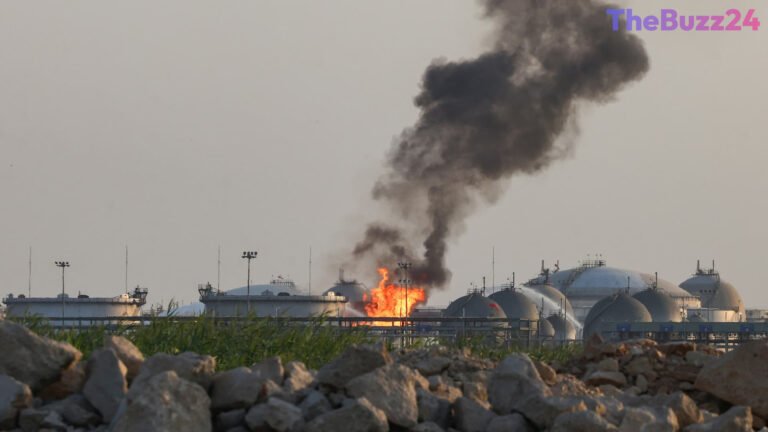
Beyond the immediate need for defensive hardware, the summit serves as a critical diplomatic stage for Zelensky to engage with international leaders, including Donald Trump. The Ukrainian leadership intends to frame the ongoing conflict as a test of resolve, suggesting that Russia’s reliance on ballistic terror is a sign of strategic desperation rather than strength. By demonstrating that Ukraine can effectively disrupt Russian logistics through its own long-range drone campaign—which has successfully targeted oil refineries and military assets deep within Russian territory—Zelensky hopes to build momentum for a negotiated peace that preserves Ukrainian sovereignty.
However, the path to a diplomatic breakthrough remains fraught with logistical and political hurdles. Global supplies of advanced interceptor missiles are severely constrained, leading to calls for increased domestic production within Ukraine with NATO support. As both sides intensify their long-range operations, the conflict has entered a volatile phase where the ability to protect civilian infrastructure and maintain energy stability has become the primary determinant of leverage for future peace negotiations.
Key Takeaways
- President Zelensky is seeking urgent air defense support at the Ankara NATO summit to counter Russia's increasing use of high-speed ballistic missiles.
- Ukraine is simultaneously conducting a long-range drone campaign against Russian oil refineries and military logistics to pressure Moscow into peace talks.
- Global shortages of Patriot missile systems remain a significant obstacle, prompting discussions on scaling up domestic production capabilities in Ukraine.
Editor’s Analysis & Impact
The current escalation marks a pivotal shift in the Russia-Ukraine conflict, moving from a static front-line battle to a war of attrition involving deep-strike capabilities. By targeting Russian energy infrastructure, Ukraine is attempting to erode the domestic stability that Vladimir Putin has long used to justify his leadership. However, the reliance on Western-supplied air defense systems creates a strategic vulnerability for Kyiv; if NATO allies cannot bridge the gap between supply and demand, the humanitarian cost of the war will likely rise significantly before winter. The diplomatic maneuvering in Ankara suggests that both sides are racing to secure a position of strength before the next phase of the conflict. The outcome of these negotiations will likely dictate whether the war moves toward a negotiated settlement or a prolonged, high-intensity stalemate that further destabilizes regional energy markets.
Frequently Asked Questions
Q: Why is Ukraine struggling to intercept Russian ballistic missiles?
A: Ballistic missiles travel at extremely high speeds, making them difficult to track and destroy. Ukraine currently lacks a sufficient quantity of advanced interceptor systems, such as the US-made Patriot, to cover all its major cities against these specific threats.
Q: What is the strategic goal of Ukraine's drone strikes on Russian oil refineries?
A: The strikes are intended to disrupt Russia's military logistics, create fuel shortages, and demonstrate that the war has consequences for the Russian mainland, thereby increasing pressure on the Kremlin to consider peace negotiations.
AI Disclosure: This article is based on verified data and official reports. Our Team and AI have cross-referenced every financial detail with primary sources to ensure total accuracy.
More from this Category