Used Electric Vehicle Prices Surge as Fuel Costs and Geopolitical Tensions Mount
The market for pre-owned electric vehicles (EVs) is experiencing a significant price rally, driven by a combination of volatile fuel costs and ongoing geopolitical instability in Iran. While the broader automotive sector has seen relatively modest price adjustments, the Manheim Used Vehicle Value Index for EVs recorded a 12% increase in a single month, significantly outpacing the 1.7% growth observed in the non-electric vehicle segment.
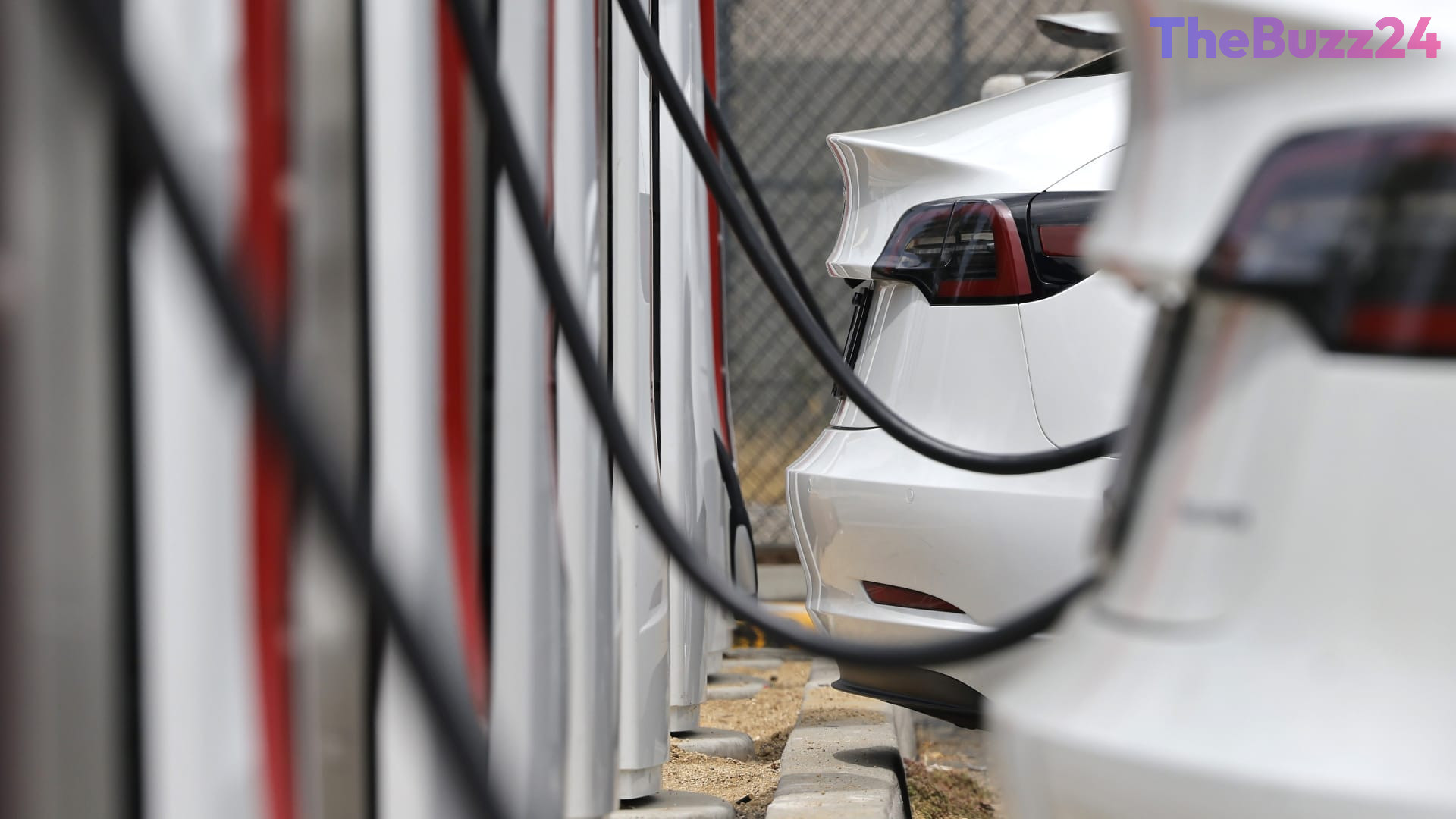
This upward trend in wholesale pricing has pushed the average cost of a used electric vehicle to approximately $30,400, representing an 11.5% rise since the beginning of the year. In contrast, traditional internal combustion engine vehicles have seen price growth remain below 1%. Consumer retail data reflects this shift, with used EV sales reaching nearly 43,000 units in recent months, a 24.7% increase compared to the previous year. Tesla remains the dominant force in this secondary market, followed by notable sales volume from Hyundai, Chevrolet, Ford, and BMW.
Interestingly, this surge in the used market stands in stark contrast to the performance of new electric vehicles, which have faced cooling demand and sales declines throughout the second quarter. Industry experts suggest that the future of these price trends remains tethered to the pump. As a larger volume of off-lease EVs is expected to enter the market later this year, the balance between increased supply and fluctuating gasoline prices will be the primary determinant of whether this current price momentum can be sustained.
Key Takeaways
- Used EV prices have jumped 12% in a single month, significantly outperforming the 1.7% growth seen in the traditional vehicle market.
- Rising gasoline prices and geopolitical instability in Iran are primary drivers pushing consumers toward the pre-owned electric vehicle market.
- While used EV demand is climbing, the new EV market has faced recent sales declines, creating a divergence between the two segments.
Editor’s Analysis & Impact
The current divergence between the new and used EV markets highlights a shift in consumer behavior driven by economic pragmatism. As new EV sales face headwinds due to high price points and the expiration of federal incentives, the used market is absorbing demand from budget-conscious buyers seeking to hedge against volatile fuel costs. The upcoming influx of off-lease vehicles will serve as a critical stress test for the market; if supply outpaces demand, we may see a correction in used EV valuations. However, as long as gasoline prices remain elevated due to global instability, the floor for used EV prices is likely to remain firm. Investors and manufacturers should monitor this ‘supply-demand’ pivot, as it suggests that the long-term adoption of EVs may be more sensitive to fuel price fluctuations than previously anticipated.
Frequently Asked Questions
Q: Why are used EV prices rising while new EV sales are declining?
A: Used EVs offer a more accessible entry point for consumers looking to avoid high gasoline costs. While new EV sales have struggled due to higher price tags and the loss of specific tax incentives, the used market is benefiting from buyers prioritizing fuel savings over the latest technology.
Q: How do gasoline prices impact the used EV market?
A: Gasoline prices act as a 'swing factor' for EV demand. When pump prices rise, the total cost of ownership for internal combustion vehicles increases, making the fuel efficiency of electric vehicles more attractive and driving up demand for pre-owned models.
AI Disclosure: This article is based on verified data and official reports. Our Team and AI have cross-referenced every financial detail with primary sources to ensure total accuracy.
More from this Category