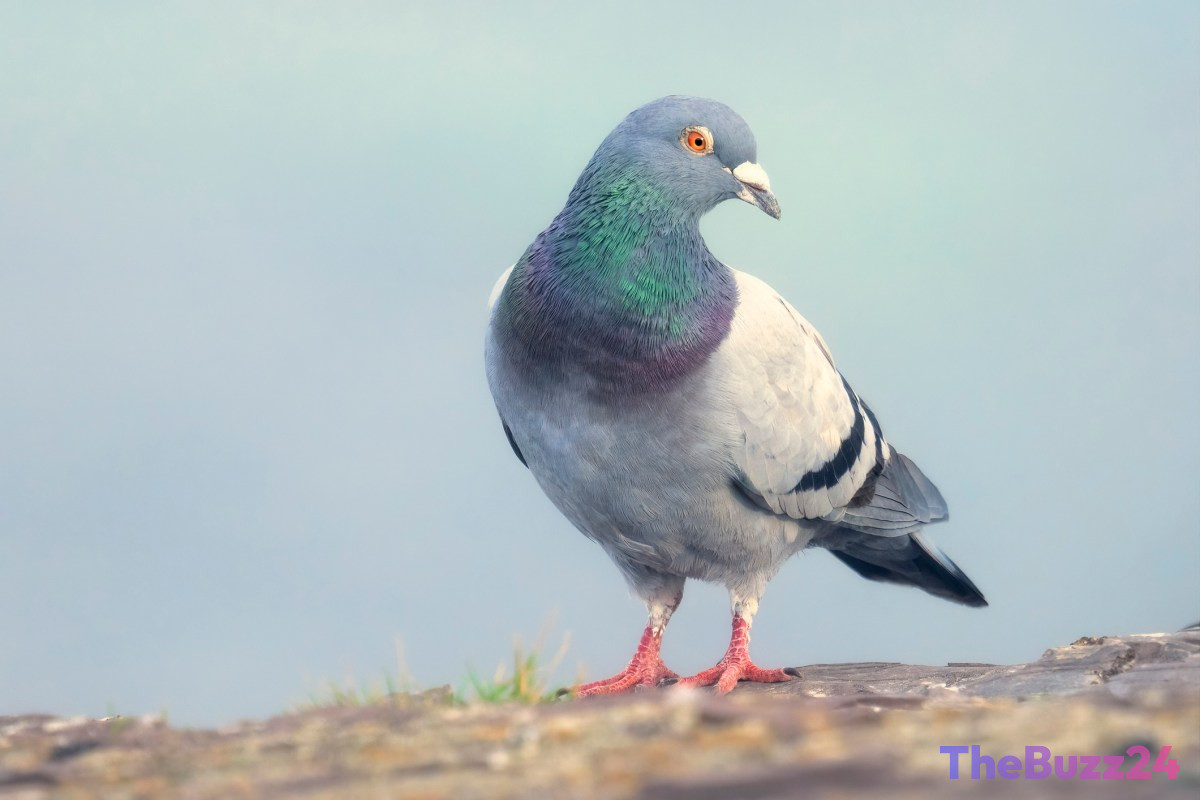
The Rise of ‘Slow-cial’ Media: How Viral App Roost is Reclaiming Patience in a Fast-Paced Digital World
In an era dominated by instant notifications and constant digital demands, a new social platform is finding massive success by doing the exact opposite: slowing down. Roost, a self-described “slow-cial” messaging app, allows users to send virtual messages delivered by digital birds, snails, or turtles. Because these digital messengers travel at their real-world counterparts’ speeds, a message can take hours or even days to arrive. This intentional friction has struck a chord with users looking to escape the high-pressure environment of modern social media.
Created by Logan Mendelsohn, a trust and safety professional who developed the app as a personal side project, Roost experienced sudden, explosive growth. After a post on the social media platform Threads went viral—detailing how a teenager was using the app to exchange letters in Elizabethan English—Roost’s user base skyrocketed from 10,000 to 100,000 in just three days. Within five weeks, the platform neared 300,000 users, proving that a growing demographic is eager to embrace more mindful, intentional communication.
Given Mendelsohn’s professional background in trust and safety, security and privacy are baked into Roost’s core design. The app only shares a user’s city by default, requiring manual activation for precise location sharing with close friends. A “Pen Pals” feature connects anonymous users within the same age group, but photo sharing is currently disabled to prevent abuse while robust moderation tools are developed. To manage the rapid development of the app, Mendelsohn utilized Claude Code, balancing his full-time job with the demands of a scaling platform.
Despite its wholesome reputation, Roost recently faced backlash from its community over the use of AI-generated art for its bird illustrations. Acknowledging the feedback from users who prefer human-created art, Mendelsohn—who operates without external funding—launched an art contest to allow human creators to design replacement assets. This transition highlights a growing tension in the tech industry, where solo developers rely on AI tools to scale, while communities increasingly demand ethical, human-centric design.
Key Takeaways
- Roost introduces intentional delays in digital messaging, using virtual birds and animals that travel at real-life speeds to foster mindful communication.
- The app experienced viral growth, expanding from 10,000 to nearly 300,000 users in just over a month after gaining traction on Threads.
- To address community backlash regarding AI-generated bird illustrations, the solo founder is transitioning to human-designed art through a community contest.
Editor’s Analysis & Impact
The rapid rise of Roost signals a significant cultural shift away from the hyper-connected, dopamine-driven feedback loops of traditional social media. As “digital fatigue” becomes a recognized wellness concern, consumers are actively seeking platforms that prioritize mental well-being and intentionality over engagement metrics. However, Roost’s journey also highlights the operational tightrope walked by modern solo developers. While AI tools like Claude Code and AI art generators democratize software creation—allowing a single developer to scale an app to hundreds of thousands of users—they also clash with a growing consumer backlash against AI-generated content. Moving forward, the success of indie apps will likely depend on how effectively creators can leverage AI for backend efficiency while maintaining human authenticity in user-facing design.
Frequently Asked Questions
Q: How does the messaging system in Roost work?
A: Messages in Roost are delivered by virtual animals, such as falcons, hummingbirds, or snails. The delivery time is determined by how fast that specific animal travels in real life and the physical distance between the sender and receiver.
Q: How does Roost protect user privacy and safety?
A: Roost is built with a privacy-first approach. It only shares a user's city by default, restricts precise location sharing to a manual 'close friends' setting, and currently blocks photo sharing to prevent abuse while moderation tools are being developed.
Q: Why did the app face controversy regarding AI art?
A: Users expressed disappointment that the bird illustrations in the app were AI-generated. In response, the creator acknowledged the feedback and launched a community art contest to replace the AI assets with human-made designs.
AI Disclosure: This article is based on verified data and official reports. Our Team and AI have cross-referenced every financial detail with primary sources to ensure total accuracy.
More from this Category