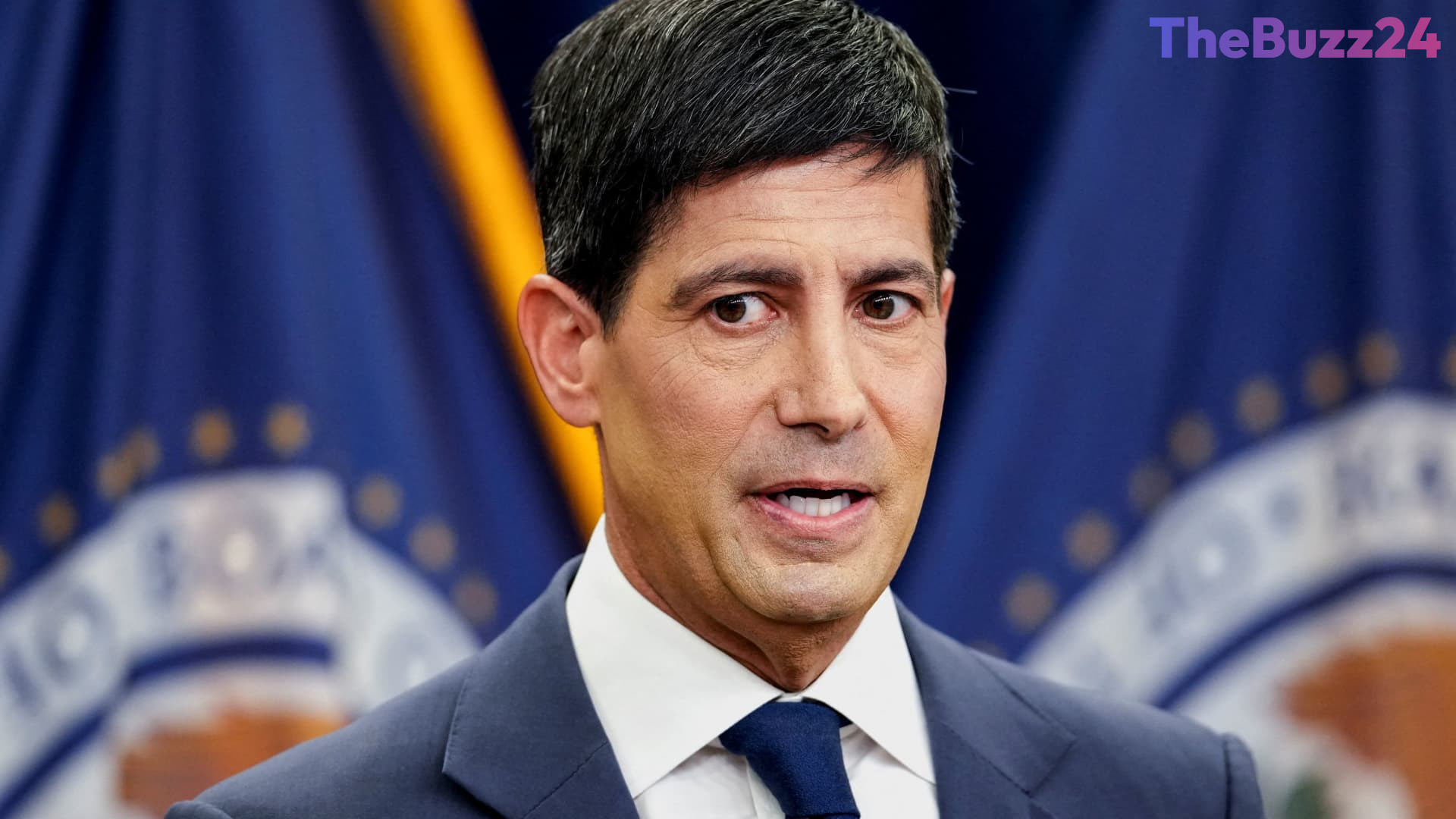
Federal Reserve Remains Divided on Interest Rate Path Under New Leadership
The Federal Open Market Committee (FOMC) remains deeply divided regarding the future trajectory of interest rates, according to minutes from the June policy meeting. Under the new leadership of Chairman Kevin Warsh, the committee is navigating a complex economic landscape characterized by persistent inflation, geopolitical tensions, and the evolving impact of artificial intelligence on the broader economy. While the committee reached a unanimous decision to maintain the benchmark federal funds rate between 3.5% and 3.75%, the internal debate regarding whether to hike or cut rates in the coming months remains unresolved.
In a departure from previous communication styles, the Fed has adopted a more minimalist approach to forward guidance. The meeting minutes reveal that policymakers are increasingly reliant on incoming economic data rather than committing to a fixed policy path. While some officials expressed concerns that inflation could remain elevated, necessitating further rate hikes, others suggested that cooling energy prices and potential productivity gains from AI could justify future rate reductions. This ambiguity reflects a strategic shift toward flexibility as the committee attempts to balance price stability with economic growth.
Chairman Warsh has signaled a desire to streamline the Fed’s communication strategy, a move supported by a majority of participants who favored a shorter, less prescriptive post-meeting statement. By removing boilerplate language and avoiding specific commitments, the committee is attempting to reduce market volatility caused by over-interpretation of its guidance. As the Fed continues to evaluate the inflationary pressures stemming from global trade tariffs and supply chain disruptions, the focus remains squarely on data-driven decision-making rather than long-term forecasting.
Looking ahead, the committee is actively reviewing its operational framework, including the establishment of task forces to refine how the central bank interacts with the public and financial markets. Despite the uncertainty, the consensus remains that the Fed will prioritize restoring price stability, even as it grapples with the competing views of its members regarding the appropriate level of interest rates for the remainder of the year.
Key Takeaways
- The Federal Reserve is currently split between hiking or cutting interest rates, with no clear consensus on the immediate future path of monetary policy.
- Chairman Kevin Warsh is implementing a new, minimalist communication strategy, moving away from traditional forward guidance in favor of data-dependent decision-making.
- Policymakers are closely monitoring the dual impact of AI-driven productivity and inflationary pressures from global trade tariffs and energy markets.
Editor’s Analysis & Impact
The Federal Reserve’s current transition under Chairman Kevin Warsh marks a significant pivot in central bank philosophy. By de-emphasizing forward guidance, the Fed is attempting to regain tactical flexibility in an unpredictable economic environment. The market’s muted reaction to the minutes suggests that investors are beginning to price in this ‘wait-and-see’ approach, which prioritizes real-time data over speculative projections. However, this lack of clarity could lead to increased volatility if economic indicators diverge significantly from the committee’s expectations. The focus on AI as both a potential inflationary pressure and a long-term disinflationary force highlights the Fed’s struggle to adapt traditional monetary tools to a rapidly digitizing economy. Ultimately, the success of this new regime will depend on whether the committee can maintain credibility while providing less explicit direction to the markets.
Frequently Asked Questions
Q: Why is the Federal Reserve moving away from forward guidance?
A: Chairman Kevin Warsh believes that excessive forward guidance can lead to market confusion and unnecessary volatility. By focusing on incoming data, the committee aims to remain flexible and avoid being locked into policy paths that may no longer be appropriate as economic conditions change.
Q: How is AI impacting the Federal Reserve's view on inflation?
A: The committee is divided on AI; some members worry that strong demand for AI infrastructure is driving up prices for technology and electricity, while Chairman Warsh has suggested that AI will eventually be disinflationary by significantly boosting productivity.
AI Disclosure: This article is based on verified data and official reports. Our Team and AI have cross-referenced every financial detail with primary sources to ensure total accuracy.
More from this Category