Trump Declares Ceasefire ‘Over’ as U.S. Launches Fresh Military Strikes Against Iran
The United States military has executed a fresh wave of retaliatory airstrikes against Iranian targets following a series of hostile actions in the Strait of Hormuz. U.S. Central Command confirmed the military action, stating it was a direct response to Iranian forces targeting three commercial vessels navigating the critical maritime corridor. The escalation marks a sharp collapse of the fragile diplomatic understanding between Washington and Tehran.
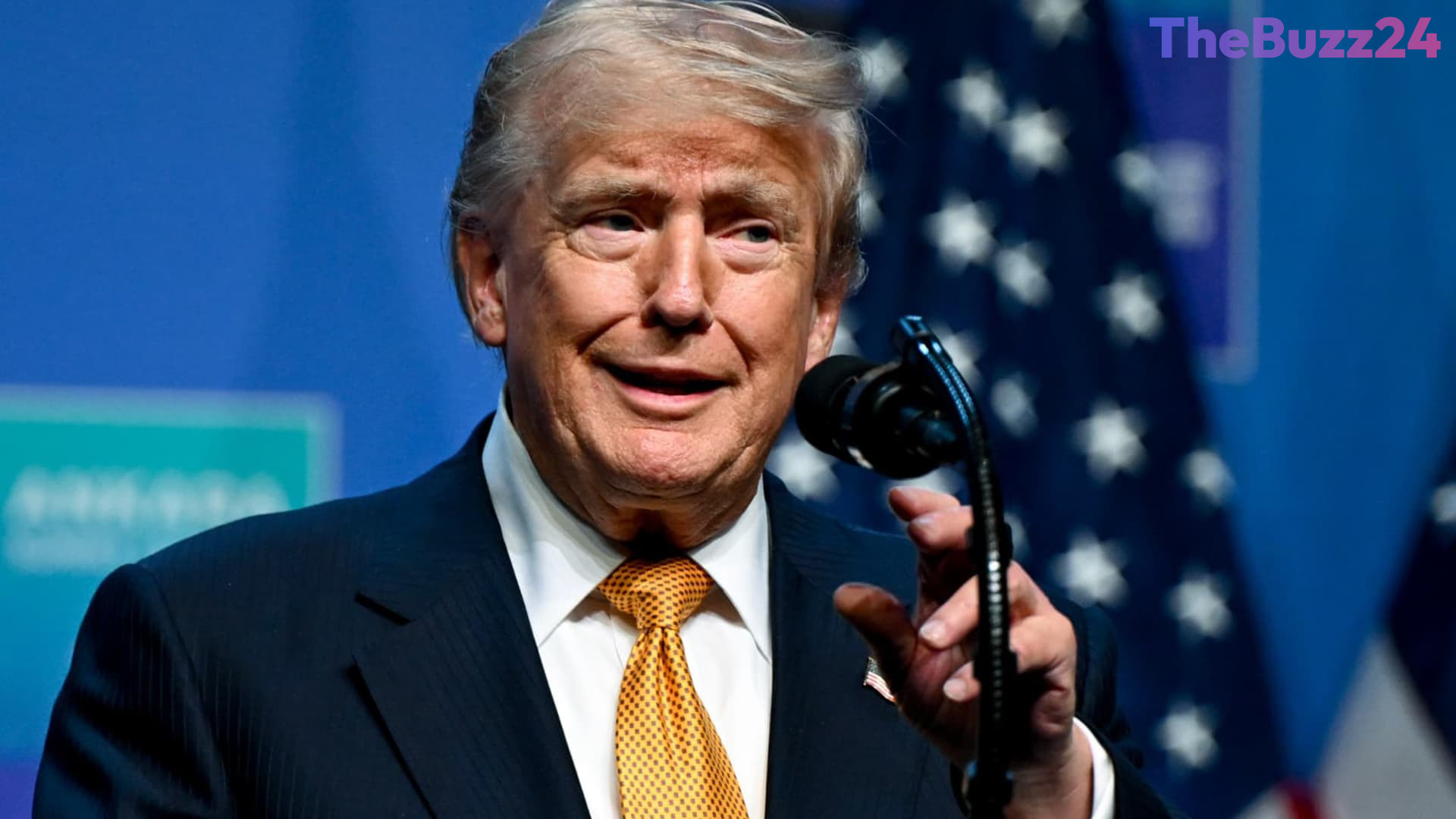
Speaking from a NATO summit in Ankara, Turkey, President Donald Trump declared the recently established ceasefire agreement with Iran officially “over.” Expressing deep skepticism about future diplomatic engagements, Trump indicated he is no longer interested in pursuing a long-term deal with Tehran, characterizing further negotiations as a “waste of time.” The president, who had previously expressed a willingness to negotiate with Iranian leadership, reversed his stance following the maritime attacks, suggesting that the U.S. military should instead “finish the job.”
The unraveling of the agreement has immediate economic and geopolitical consequences. In response to the maritime aggression, the U.S. has revoked its sanctions waiver on Iranian oil sales—a cornerstone concession of the short-lived ceasefire. Under the original terms, Washington had lifted its naval blockade on Iranian ports in exchange for Tehran ensuring the safe passage of commercial shipping. However, the Strait of Hormuz remains a highly contested flashpoint, with Iran asserting its right to manage transit and levy tolls, a position the U.S. and its allies reject as a violation of international maritime law.
Iranian officials have pushed back against the U.S. actions, accusing Washington of being the party responsible for dismantling the agreement. Iranian Foreign Affairs Ministry spokesman Esmaeil Baqaei argued that the U.S. violated the structural terms of the deal through unilateral military strikes and by challenging Iran’s authority to oversee transit arrangements within the strait. Baqaei asserted that Iran would continue to take necessary measures to defend its national sovereignty and regional interests.
Key Takeaways
- The U.S. military launched retaliatory strikes against Iranian infrastructure following attacks on three commercial ships in the Strait of Hormuz.
- President Donald Trump declared the month-old ceasefire agreement with Iran officially over, signaling an end to diplomatic negotiations.
- Washington has reinstated strict sanctions on Iranian oil sales, reversing key concessions made during the brief diplomatic truce.
Editor’s Analysis & Impact
The rapid collapse of the U.S.-Iran ceasefire underscores the extreme volatility of the Strait of Hormuz, a chokepoint responsible for a significant portion of the world’s petroleum transit. By revoking the oil sanctions waiver and resuming military strikes, the Trump administration is pivoting back to a “maximum pressure” campaign. This escalation is highly likely to disrupt global energy markets, driving up oil prices and insurance premiums for commercial shipping in the Persian Gulf. Furthermore, Trump’s rhetoric signaling an end to diplomacy suggests a shift toward a prolonged military containment strategy. For global markets and multinational shipping firms, the region remains a high-risk zone, with the potential for tit-for-tat escalations that could drag allied coalition forces into a broader maritime conflict.
Frequently Asked Questions
Q: Why did the U.S. launch new military strikes against Iran?
A: The U.S. military initiated the strikes in response to Iranian forces attacking three commercial shipping vessels in the strategically vital Strait of Hormuz.
Q: What was the status of the U.S.-Iran ceasefire?
A: The temporary ceasefire, which was established just a month prior, has been declared officially "over" by President Donald Trump following the renewed maritime hostilities.
Q: How has the collapse of the deal affected economic sanctions?
A: In response to the attacks, the U.S. revoked its sanctions waiver on Iranian oil sales, effectively reinstating economic penalties that had been temporarily lifted under the ceasefire agreement.
AI Disclosure: This article is based on verified data and official reports. Our Team and AI have cross-referenced every financial detail with primary sources to ensure total accuracy.
More from this Category