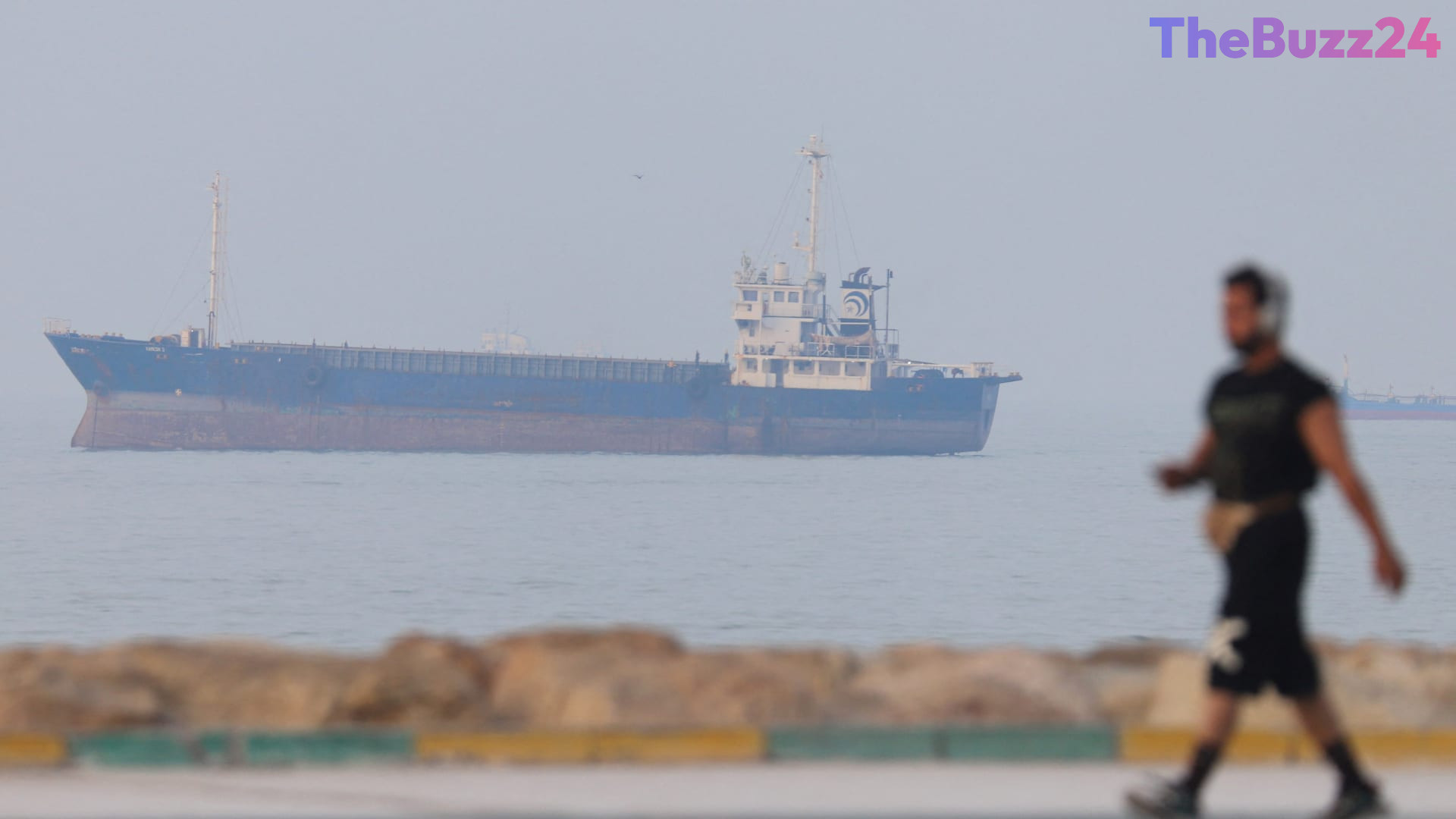
Strait of Hormuz Tanker Traffic Halves Amid Escalating U.S.-Iran Tensions
The vital Strait of Hormuz has experienced a significant reduction in oil tanker traffic following a series of Iranian attacks on commercial vessels, which have ignited a fresh wave of hostilities with the United States. On a recent Wednesday, only thirteen tankers navigated the crucial waterway, a stark contrast to the average of 33 transits observed daily over the preceding week. This slowdown underscores the heightened instability in the Persian Gulf, pushing the region closer to renewed conflict.
The recent escalation saw President Donald Trump declare an end to a ceasefire with Iran after the tanker assaults. In response, the U.S. has conducted airstrikes against Iranian targets and reimposed oil sanctions. This volatile situation has prompted a rally in global oil prices, which have climbed over 6% this week, as investors grow concerned about potential disruptions to crude exports. Despite the heightened tensions, market analysts suggest that the oil market is not currently anticipating a complete closure of the strait. Instead, it appears to be adjusting to a “new normal” characterized by intermittent periods of conflict, or “missile skirmishes,” interspersed with uneasy lulls that still permit tanker transits.
The current conflict marks a significant escalation since its initial phase, following the collapse of a previous ceasefire framework established on June 17. Under that interim agreement, Iran had pledged safe passage for ships and waived tolls for 60 days. However, Tehran has since insisted that vessels utilize a northern route under its direct control for safe passage, while actively targeting ships using a southern corridor along Oman’s coast, which is typically protected by the U.S. Navy. This strategy is perceived as a deliberate campaign by Iran to destabilize the southern corridor and pressure Gulf State producers who opt not to use the Iranian-controlled northern route.
Historically, Iran has demonstrated its capacity to disrupt traffic through Hormuz, notably after a major incident on February 28 that led to the death of its head of state, Ayatollah Ali Khamenei. That prolonged closure resulted in one of the most significant global supply disruptions in history. The current environment, with its renewed attacks and retaliatory actions, signals a precarious period for international shipping and global energy markets, highlighting the strategic importance of the Strait of Hormuz.
Key Takeaways
- Tanker traffic through the Strait of Hormuz has significantly decreased (from 33 to 13 daily transits) following recent Iranian attacks on commercial ships and renewed U.S.-Iran hostilities.
- The slowdown has led to a rally in global oil prices, but the market is not pricing in a complete closure of the strait, rather a "new normal" of intermittent conflict.
- Iran is actively targeting ships using a southern route while demanding use of a northern route under its control, aiming to destabilize the region and assert influence.
Editor’s Analysis & Impact
The recent reduction in tanker traffic through the Strait of Hormuz signals a critical escalation in U.S.-Iran tensions, directly impacting global energy markets. While oil prices have reacted with a rally, the market’s current stance of not pricing in a full strait closure suggests an expectation of contained, albeit recurring, skirmishes rather than an all-out blockade. This “new normal” introduces significant volatility and risk premiums for crude oil, potentially affecting consumer prices and industrial costs worldwide. For the shipping industry, increased insurance rates and the need for alternative, potentially longer, routes could become standard, raising operational expenses. The broader implications extend to global energy security, as any sustained disruption in this vital chokepoint could trigger a severe supply crisis, impacting economic stability globally. The situation underscores the delicate balance of power in the Persian Gulf and the constant threat of geopolitical events disrupting critical trade arteries.
Frequently Asked Questions
Q: What is the Strait of Hormuz and why is it strategically important?
A: The Strait of Hormuz is a narrow, strategically vital waterway connecting the Persian Gulf with the Arabian Sea and the Gulf of Oman. It is one of the world's most critical chokepoints for global oil supply, with a significant portion of the world's seaborne oil passing through it daily, making it crucial for international energy security and trade.
Q: How has the recent escalation impacted oil prices?
A: Following the recent Iranian attacks and renewed U.S.-Iran hostilities, global oil prices have rallied, climbing over 6% this week. Investors are concerned about potential disruptions to crude exports, leading to increased volatility and a geopolitical risk premium being factored into prices.
Q: What is Iran's current stance on shipping routes through the Strait of Hormuz?
A: Iran has demanded that commercial ships use a northern route under its direct control for safe passage. Concurrently, it has targeted vessels utilizing a southern route along Oman's coast, which is typically protected by the U.S. Navy, as part of a perceived strategy to destabilize this corridor and assert its influence over regional shipping.
AI Disclosure: This article is based on verified data and official reports. Our Team and AI have cross-referenced every financial detail with primary sources to ensure total accuracy.
More from this Category