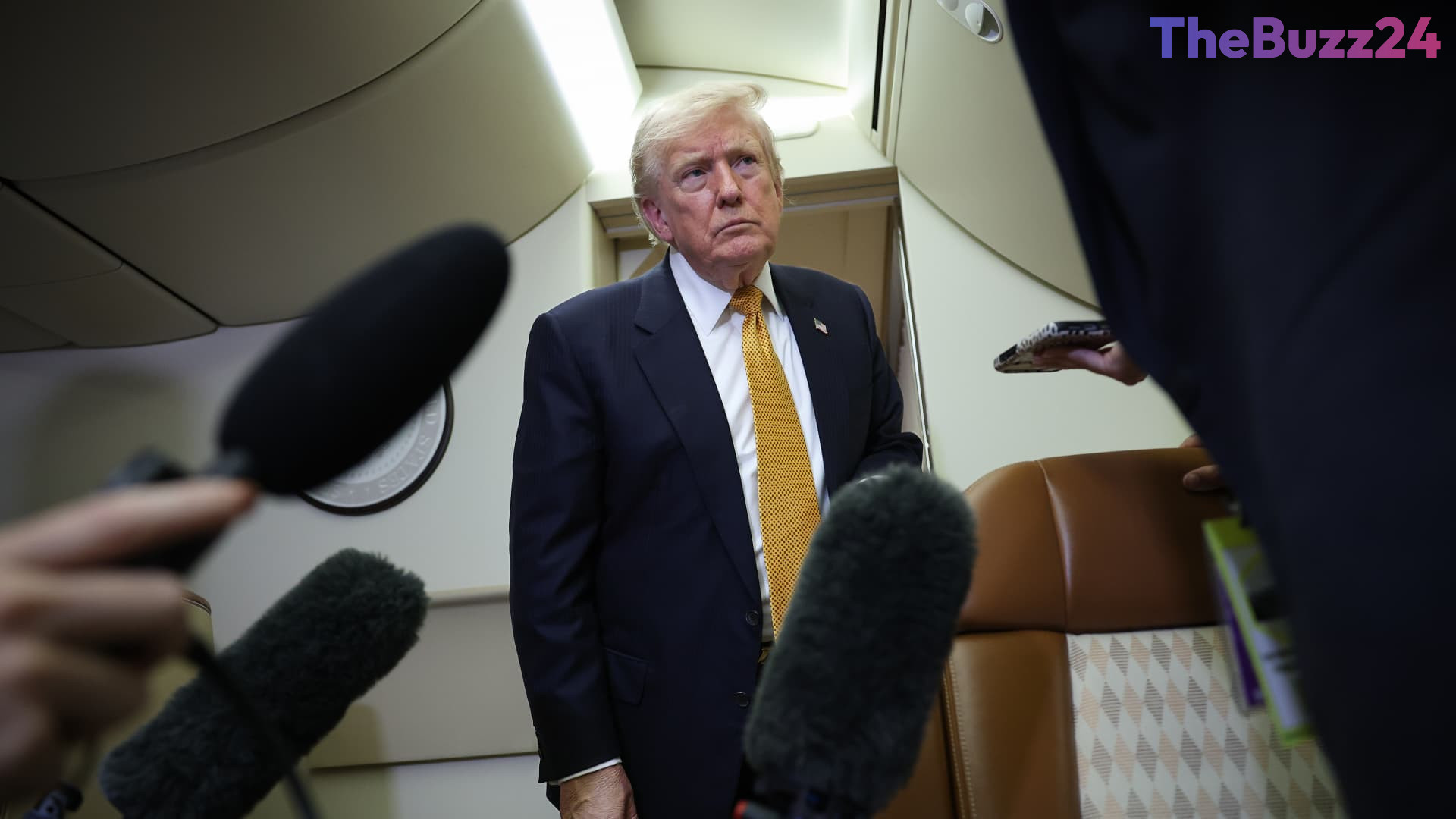
Tensions Escalate: Trump Questions Future of Iran Ceasefire Following Military Strikes
The fragile peace between the United States and Iran appears to be fracturing as military hostilities resume in the Middle East. Following a series of aggressive U.S. strikes targeting Iranian military infrastructure, President Donald Trump has cast doubt on the viability of a previously established memorandum of understanding, suggesting that the diplomatic path to ending the conflict may have reached a dead end.
Speaking to reporters while departing the United Kingdom, the President characterized the recent military engagements as a decisive response to Iranian provocations. U.S. Central Command confirmed that approximately 170 targets were struck to protect commercial shipping lanes in the Strait of Hormuz, a critical artery for global energy supplies. Despite these actions, the President noted that Iran has expressed a desire to negotiate, though he remains skeptical regarding their willingness to honor any long-term commitments.
Global markets have reacted to the renewed instability, with oil prices hovering above $78 per barrel for Brent crude. The uncertainty surrounding the Strait of Hormuz continues to fuel concerns regarding energy costs and broader economic inflation. While the U.S. maintains that its military posture is one of necessary retaliation, the Iranian Foreign Ministry has condemned the strikes as a direct violation of recent agreements, vowing to defend its national sovereignty against further aggression.
Key Takeaways
- President Trump has questioned the status of the recent ceasefire, suggesting that diplomatic efforts with Iran may be effectively over.
- U.S. forces conducted extensive strikes against 170 Iranian military targets in response to threats against commercial shipping in the Strait of Hormuz.
- Global oil prices remain sensitive to the conflict, with Brent crude holding above $78 per barrel amid fears of supply chain disruptions.
Editor’s Analysis & Impact
The resurgence of direct military conflict between the U.S. and Iran signals a significant setback for regional stability. From a market perspective, the Strait of Hormuz remains a critical ‘chokepoint’ for global energy; any sustained escalation here will inevitably exert upward pressure on oil prices, complicating the inflation outlook for central banks worldwide. The breakdown of the memorandum of understanding suggests that diplomatic trust has evaporated, making a return to the negotiating table increasingly difficult. Future implications include a potential shift in global energy trade routes and heightened geopolitical risk premiums. Investors should anticipate continued volatility in energy stocks and commodities as long as the status of the ceasefire remains in flux and military posturing continues to dominate the discourse.
Frequently Asked Questions
Q: Why did the U.S. conduct strikes against Iran?
A: The U.S. military launched strikes to degrade Iran's ability to threaten commercial shipping and civilian mariners within the Strait of Hormuz, a vital route for global oil transport.
Q: What is the current status of the U.S.-Iran ceasefire?
A: President Trump has expressed significant doubt regarding the ceasefire, stating that he views the deal as effectively over and questioning the value of further negotiations with the current Iranian leadership.
AI Disclosure: This article is based on verified data and official reports. Our Team and AI have cross-referenced every financial detail with primary sources to ensure total accuracy.
More from this Category