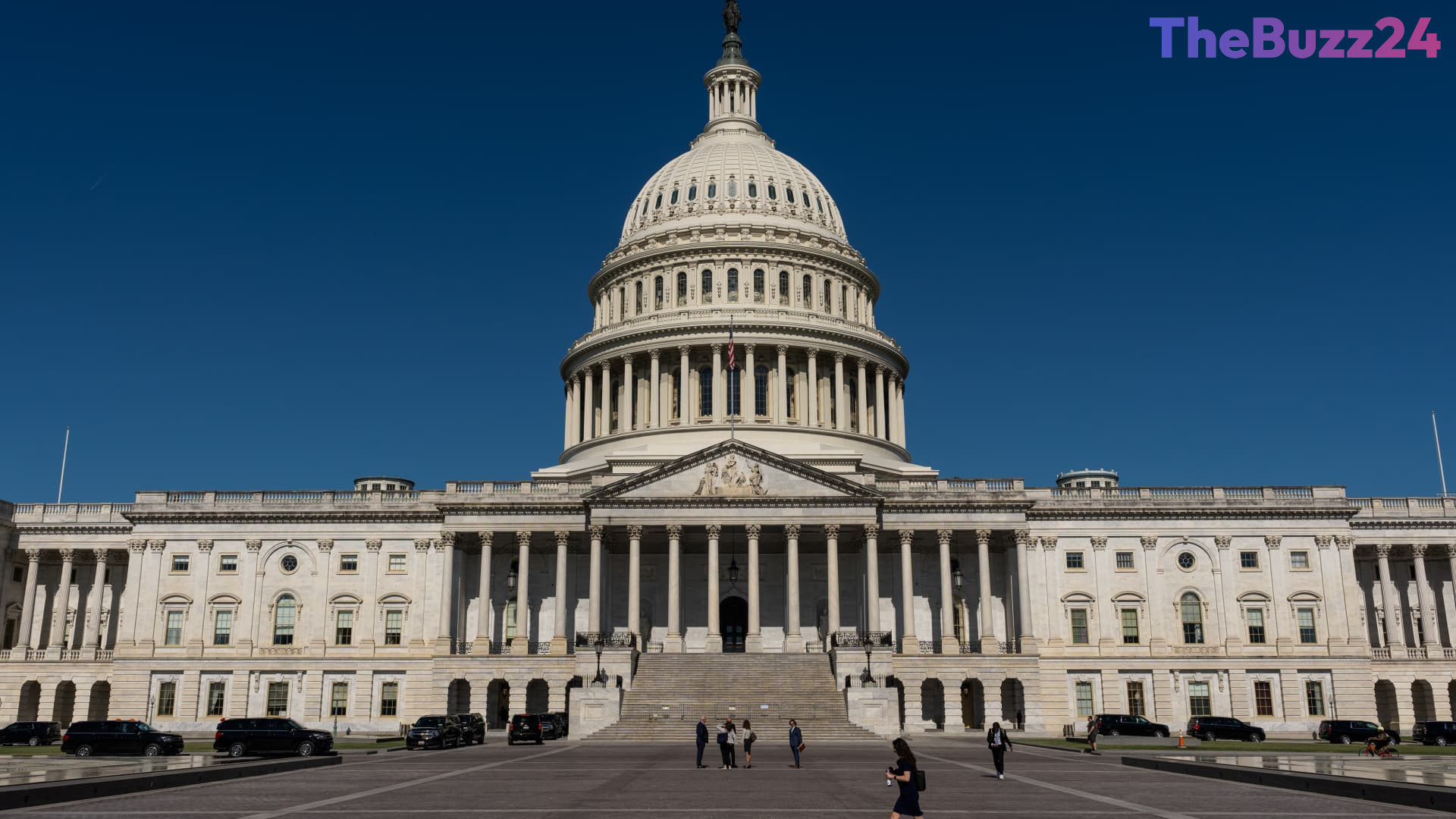
AI Industry Unleashes Political Spending Blitz to Shape Future Regulation
The burgeoning artificial intelligence sector is making a significant play in the political arena, with major AI super PACs collectively raising over $200 million to influence primary and general elections. This substantial financial commitment underscores the industry’s determination to shape forthcoming AI legislation in Congress, recognizing the critical juncture at which regulatory frameworks are being developed. Early spending figures reveal tens of millions already directed towards dozens of House and Senate candidates, many of whom have successfully won their primaries, signaling a potent new force in Washington’s influence landscape.
Leading the Future and Public First Action are two prominent PACs at the forefront of this political push. Leading the Future has reportedly raised $125 million and spent over $24 million on primary races, drawing support from notable figures like Andreessen Horowitz, OpenAI co-founder Greg Brockman, Palantir co-founder Joe Lonsdale, SV Angel founder Ron Conway, and AI software company Perplexity. Public First Action, which launched last year, has raised $80 million and spent $20 million, with a significant contribution from Anthropic earmarked for public education on AI policy. The strategy mirrors the successful playbook employed by crypto-backed PACs in previous elections, which saw a major stablecoin bill become law and progress on digital asset regulation.
While both groups advocate for a degree of AI regulation, their specific policy preferences exhibit nuanced differences. A key point of divergence lies in the debate over whether a single federal standard should preempt state laws concerning AI. Leading the Future generally supports a “broad, national, consistent framework,” though its actions, such as opposing an aggressive version of New York’s RAISE Act while supporting the final, modified law, illustrate the complexity of its stance. Public First Action, conversely, has shown more support for state laws, though its leadership acknowledges that a comprehensive federal approach could naturally include preemption. Lawmakers from both parties recognize the urgency of establishing guardrails for powerful AI models like Mythos and Claude Fable, even if consensus on the exact form of legislation remains elusive.
The strategic investment by AI companies into political campaigns highlights a proactive effort to guide the narrative and legislative outcomes surrounding this transformative technology. As discussions around AI’s benefits and dangers intensify, the industry is positioning itself to ensure that any regulatory measures foster innovation while addressing societal concerns, rather than stifling growth. This engagement is expected to continue as AI remains a top priority for policymakers in the coming years.
Key Takeaways
- AI super PACs have raised over $200 million and spent tens of millions to influence elections and shape future AI legislation.
- These PACs have demonstrated significant political influence, with a high success rate in backing primary candidates.
- While both major AI PACs advocate for regulation, their approaches differ, particularly on the preemption of state laws by federal standards.
Editor’s Analysis & Impact
The substantial political spending by the AI industry signals a critical shift, moving beyond technological development to proactive engagement in policy-making. This mirrors the trajectory of other powerful sectors and indicates a recognition of the significant regulatory risks and opportunities ahead. The success of AI-backed candidates suggests a growing ability to influence legislative outcomes, potentially leading to a regulatory environment more favorable to industry growth. This trend could accelerate the passage of AI-related laws, but also raises questions about the balance between industry influence and public interest in shaping foundational technology policies. The blueprint set by the crypto industry’s prior political successes underscores the potential for tangible legislative results.
Frequently Asked Questions
Q: What are AI super PACs?
A: AI super PACs are political action committees funded by artificial intelligence companies and executives. Their purpose is to spend unlimited amounts of money to influence elections and advocate for specific policy outcomes related to AI technology.
Q: What is the primary goal of AI companies spending on elections?
A: The main objective for AI companies investing in elections is to influence the development of AI legislation in Congress. They aim to ensure that future regulations are favorable to their industry's growth and innovation, while also addressing perceived risks in a manner that aligns with their interests.
Q: Do these AI PACs agree on the type of regulation needed?
A: While both major AI PACs support some form of AI regulation, they have nuanced differences in their approaches. A key point of contention is whether a single federal standard should preempt state-level laws, indicating varied strategies for navigating the complex regulatory landscape.
AI Disclosure: This article is based on verified data and official reports. Our Team and AI have cross-referenced every financial detail with primary sources to ensure total accuracy.
More from this Category