Federal Grand Jury Subpoenas Journalists Over Air Force One Security Leaks
Journalists from The New York Times have been served with subpoenas requiring them to testify before a federal grand jury regarding reports on security vulnerabilities associated with the presidential aircraft. The legal summonses, delivered directly to the reporters’ residences, are part of an ongoing federal investigation into the unauthorized disclosure of classified information concerning the new Air Force One jet.
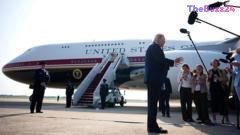
The controversy stems from reporting that suggested the aircraft, a Boeing 747-8 gifted by the Qatari government, lacked critical security features such as advanced anti-missile capabilities. According to the reports, the Secret Service advised the president to utilize an older aircraft for his return trip from a NATO summit in Turkey due to these identified security gaps. The government maintains that the investigation is focused on identifying the sources of these leaks rather than targeting the journalists themselves.
Legal representatives for the publication have condemned the move as an act of intimidation, arguing that it undermines the role of the press in holding the government accountable. While the Department of Justice acknowledges the importance of a free press, it maintains that it has a duty to protect national security by preventing the dissemination of classified details. The grand jury proceedings are expected to examine whether federal criminal laws were violated during the handling of the information regarding the $400 million aircraft.
Key Takeaways
- Federal authorities have subpoenaed journalists to testify before a grand jury regarding leaks about the security status of the new Air Force One.
- The investigation centers on reports that the Qatari-gifted Boeing 747-8 lacked necessary defensive upgrades, prompting the Secret Service to recommend using an older plane.
- The Department of Justice asserts the investigation targets the leakers of classified information, while media lawyers argue the subpoenas are an attempt to intimidate the press.
Editor’s Analysis & Impact
This situation highlights the perennial tension between national security protocols and the First Amendment protections afforded to the press. By subpoenaing journalists, the government is signaling a more aggressive stance toward the handling of classified information, which could have a chilling effect on investigative journalism regarding government operations. The case raises significant questions about the threshold for ‘public interest’ reporting versus the protection of sensitive state assets. If the government successfully compels testimony, it could set a legal precedent that makes it increasingly difficult for reporters to protect their sources, potentially altering the landscape of national security reporting. The broader implication is a shift toward tighter control over information flow, which may lead to increased friction between the executive branch and the media in the coming years.
Frequently Asked Questions
Q: Why are journalists being subpoenaed in this case?
A: The journalists are being summoned to testify before a federal grand jury as part of an investigation into the unauthorized leak of classified information regarding the security features of the presidential aircraft.
Q: What is the primary security concern regarding the new Air Force One?
A: Reports indicated that the new Boeing 747-8, a gift from Qatar, allegedly lacked advanced defensive systems, such as anti-missile capabilities, leading the Secret Service to advise against its use for certain official travel.
AI Disclosure: This article is based on verified data and official reports. Our Team and AI have cross-referenced every financial detail with primary sources to ensure total accuracy.
More from this Category