United Airlines Unveils ‘Empty Middle Seat’ Option on New Jets, Expanding Premium Offerings
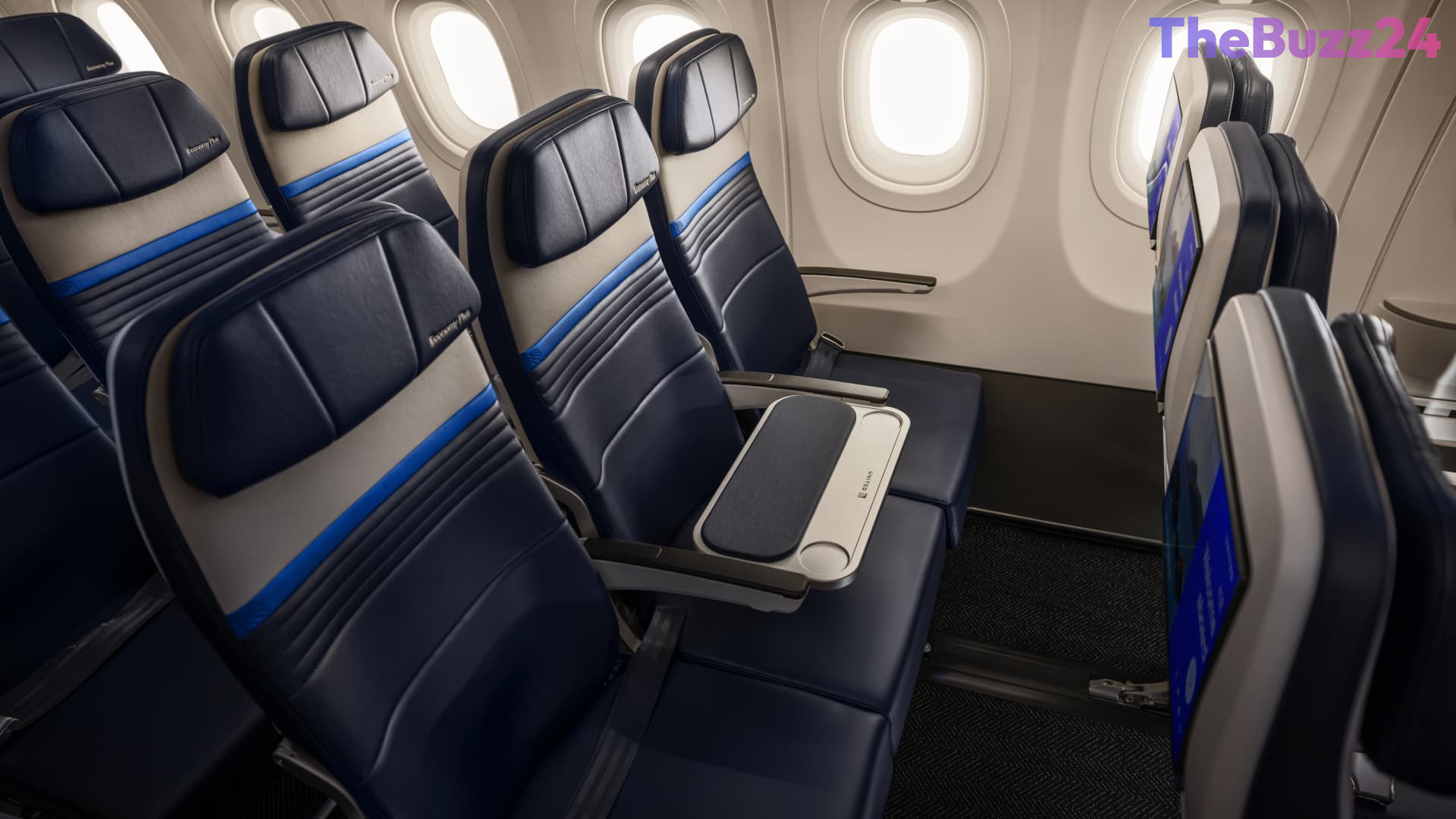
United Airlines is set to introduce a novel premium offering on its upcoming Airbus A321XLR long-range narrow-body aircraft: the option to purchase an empty middle seat. This new configuration, designed to provide enhanced comfort and space for passengers in adjacent aisle and window seats, will feature a dedicated tray table for shared use. Positioned within the extra legroom section of the cabin, this unique seating arrangement is expected to go on sale later this year, with pricing details yet to be announced. The carrier has indicated that this concept could potentially expand to other aircraft types in its fleet beyond the new A321XLRs.
This initiative by United reflects a growing trend within the airline industry to segment cabin offerings and introduce new revenue streams through “upselling” various amenities. Airlines are increasingly reconfiguring their aircraft from front to back, transforming services that were once standard inclusions into premium add-ons. The practice of reserving an empty middle seat for increased passenger comfort is already a common feature on some European airlines, where it is often marketed as a short-haul business class experience.
The empty middle seat option is just one of several strategies airlines are deploying to encourage customers to pay more for their travel experience. Recently, Delta Air Lines, for instance, adjusted its basic business-class and premium economy fares, removing perks like airport lounge access and seat selection that were previously part of the ticket. Similarly, United announced plans earlier this year to launch a “Relax Row” on some wide-body planes, allowing three economy seats to convert into a bed-like space. These moves underscore a broader industry shift towards expanding premium-class cabins, a segment that has shown greater resilience in spending and has even influenced new aircraft delivery schedules due to the complexity of elaborate seat designs.
Key Takeaways
- United Airlines will offer an "empty middle seat" option on its new Airbus A321XLRs, providing more space and a shared tray table for a premium price.
- This move is part of a broader airline industry trend to unbundle services and create new premium offerings to generate additional revenue.
- Other airlines like Delta and United itself (with "Relax Row") are also implementing similar strategies, indicating a shift towards more segmented and premium-focused cabin experiences.
Editor’s Analysis & Impact
United Airlines’ introduction of a paid “empty middle seat” option signifies a strategic pivot within the aviation industry towards maximizing ancillary revenue and catering to diverse passenger preferences. This trend, already prevalent in Europe, is likely to accelerate across global carriers, leading to further unbundling of services and the proliferation of niche premium offerings. The immediate impact will be increased revenue potential for airlines, allowing them to better monetize cabin space. For passengers, it means a more granular choice in their travel experience, albeit often at an additional cost for amenities once considered standard. The future outlook suggests a highly segmented market where airlines continuously innovate with premium products, potentially driving up average ticket prices for enhanced comfort while basic fares remain competitive. This strategy could also intensify competition in the premium travel segment, pushing airlines to differentiate through unique onboard experiences.
Frequently Asked Questions
Q: What is United Airlines' new 'empty middle seat' option?
A: It's a new premium offering on United's Airbus A321XLR aircraft where passengers can pay extra to ensure the middle seat next to them remains empty. This provides more personal space and includes a dedicated tray table for shared use.
Q: Why are airlines introducing these types of premium options?
A: Airlines are increasingly seeking to generate additional revenue by unbundling services and offering new premium features. This strategy caters to passengers willing to pay more for enhanced comfort, space, or amenities that were once standard inclusions.
Q: Is this practice common in the airline industry?
A: While becoming more prevalent, especially in Europe where it's often sold as short-haul business class, it represents a growing trend among major carriers like United and Delta to segment their cabins and offer more paid upgrades and specialized seating arrangements.
AI Disclosure: This article is based on verified data and official reports. Our Team and AI have cross-referenced every financial detail with primary sources to ensure total accuracy.
More from this Category